The Amazing Technology Behind Bagless Vacuum Cleaners: How They Really Work
Vacuum cleaners have become an indispensable part of modern households, evolving dramatically since their invention in the early 20th century. One of the most significant innovations in recent decades has been the development of bagless vacuum cleaners. These technological marvels have revolutionized home cleaning by offering powerful suction without the need for disposable bags. But how exactly do these ingenious machines work? Let's dive deep into the fascinating world of bagless vacuum cleaner technology and uncover the scientific principles that make them so effective.
The Evolution of Vacuum Cleaners: From Bags to Bagless
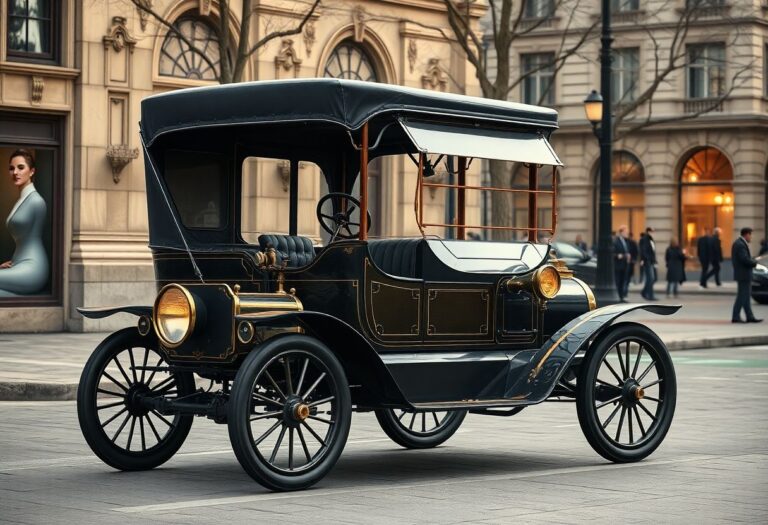
To truly appreciate the innovation of bagless vacuums, we must first understand their predecessors. The first electric vacuum cleaners, invented in the early 1900s, were relatively simple devices. They consisted of a brush and suction head at the front, a motor in the middle, and a bag at the back. When turned on, the motor would create suction, pulling in air and dirt and depositing them into the bag. This basic design remained largely unchanged for most of the 20th century.
However, bagged vacuums had inherent issues. As the bag filled up, suction power decreased, leading to inconsistent cleaning performance. Replacing bags was an ongoing expense for consumers and created unnecessary waste. Moreover, emptying bags could release dust back into the air, potentially triggering allergies or respiratory issues. It was also difficult for users to tell when the bag was full, often resulting in decreased efficiency without the user's knowledge.
The Bagless Revolution: Cyclonic Separation Technology
In the late 1980s, British engineer James Dyson set out to solve the problems associated with bagged vacuums. His solution was a bagless design that used cyclonic separation to remove dirt from the air. This innovation marked the beginning of a new era in vacuum cleaner technology.
Cyclonic separation is the key technology behind most bagless vacuum cleaners. This process utilizes centrifugal force to separate particles from an air stream. Here's a step-by-step breakdown of how it works:
-
Air Intake: The vacuum sucks in air and debris through the cleaning head.
-
Cyclone Creation: The air is forced into a cylindrical chamber, creating a fast-spinning vortex (essentially a miniature tornado).
-
Centrifugal Force: As the air spins, centrifugal force throws heavier particles (dust, dirt, debris) outwards towards the chamber walls.
-
Gravity Separation: These particles then fall to the bottom of the chamber into a collection bin.
-
Clean Air Exit: The now-cleaner air moves upwards and out of the cyclone, passing through filters before being expelled back into the room.
This ingenious process allows the vacuum to maintain consistent suction power, as there's no bag to fill up and restrict airflow. The result is a more efficient and powerful cleaning experience.
The Science Behind the Suction: Fluid Dynamics in Action
The effectiveness of a bagless vacuum cleaner relies on several scientific principles, primarily rooted in fluid dynamics. Understanding these principles helps us appreciate the engineering marvel that is the modern bagless vacuum.
Bernoulli's Principle
Named after Swiss mathematician Daniel Bernoulli, this principle is fundamental to understanding how vacuums create suction. Bernoulli's principle states that as the speed of a fluid (in this case, air) increases, its pressure decreases. In a vacuum cleaner, the motor creates a high-speed airflow, which results in a low-pressure area at the intake. This pressure difference between the inside of the vacuum and the surrounding air is what creates the suction effect, pulling in dirt and debris.
Centrifugal Force
In the cyclone chamber, centrifugal force is the key player in separating dirt particles from the air. As the air spins rapidly in the cyclone, particles are thrown outward due to this force. The magnitude of this force depends on the mass of the particle, the radius of its circular path, and the angular velocity of the cyclone. Heavier particles experience a greater centrifugal force, which is why they are more easily separated from the airstream.
Gravity
Once separated from the airflow by centrifugal force, gravity takes over to pull the dirt particles down into the collection bin. This simple yet effective use of gravity ensures that separated particles don't get recirculated into the airstream.
Fluid Dynamics and Airflow Design
The shape and design of the cyclone chamber are carefully engineered to create the most effective airflow patterns for dirt separation. Engineers use computational fluid dynamics (CFD) simulations to optimize the cyclone's geometry, ensuring maximum separation efficiency while minimizing energy loss.
Types of Bagless Vacuum Cleaners: A Closer Look
While all bagless vacuums use some form of cyclonic separation, there are variations in design that cater to different cleaning needs and preferences:
Single Cyclone Systems
These use one large cyclone to separate most of the dirt and debris. They're simpler in design and often less expensive, but may be less efficient at capturing very fine particles. Single cyclone systems are typically found in entry-level bagless vacuums.
Multi-Cyclone Systems
These vacuums use multiple smaller cyclones in addition to a larger one. The additional cyclones help capture finer particles, improving overall filtration. Multi-cyclone systems can often separate particles down to 0.5 microns in size, making them highly effective at removing allergens and fine dust.
Dual Cyclone Systems
A variation that uses two main cyclones, often with one optimized for larger particles and another for finer dust. This design aims to balance efficiency and thoroughness in cleaning.
Cinetic Technology
Some advanced bagless vacuums, like certain Dyson models, use what's called "Cinetic technology." This system uses flexible tips on the cyclones that oscillate at high frequencies, preventing dust from clogging the cyclones and eliminating the need for filter washing.
The Anatomy of a Bagless Vacuum Cleaner: A Technological Marvel
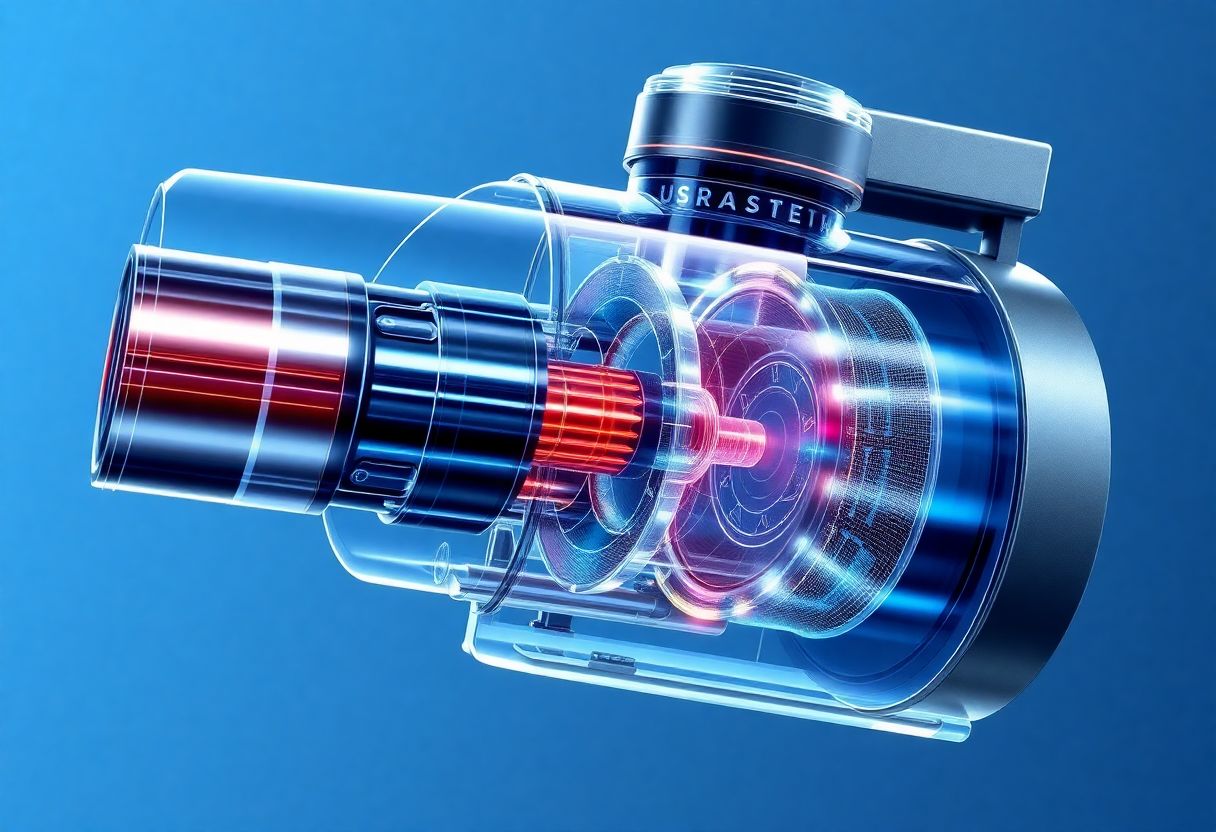
To fully appreciate how bagless vacuums work, let's break down their main components:
-
Suction Head: This is where dirt and debris enter the vacuum. It often includes rotating brushes to agitate carpet fibers and loosen dirt. Some advanced models use "direct-drive" technology, where the brush bar is powered by its own electric motor for more effective agitation.
-
Airflow Pathway: A series of tubes and channels that guide the air-dust mixture through the vacuum. These are designed to minimize turbulence and maintain airflow speed.
-
Cyclone Chamber: The heart of the bagless system, where the cyclonic separation occurs. In multi-cyclone systems, this can consist of several chambers of varying sizes.
-
Collection Bin: A clear plastic container that collects the separated dirt and debris. These are typically designed for easy removal and emptying.
-
Filters: These trap any remaining fine particles before the air is expelled. Many modern vacuums use HEPA (High-Efficiency Particulate Air) filters, which can remove 99.97% of particles as small as 0.3 microns.
-
Motor: Provides the suction power that drives the entire system. Modern vacuums often use high-speed digital motors that can spin at up to 125,000 RPM, generating powerful suction.
-
Exhaust: Where the cleaned air exits the vacuum. In well-designed systems, this air should be cleaner than the ambient air in the room.
Advantages of Bagless Vacuum Cleaners: Why They've Become So Popular
Bagless vacuums have several advantages over their bagged counterparts, which explain their growing popularity:
-
Consistent Suction: As there's no bag to fill up, suction power remains more consistent throughout the cleaning process. This results in more efficient cleaning, especially over larger areas.
-
Cost-Effective: The elimination of replacement bags represents a significant cost saving over the life of the vacuum. While bagless vacuums may have a higher upfront cost, they often prove more economical in the long run.
-
Environmentally Friendly: By eliminating the need for disposable bags, bagless vacuums significantly reduce waste. This aligns well with growing environmental consciousness among consumers.
-
Visible Results: Clear collection bins allow users to see how much dirt they've collected, which can be both satisfying and informative. It allows users to gauge when areas need more thorough cleaning.
-
Easy Emptying: Most models have easy-to-empty bins that can be detached with the push of a button. This makes maintenance simpler and less messy than dealing with vacuum bags.
-
Improved Filtration: Many bagless models incorporate advanced filtration systems, including HEPA filters, which can be particularly beneficial for allergy sufferers.
Challenges and Considerations: The Other Side of the Coin
While bagless vacuums offer many benefits, they're not without challenges:
-
Filter Maintenance: Filters need regular cleaning or replacement to maintain efficiency. This can be more hands-on than simply replacing a bag.
-
Dust Exposure: Emptying the bin can release some dust back into the air, which can be problematic for allergy sufferers. Some models address this with sealed systems or bottom-empty designs.
-
Noise: Some models can be louder than traditional vacuums due to the high-speed cyclonic action. However, advances in motor technology and sound insulation are addressing this issue.
-
Complexity: More intricate designs can mean more potential points of failure. This can lead to higher repair costs if problems occur outside of warranty.
-
Initial Cost: High-end bagless vacuums can be more expensive upfront, though this cost is often offset by long-term savings on bags.
Innovations in Bagless Technology: The Cutting Edge of Clean
Vacuum cleaner technology continues to evolve, with manufacturers constantly pushing the boundaries of what's possible. Some recent innovations include:
-
Improved Filtration: Advanced HEPA filters that capture allergens and microscopic particles as small as 0.1 microns. Some systems now incorporate activated carbon filters to absorb odors as well.
-
Smart Technology: Some models now include sensors to detect dirt levels and adjust suction accordingly. This optimizes cleaning performance and energy efficiency.
-
Cordless Designs: Battery-powered bagless vacuums offer greater mobility. Advances in battery technology have increased run times and reduced charging times.
-
Robotic Vacuums: Autonomous cleaning devices that use bagless technology, often incorporating mapping capabilities and smartphone control.
-
Self-Cleaning Brush Rolls: Some models now feature brush rolls that actively remove hair and fibers, reducing maintenance needs.
-
Laser-Guided Cleaning: High-end models are beginning to incorporate laser technology to illuminate dust particles, ensuring no dirt is missed.
The Future of Bagless Vacuum Cleaners: What's Next?
As technology advances, we can expect to see further improvements in bagless vacuum cleaners:
-
Enhanced Energy Efficiency: Future models will likely offer even more powerful suction with less energy consumption, thanks to advancements in motor technology and airflow design.
-
Improved Filtration: We may see the development of new filter materials and designs that capture even smaller particles while requiring less frequent cleaning.
-
Smart Home Integration: Vacuums that can be controlled via smartphone apps or voice assistants will become more common, potentially integrating with other smart home systems for automated cleaning schedules.
-
Self-Cleaning Mechanisms: Future vacuums might incorporate systems that automatically clean filters and empty collection bins, further reducing maintenance needs.
-
Advanced Materials: The use of new, lightweight yet durable materials could make vacuums more portable and long-lasting.
-
Artificial Intelligence: AI could be integrated to learn user habits and optimize cleaning patterns, or to identify different types of debris and adjust cleaning modes accordingly.
Maintaining Your Bagless Vacuum Cleaner: Ensuring Peak Performance
To keep your bagless vacuum working efficiently:
-
Empty the Bin Regularly: Don't let it get too full, as this can reduce efficiency. Most manufacturers recommend emptying when the bin is 2/3 to 3/4 full.
-
Clean or Replace Filters: Follow manufacturer guidelines for filter maintenance. HEPA filters typically need replacement every 6-12 months, while other filters may require regular washing.
-
Check for Blockages: Regularly inspect and clear any clogs in the airflow pathway. Pay special attention to the hose and brush roll area.
-
Clean the Brushes: Remove hair and fibers that can get tangled in the rotating brushes. Many models have easily removable brush rolls for this purpose.
-
Wipe Down the Cyclone Chamber: Occasionally clean the inside of the cyclone to prevent buildup. A dry microfiber cloth is usually sufficient for this task.
-
Inspect Seals and Gaskets: Ensure all seals are intact to maintain proper suction. Replace any damaged seals promptly.
Conclusion: The Bagless Revolution Continues
Bagless vacuum cleaners represent a significant leap forward in home cleaning technology. By harnessing the power of cyclonic separation and advanced filtration, these devices offer efficient, cost-effective, and environmentally friendly cleaning solutions. While they come with their own set of challenges, ongoing innovations continue to address these issues and improve performance.
As we look to the future, bagless vacuum technology will likely continue to evolve, incorporating new materials, smarter sensors, and more efficient designs. The integration of AI and IoT technologies promises to make these devices even more intelligent and user-friendly.
Understanding the science and engineering behind bagless vacuums not only helps us appreciate these technological marvels but also enables us to use and maintain them more effectively. As consumers become more environmentally conscious and demand smarter, more efficient appliances, bagless vacuums are well-positioned to meet these needs.
Whether you're considering purchasing a bagless vacuum or simply curious about how they work, the technology behind these devices is a testament to human ingenuity and our constant drive to improve everyday tasks. As we continue to innovate, the humble vacuum cleaner remains at the forefront of household technology, quietly revolutionizing the way we keep our living spaces clean and healthy.