The Fascinating Science Behind Vacuum Flasks: Keeping Hot Things Hot and Cold Things Cold
Have you ever marveled at how a simple container can keep your coffee steaming hot for hours or your water ice-cold on a sweltering day? The secret lies in the ingenious design of the vacuum flask, commonly known as a thermos. This article delves into the captivating world of vacuum flasks, exploring their history, the intricate science behind their functionality, and how they've become an indispensable part of our daily lives.
Unraveling the Mystery: What Exactly is a Vacuum Flask?
A vacuum flask, or thermos, is a marvel of thermal engineering designed to maintain the temperature of its contents for extended periods. Whether you're aiming to keep your beverage piping hot or refreshingly cold, a vacuum flask can preserve the desired temperature far longer than any conventional container. But what's the science behind this seemingly magical ability?
The Three Pillars of Heat Transfer
To comprehend the inner workings of a thermos, we must first understand the three primary mechanisms of heat transfer:
-
Conduction: This occurs when heat moves through direct contact between substances. Imagine touching a hot stove – the heat transfers directly from the stove to your hand through conduction.
-
Convection: This involves heat transfer through the movement of fluids or gases. When you feel a warm breeze on a sunny day, you're experiencing convection as heated air rises and circulates.
-
Radiation: This is the transfer of heat through electromagnetic waves, requiring no medium. The warmth you feel from sitting near a fireplace is primarily due to radiation.
In our everyday environment, these three processes work in concert to equalize temperatures. For instance, when you leave a hot cup of coffee on a table, it gradually cools due to conduction through the cup to the table, convection as warm air rises from the coffee's surface, and radiation of heat into the surrounding space.
The brilliance of a vacuum flask lies in its ability to combat all three of these heat transfer methods simultaneously, creating a formidable barrier against temperature change.
Dissecting the Vacuum Flask: A Closer Look at Its Components
To truly appreciate the ingenuity of a vacuum flask, let's examine its key components:
-
Outer shell: Typically crafted from durable plastic or metal, this layer provides structural integrity and ease of handling.
-
Inner container: Usually made of high-quality stainless steel or borosilicate glass, this is where your beverage or food is stored.
-
Vacuum layer: The space between the outer shell and inner container is evacuated of air, creating a near-perfect vacuum.
-
Reflective coating: A layer of silvering or metallic material is applied to the exterior of the inner container.
-
Stopper: A tight-fitting cap seals the contents, often incorporating additional insulating materials.
Each of these elements plays a crucial role in the thermos's remarkable insulating properties.
The Science in Action: How a Vacuum Flask Combats Heat Transfer
Now, let's explore how each component of the vacuum flask works in harmony to maintain temperature:
-
Conquering Conduction:
The vacuum layer serves as the primary defense against conduction. In a typical vacuum flask, this space contains less than 0.00001% of the air present at normal atmospheric pressure. With virtually no molecules in this void, there's no medium for heat to conduct through. It's akin to trying to play a game of telephone with no participants in the middle – the message (or in this case, heat) simply can't traverse the gap. -
Vanquishing Convection:
The sealed nature of the flask, coupled with the vacuum layer, eliminates the possibility of convection currents. Without any fluid or gas to circulate, heat cannot be transferred via this method. This is why vacuum flasks are significantly more effective than simple air-filled insulated containers. -
Reflecting Radiation:
The reflective coating on the inner container acts like a mirror for infrared radiation. This layer, often made of silver or aluminum, can reflect up to 95% of radiant heat. Any heat attempting to escape (or enter) through radiation is simply bounced back, further enhancing the flask's insulating capabilities. -
The Final Defense – The Stopper:
The tight-fitting stopper minimizes heat loss through the opening, which would otherwise be the weak point in the flask's thermal armor. Many modern designs incorporate additional insulating materials in the stopper to further reduce heat transfer.
From Laboratory to Lunchbox: A Brief History of the Vacuum Flask
The vacuum flask's journey from scientific instrument to household staple is a fascinating tale of accidental innovation. Its story begins in the late 19th century with Sir James Dewar, a prominent Scottish physicist and chemist. Dewar invented the vacuum flask in 1892 as a storage container for cryogenic materials in his laboratory, particularly for storing liquid gases like oxygen and nitrogen at extremely low temperatures.
Dewar's original design consisted of two glass flasks, one inside the other, with the air between them removed to create a vacuum. The inside of the outer flask was silvered to reduce heat transfer by radiation. This "Dewar flask" was a breakthrough in cryogenics research, allowing scientists to store liquefied gases for much longer periods.
However, Dewar never patented his invention, focusing instead on its scientific applications. It was Reinhold Burger, a German glassblower, who recognized the commercial potential of Dewar's design. Burger, along with Albert Aschenbrenner, made several improvements to the original design and founded the Thermos company in 1904, giving birth to the household name we know today.
The first commercial thermos bottles were fragile due to their all-glass construction. Over time, manufacturers introduced more durable materials like steel and plastic, making vacuum flasks practical for everyday use. By the mid-20th century, the thermos had become a common item in households worldwide, used for everything from keeping coffee hot to storing baby formula at the right temperature.
The Thermodynamics of Your Daily Brew: A Day in the Life of Your Coffee
To truly appreciate the effectiveness of a vacuum flask, let's follow the journey of a cup of coffee from the moment it's poured into a thermos:
-
You pour your freshly brewed, 90°C (194°F) coffee into the thermos.
-
The inner container quickly reaches the temperature of the coffee due to conduction. However, this heat transfer is limited to the inner container thanks to the vacuum layer.
-
Heat attempts to escape through conduction, but the vacuum layer presents an almost insurmountable barrier. With only about 0.00001% of the air molecules present compared to normal atmospheric conditions, there's virtually no medium for heat to conduct through.
-
Any heat that manages to radiate from the inner container is reflected back by the silvered surface. Modern vacuum flasks can reflect up to 95% of radiant heat, significantly slowing the cooling process.
-
The tight stopper prevents any significant heat loss through the opening. Many modern stoppers incorporate additional insulating materials to further minimize heat transfer.
-
Hours later, when you open your thermos, you find your coffee still delightfully hot. In a high-quality vacuum flask, the temperature drop can be as little as 4-6°C over an 8-hour period, depending on the initial temperature and external conditions.
This remarkable temperature retention is why vacuum flasks have become indispensable for outdoor enthusiasts, commuters, and anyone who wants to enjoy their beverage at the right temperature hours after preparation.
Beyond Beverages: The Versatile Applications of Vacuum Flask Technology
While we commonly associate vacuum flasks with keeping our drinks hot or cold, the technology has found applications far beyond our kitchen and picnic needs. The principle of vacuum insulation has been adapted for various scientific, medical, and industrial uses:
-
Scientific Research:
- Storing cryogenic materials: Liquid nitrogen, for instance, can be stored at -196°C (-320.8°F) in specially designed Dewar flasks for extended periods.
- Maintaining precise temperatures: Vacuum-insulated containers are crucial for experiments that require stable temperatures, such as in calorimetry or certain chemical reactions.
-
Medical Field:
- Transporting temperature-sensitive medications and vaccines: Vaccines often require storage between 2°C and 8°C (35.6°F to 46.4°F), and vacuum-insulated containers help maintain this range during transport.
- Storing biological samples: Cryogenic storage of biological materials like stem cells or reproductive cells relies on vacuum insulation technology.
-
Space Exploration:
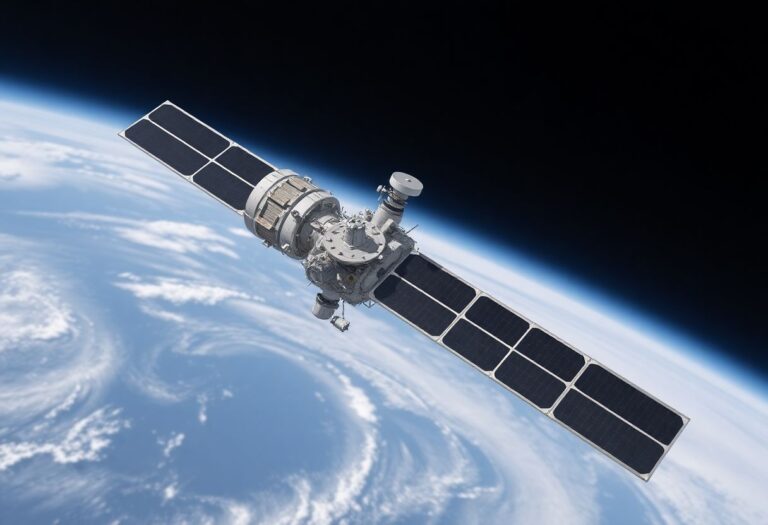
- Insulating spacecraft components: Vacuum insulation is used to protect sensitive equipment from the extreme temperature fluctuations in space, where temperatures can range from -157°C to 121°C (-250.6°F to 249.8°F) in low Earth orbit.
-
Industrial Applications:
- Maintaining temperatures in chemical processes: Large-scale vacuum-insulated vessels are used in industries where temperature control is critical, such as in the production of liquid oxygen or nitrogen.
- Storing and transporting liquefied gases: Industries that use liquefied natural gas (LNG) rely on vacuum-insulated tanks for storage and transportation at -162°C (-259.6°F).
The Eco-Friendly Aspect of Vacuum Flasks: A Small Step Towards Sustainability
In our increasingly environmentally conscious world, vacuum flasks offer more than just convenience. They represent a small but significant step towards reducing our environmental footprint:
-
Reduced Single-Use Plastic: By using a reusable vacuum flask, you're cutting down on disposable cups and bottles. A single person using a reusable bottle or flask instead of disposable plastic bottles can prevent hundreds of plastic bottles from entering landfills each year.
-
Energy Conservation: Keeping beverages at the desired temperature without requiring additional heating or cooling saves energy. For instance, if you're bringing hot coffee to work in a vacuum flask instead of reheating it in an electric kettle or microwave, you're saving electricity with each use.
-
Longevity: A well-made vacuum flask can last for years, reducing waste from frequently replaced containers. Some high-quality vacuum flasks come with lifetime warranties, emphasizing their durability.
-
Reduced Food Waste: By keeping food at safe temperatures for longer periods, vacuum flasks can help reduce food waste, particularly for those who pack lunches or travel frequently.
Debunking Common Misconceptions About Vacuum Flasks
Despite their widespread use, there are several misconceptions about how vacuum flasks work. Let's clear up some of these myths:
-
"Vacuum flasks actively cool or heat their contents":
This is false. Vacuum flasks are passive devices that maintain temperature by preventing heat transfer. They don't have any mechanism to actively cool or heat the contents. -
"The vacuum is solely responsible for insulation":
This is only partly true. While the vacuum layer is crucial for preventing conduction and convection, the reflective coating is equally important for preventing heat transfer through radiation. -
"Vacuum flasks work indefinitely":
Unfortunately, this isn't true. Over time, the vacuum can degrade due to tiny amounts of gas permeating through the walls or small cracks developing. This gradually reduces the flask's effectiveness. -
"Vacuum flasks are equally good at keeping things hot and cold":
While vacuum flasks are effective for both hot and cold items, they're slightly more efficient at keeping hot things hot. This is because the rate of heat loss increases as the temperature difference between the contents and the environment grows larger.
Maximizing Your Vacuum Flask's Efficiency: Tips and Tricks
To get the most out of your thermos, consider these practical tips:
-
Preheat or pre-chill: Rinse the flask with hot water for hot drinks or cold water for cold drinks before use. This primes the inner container to the desired temperature range, improving overall performance.
-
Fill it up: A full flask maintains temperature better than a partially filled one. This is because there's less air space inside, reducing the potential for convection currents within the flask.
-
Keep it closed: Minimize opening the flask to preserve temperature. Each time you open it, you're allowing heat transfer with the external environment.
-
Clean regularly: Proper maintenance ensures longevity and hygiene. Use a bottle brush and mild detergent, and make sure to dry thoroughly to prevent any mold growth.
-
Store properly: When not in use, store your vacuum flask with the lid off to prevent any odors from developing and to allow it to dry completely.
The Future of Vacuum Flask Technology: Innovations on the Horizon
While the basic principle of vacuum insulation remains unchanged, vacuum flask technology continues to evolve:
-
Smart Flasks: Some modern flasks come equipped with temperature displays and even heating elements. These "smart" flasks can maintain a specific temperature for extended periods, ideal for applications where precise temperature control is crucial.
-
Advanced Materials: Research into new insulating materials could lead to even more efficient flasks. For instance, aerogels, which are ultralight materials with excellent insulating properties, could potentially enhance vacuum flask performance.
-
Customization: 3D printing technology might allow for personalized flask designs in the future, optimizing shape and insulation for specific uses.
-
Nanocoatings: Development of advanced nanocoatings could improve the reflective properties of the inner container, further reducing heat transfer through radiation.
-
Self-cleaning Technologies: Integration of UV-C light or other sterilizing technologies could lead to self-cleaning vacuum flasks, addressing hygiene concerns particularly in medical and scientific applications.
Conclusion: The Enduring Legacy of the Vacuum Flask
From its humble beginnings in Sir James Dewar's 19th-century laboratory to becoming a staple in households worldwide, the vacuum flask stands as a testament to the enduring power of good design. Its ability to keep hot things hot and cold things cold, seemingly defying the laws of thermodynamics, continues to fascinate and serve us daily.
The vacuum flask is a perfect example of how understanding and manipulating the fundamental laws of physics can lead to practical, everyday applications that improve our lives. It embodies the principles of thermodynamics in a tangible, useful form, making it an excellent tool for science education as well as daily convenience.
As we face global challenges like climate change and resource conservation, the humble vacuum flask reminds us that small, thoughtful changes in our daily habits can contribute to larger positive impacts. By reducing our reliance on single-use containers and minimizing energy waste, vacuum flasks play a small but meaningful role in our journey towards sustainability.
The next time you sip a perfectly temperature-maintained beverage from your thermos, take a moment to appreciate the elegant science working quietly behind the scenes. In its own small way, your vacuum flask is battling the fundamental forces of physics, just to ensure you enjoy your drink exactly the way you like it.
Whether you're a camping enthusiast, a busy professional, or simply someone who appreciates a well-maintained cup of coffee, the vacuum flask remains a reliable companion. It's a beautiful blend of science and practicality, a daily reminder that with a bit of ingenuity, we can bend the rules of nature to our convenience – one sip at a time. As we look to the future, it's exciting to imagine how this technology might evolve, continuing to keep our beverages just right while potentially finding new applications in science, medicine, and beyond.