The Fascinating World of Piezoelectric Crystals: Harnessing Energy Through Pressure
Imagine a world where the very act of walking could generate electricity, or where your heartbeat could power a medical device inside your body. This isn't science fiction—it's the remarkable reality of piezoelectric crystals. In this comprehensive guide, we'll explore the intriguing phenomenon of piezoelectricity, its applications, and the potential it holds for our future.
Understanding Piezoelectricity: The Basics
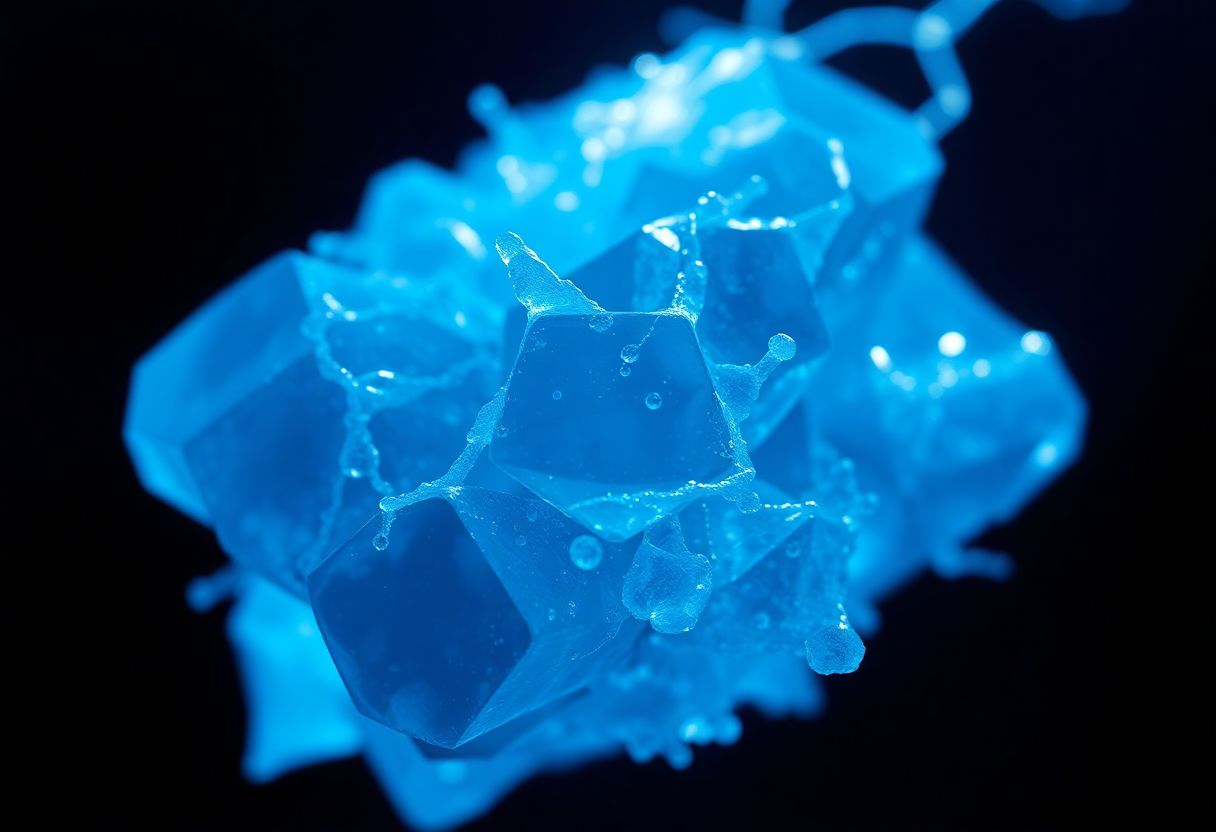
At its core, piezoelectricity is a unique property of certain materials that allows them to generate an electric charge in response to applied mechanical stress. The term "piezo" comes from the Greek word for "press" or "squeeze," which perfectly describes the process. When you apply pressure to a piezoelectric crystal, it produces electricity. Conversely, when you apply electricity to the crystal, it changes shape slightly. This two-way relationship between mechanical stress and electrical charge is what makes piezoelectric materials so versatile and valuable in numerous applications.
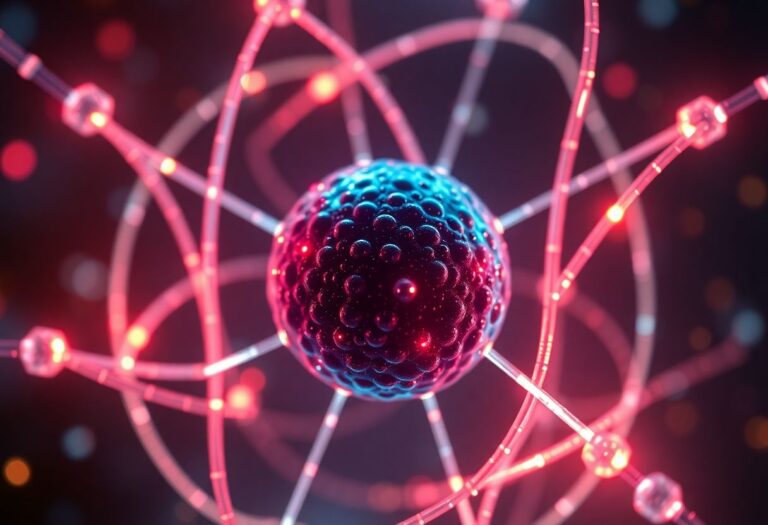
To understand piezoelectricity, we need to delve into the atomic structure of these special crystals. Imagine a crystal as a three-dimensional puzzle made up of countless tiny pieces (atoms) arranged in a specific pattern. In most crystals, these atomic "pieces" are arranged symmetrically. However, in piezoelectric crystals, the arrangement is asymmetrical. This asymmetry is key to their unique properties.
When you squeeze a piezoelectric crystal, the pressure disturbs the balance of electrical charges within the crystal. This disturbance causes a slight shift in the position of atoms, creating a net electrical charge across the crystal. This charge can be collected as usable electricity. It's like squeezing a sponge full of water—apply pressure, and out comes the electricity!
The Science Behind Piezoelectricity
To truly appreciate the marvel of piezoelectricity, we need to examine its underlying scientific principles. At the atomic level, piezoelectric materials possess a non-centrosymmetric crystal structure. This means that the positive and negative charges within the crystal lattice are not evenly distributed when the material is at rest. When mechanical stress is applied, it causes a deformation in the crystal structure, leading to a further separation of charges and the generation of an electric field.
The piezoelectric effect is governed by a set of constitutive equations that relate the electrical and mechanical properties of the material. These equations, first developed by brothers Pierre and Jacques Curie in the late 19th century, describe the linear relationship between the applied mechanical stress and the resulting electric field. The general form of these equations is:
D = dT + εE
S = sT + dE
Where:
D is the electric displacement
T is the mechanical stress
E is the electric field
S is the mechanical strain
d is the piezoelectric charge constant
ε is the permittivity
s is the elastic compliance
These equations highlight the coupling between the mechanical and electrical domains in piezoelectric materials, allowing us to predict and quantify their behavior under various conditions.
Common Piezoelectric Materials and Their Properties
While the concept might sound exotic, piezoelectric materials are more common than you might think. Some of the most widely used include:
-
Quartz (SiO2): One of the most abundant minerals on Earth, quartz exhibits excellent stability and a high quality factor, making it ideal for frequency control applications.
-
Tourmaline: A naturally occurring piezoelectric mineral with a complex chemical composition, tourmaline is known for its pyroelectric properties as well.
-
Barium Titanate (BaTiO3): This synthetic ceramic was one of the first piezoelectric materials to be developed and is still widely used due to its high dielectric constant.
-
Lead Zirconate Titanate (PZT): A ceramic material with exceptional piezoelectric properties, PZT is the most commonly used piezoelectric material in industrial and commercial applications.
-
Polyvinylidene Fluoride (PVDF): A flexible polymer with piezoelectric properties, PVDF is useful in applications requiring thin, conformable elements.
Each of these materials has unique properties that make them suitable for different applications. For instance, PZT has a high piezoelectric coefficient (d33 typically ranging from 300 to 600 pC/N), making it excellent for actuator applications. Quartz, on the other hand, has a much lower coefficient (d11 = 2.3 pC/N) but offers superior temperature stability, making it ideal for precision timing devices.
Piezoelectricity in Action: Real-World Applications
The versatility of piezoelectric materials has led to their use in a wide range of applications across various industries. Let's explore some of the most common and exciting uses:
1. Timekeeping and Frequency Control
Quartz watches rely on the precise oscillations of a tiny quartz crystal to keep accurate time. When an electric current is applied to the crystal, it vibrates at an exact frequency (typically 32,768 Hz), providing a reliable timekeeping mechanism. This principle is also used in computer clocks and other precision timing devices.
2. Sound and Vibration Technologies
In the realm of acoustics, piezoelectric materials play a crucial role. Microphones use piezoelectric crystals to convert sound waves into electrical signals. The reverse process is employed in speakers and buzzers to create sound from electrical signals. Ultrasound machines, widely used in medical imaging and industrial testing, rely on piezoelectric transducers to generate and detect high-frequency sound waves.
3. Sensors and Actuators
Piezoelectric materials are extensively used in various sensing and actuation applications. Pressure sensors found in touch screens, weighing scales, and industrial equipment often utilize the piezoelectric effect. Accelerometers, which are crucial components in smartphones, airbag deployment systems, and fitness trackers, frequently employ piezoelectric elements. In scientific instruments like atomic force microscopes, piezoelectric actuators provide precise positioning control at the nanoscale.
4. Energy Harvesting
One of the most promising areas for piezoelectric technology is in energy harvesting. Researchers are developing ways to convert ambient vibrations and mechanical energy into usable electricity. For example, experimental systems are being designed to generate electricity from the pressure of vehicles passing over piezoelectric materials embedded in roads. While the energy output from individual piezoelectric elements is typically small, the cumulative effect in large-scale applications could be significant.
5. Medical Applications
In the medical field, piezoelectric materials are finding increasingly sophisticated uses. Ultrasonic scalpels use piezoelectric elements to create high-frequency vibrations for precise cutting in surgical procedures. Piezoelectric materials are also being explored for powering implantable medical devices like pacemakers, potentially using the body's natural movements as an energy source.
The Future of Piezoelectricity: Emerging Technologies and Possibilities
As research in piezoelectric materials continues to advance, we're seeing exciting new possibilities emerge across various fields:
1. Wearable Technology
The integration of piezoelectric materials into textiles opens up a world of possibilities for smart clothing. Imagine garments that can charge your smartphone as you walk, or shoes that light up with each step. Researchers at the Georgia Institute of Technology have developed piezoelectric fibers that can be woven into fabrics, potentially turning our wardrobes into power sources. These developments could revolutionize both fashion and personal electronics.
2. Smart Infrastructure
Buildings and bridges equipped with piezoelectric sensors could monitor their own structural health, alerting engineers to potential problems before they become critical. For instance, researchers at MIT have developed piezoelectric sensors that can be embedded in concrete structures to provide real-time data on structural integrity. This technology could significantly enhance the safety and longevity of our built environment.
3. Sustainable Energy Solutions
While large-scale energy production from piezoelectricity remains challenging, innovative applications in small-scale energy harvesting show promise. Researchers at the University of Wisconsin-Madison have developed a piezoelectric "nanogenerator" that can harvest energy from low-frequency vibrations, such as those produced by human motion. This technology could power sensors, IoT devices, and more without the need for batteries, contributing to more sustainable and self-powered electronic systems.
4. Enhanced Medical Devices
The medical field stands to benefit greatly from advancements in piezoelectric technology. From more efficient drug delivery systems to advanced prosthetics that provide sensory feedback, piezoelectric materials are poised to revolutionize medical technology. For example, scientists at the University of Birmingham are developing piezoelectric scaffolds for bone regeneration, which could accelerate healing in orthopedic injuries.
Challenges and Limitations in Piezoelectric Technology
Despite its many advantages, piezoelectricity faces some challenges that researchers and engineers are actively working to overcome:
-
Efficiency: The amount of energy produced by piezoelectric materials is often small, limiting large-scale applications. Current research focuses on improving the energy conversion efficiency of these materials.
-
Cost: Some piezoelectric materials, especially those used in high-performance applications, can be expensive. Developing more cost-effective materials and production methods is an ongoing area of research.
-
Durability: Repeated stress can lead to degradation of piezoelectric properties over time. Enhancing the longevity and reliability of piezoelectric devices is crucial for their widespread adoption.
-
Environmental Concerns: Some piezoelectric materials, particularly those containing lead (like PZT), raise toxicity concerns. The development of lead-free alternatives is an active area of research, with materials like potassium sodium niobate (KNN) showing promise.
The Environmental Impact of Piezoelectric Technology
As we consider the future of piezoelectricity, it's important to evaluate its environmental implications:
Positives:
- Potential for clean, renewable energy generation
- Reduction in battery use for small devices
- Improved energy efficiency in various applications
Concerns:
- Some piezoelectric materials contain lead, raising toxicity concerns
- Manufacturing processes may have environmental impacts
- End-of-life disposal and recycling challenges
Researchers are actively working on developing lead-free piezoelectric materials and improving manufacturing processes to address these concerns. For instance, a team at Penn State University has developed a new class of piezoelectric materials based on hafnium and zirconium oxides, which offer comparable performance to lead-based materials without the associated environmental risks.
DIY Piezoelectricity: Experiments You Can Try at Home
For science enthusiasts eager to experience piezoelectricity firsthand, here are a few simple experiments you can try:
-
Make a basic piezoelectric speaker:
Materials: Piezo disk, wire, audio source
Connect the disk to your audio source and watch it produce sound! -
Create a pressure-sensitive LED:
Materials: Piezo disk, LED, wires
Wire the disk to the LED and tap the disk to make the LED flash -
Build a simple energy harvester:
Materials: Piezo disk, capacitor, diode, LED
Create a circuit that stores energy from taps on the disk to light an LED
Remember to follow proper safety precautions when working with electrical components!
Conclusion: The Shocking Potential of Piezoelectricity
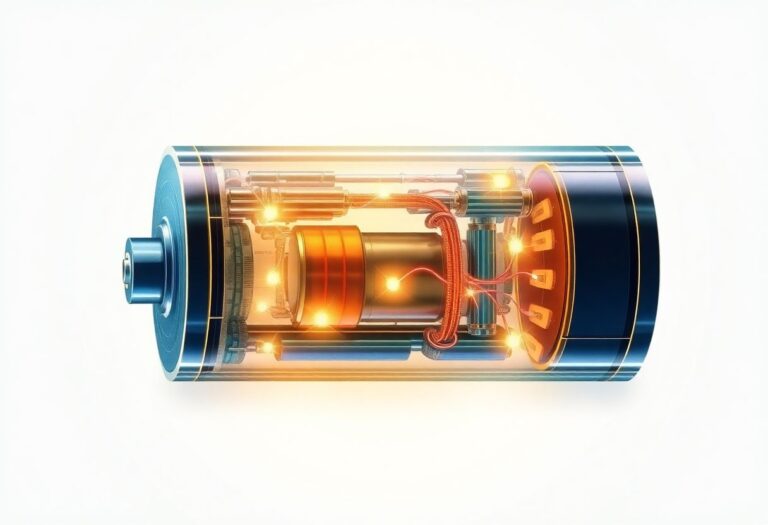
From the humble quartz watch to cutting-edge medical implants, piezoelectric materials have already transformed numerous aspects of our lives. As we look to the future, the potential applications seem limited only by our imagination. The ability to generate electricity from everyday movements and vibrations opens up exciting possibilities for sustainable energy and smart technology.
While challenges remain, ongoing research and development continue to push the boundaries of what's possible with piezoelectricity. Whether it's powering the devices of tomorrow, enhancing our healthcare technologies, or contributing to a more sustainable future, piezoelectric crystals are sure to play an increasingly important role in shaping our world.
As we stand on the brink of new technological frontiers, piezoelectricity offers a glimpse into a future where energy is harvested from the world around us, where our devices are more responsive and efficient, and where the line between the mechanical and the electrical continues to blur. The next time you check your watch or tap on your phone screen, take a moment to appreciate the remarkable science of piezoelectricity at work—a testament to human ingenuity and the wonders of the natural world.