Autoclaves: Harnessing Steam and Pressure for Sterilization
Introduction: The Invisible Battleground
In a world teeming with microscopic life, we are constantly surrounded by an unseen multitude of bacteria, viruses, and other microorganisms. While many of these tiny entities are harmless or even beneficial, others pose significant threats to human health and safety. This invisible battleground has long been a concern in fields like healthcare, research, and industry, where the need for sterility is paramount. Enter the autoclave – a powerful ally in our fight against harmful microbes.
Autoclaves, often described as the superheroes of sterilization, harness the formidable combination of steam, pressure, and heat to eliminate even the most resilient microorganisms. These devices have revolutionized our ability to create sterile environments and materials, playing a crucial role in preventing infections, ensuring experimental integrity, and maintaining product quality across various sectors.
In this comprehensive exploration of autoclave technology, we'll delve into the intricate workings of these machines, their wide-ranging applications, and the scientific principles that make them so effective. We'll also examine the latest developments in autoclave design and consider their environmental impact and future prospects. Whether you're a healthcare professional, researcher, or simply curious about the technology that keeps our world safe from microscopic threats, this article will provide you with a deep understanding of these indispensable devices.
The Autoclave: A Closer Look
Defining the Autoclave
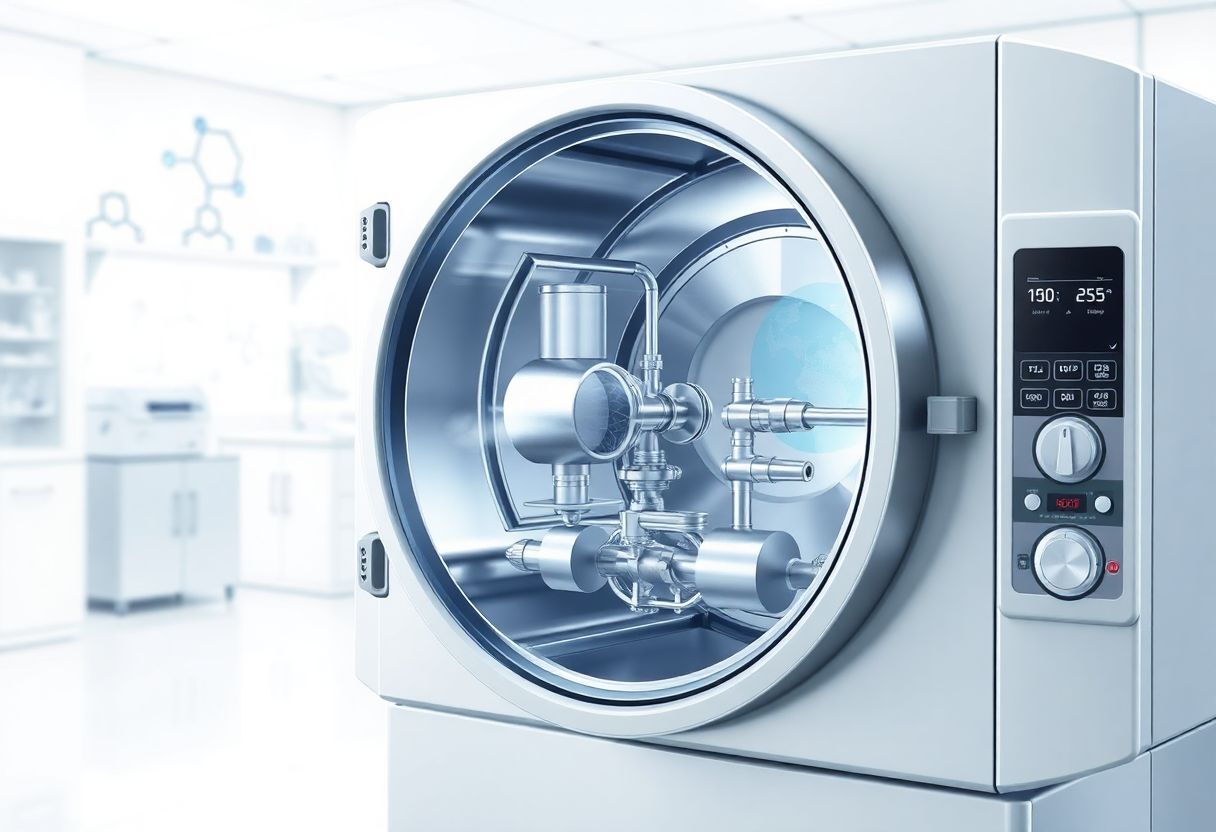
At its core, an autoclave is a specialized pressure chamber designed to sterilize equipment and materials using steam under high pressure. The term "autoclave" itself offers insight into its function, derived from Greek and Latin roots: "auto" meaning "self," and "clavis" meaning "key." This etymology hints at one of the key features of autoclaves – their ability to self-seal or self-lock under pressure.
Autoclaves come in various sizes and designs, ranging from small tabletop units used in dental offices to large industrial-scale chambers employed in manufacturing and waste management. Despite these variations, all autoclaves operate on the same fundamental principle: using steam under pressure to create an environment inhospitable to microbial life.
The Sterilization Process: A Step-by-Step Journey
To truly appreciate the ingenuity of autoclave technology, let's walk through the sterilization process step by step:
-
Loading the Chamber: The process begins with carefully loading items into the autoclave's chamber. This chamber is typically cylindrical, as this shape is better able to withstand high pressures than box-shaped containers. Proper loading is crucial, as items must be arranged to allow for efficient steam circulation.
-
Sealing the Door: Once loaded, the autoclave door is securely sealed. Modern autoclaves often feature both automatic and manual sealing mechanisms for added safety.
-
Air Removal: Before sterilization can begin, all air must be removed from the chamber. This critical step ensures that steam can penetrate all surfaces of the items being sterilized. Air removal is typically achieved through one of two methods:
- Pre-vacuum method: A vacuum pump actively removes air from the chamber.
- Gravity displacement method: Steam is introduced, gradually forcing the air out through a drain port.
-
Steam Introduction: High-pressure steam is then introduced into the chamber. This steam is typically at a pressure higher than normal atmospheric pressure, allowing it to reach temperatures between 121°C and 134°C (250°F to 273°F).
-
Maintaining Temperature and Pressure: Once the desired temperature is reached, a thermostat activates, and a timer begins. The steam circulation continues for a set period, usually between 3 to 20 minutes, depending on the items being sterilized and the temperature used.
-
Cooling and Drying: After the sterilization cycle, the steam is released, and the items are allowed to cool and dry. Some advanced autoclaves feature assisted air drying to speed up this process.
-
Unloading: Finally, once it's safe to do so, the sterilized items can be removed from the autoclave.
The Science Behind Autoclave Sterilization
Pressure, Temperature, and the Boiling Point
The effectiveness of autoclave sterilization relies on a fascinating interplay of physical principles, particularly the relationship between pressure and boiling point. As pressure increases, so does the boiling point of water. This phenomenon allows the steam in an autoclave to reach temperatures well above 100°C (212°F), which is the normal boiling point of water at sea level.
In a typical autoclave operating at 15 psi above atmospheric pressure, water boils at approximately 121°C (250°F). This extra heat provides the steam with significantly more energy and killing power than would be possible at normal atmospheric pressure.
The Lethal Power of Steam
Steam proves to be an incredibly effective sterilizing agent for several reasons:
-
Efficient Heat Transfer: Steam transfers heat more efficiently than dry air. When steam condenses on cooler surfaces, it releases its latent heat of vaporization, delivering a large amount of energy to the target surface.
-
Superior Penetration: Steam can penetrate porous materials and small crevices much more effectively than dry heat, ensuring thorough sterilization.
-
Protein Denaturation: The high heat causes proteins in microorganisms to denature, or lose their structure. This process is often irreversible and leads to the death of the microorganism.
-
Cell Lysis: In some cases, the intense heat can cause microbial cells to rupture, a process known as cell lysis.
The Crucial Role of Pressure
Pressure plays a multifaceted role in the sterilization process:
-
Temperature Elevation: As mentioned earlier, increased pressure allows the steam to reach higher temperatures, enhancing its sterilizing power.
-
Improved Penetration: The higher pressure helps force steam into porous materials and tight spaces, ensuring more thorough sterilization.
-
Hostile Environment: The high-pressure environment itself is inhospitable to many microorganisms, contributing to their demise.
Types of Autoclaves: Choosing the Right Tool for the Job
Autoclaves come in various designs, each suited for different applications and environments. Understanding these types can help in selecting the most appropriate autoclave for a given task.
1. Gravity Displacement Autoclaves
Gravity displacement autoclaves are the simplest and often most cost-effective type. They rely on gravity to displace the air in the chamber with steam.
Pros:
- Simple design with fewer components
- Lower initial cost
- Easier maintenance
Cons:
- Longer cycle times
- Less effective for sterilizing porous materials or items with complex geometries
These autoclaves are often suitable for smaller clinics, dental offices, or laboratories with basic sterilization needs.
2. Pre-vacuum Autoclaves
Pre-vacuum autoclaves use a vacuum pump to remove air from the chamber before introducing steam. This results in more efficient air removal and better steam penetration.
Pros:
- Faster cycle times
- Superior steam penetration, especially for porous materials
- More effective for complex instruments with lumens or tubes
Cons:
- More complex design
- Higher initial cost
- Requires more maintenance due to additional components
Pre-vacuum autoclaves are commonly used in hospitals, large clinics, and research facilities where rapid, thorough sterilization is crucial.
3. Steam-Flush Pressure-Pulse Autoclaves
These advanced autoclaves use a series of steam flushes and pressure pulses to remove air from the chamber. This method is particularly effective for sterilizing complex instruments.
Pros:
- Extremely effective air removal
- Excellent for sterilizing intricate instruments
- Can often achieve sterilization at lower temperatures, potentially extending the life of delicate instruments
Cons:
- Most expensive option
- Requires more sophisticated maintenance
- May have longer cycle times due to the complex air removal process
Steam-flush pressure-pulse autoclaves are often found in advanced medical facilities and laboratories dealing with particularly challenging sterilization needs.
Applications of Autoclaves: From Healthcare to Industry
The versatility of autoclave technology has led to its adoption across a wide range of fields. Let's explore some of the key areas where autoclaves play a crucial role.
Healthcare: The Frontline of Sterilization
In healthcare settings, maintaining sterility is paramount to patient safety. Autoclaves are used extensively to sterilize:
- Surgical instruments: From scalpels to clamps, ensuring these tools are sterile is crucial for preventing surgical site infections.
- Laboratory equipment: Petri dishes, pipettes, and other lab tools must be sterilized to maintain experimental integrity.
- Medical waste: Autoclaves can render biohazardous waste safe for disposal.
Research and Laboratory Work: Ensuring Experimental Integrity
In research laboratories, autoclaves are indispensable tools. They are used to:
- Sterilize culture media: Ensuring growth media are free from contaminants is crucial for microbiology experiments.
- Prepare sterile growth environments: From plant tissue culture to cell biology, many experiments require sterile conditions.
- Decontaminate biological waste: Safely disposing of potentially hazardous biological materials.
Dentistry: Maintaining Oral Health
Dental practices rely heavily on autoclaves to sterilize:
- Dental instruments: Drills, picks, and other tools that come into contact with patients' mouths.
- Handpieces: The high-speed drills used in dental procedures.
- Burs: The cutting instruments used for cavity preparation and other dental work.
Tattoo and Piercing Studios: Ensuring Client Safety
In the body modification industry, autoclaves play a crucial role in preventing the spread of bloodborne pathogens. They are used to sterilize:
- Needles: Ensuring each client receives a sterile needle for their tattoo or piercing.
- Jewelry: Sterilizing body jewelry before insertion.
- Other equipment: Forceps, tubes, and other tools used in the tattooing and piercing process.
Industrial Applications: Beyond Sterilization
Beyond their role in sterilization, autoclaves find use in various industrial processes:
- Vulcanizing rubber: The high heat and pressure in autoclaves can be used to cure rubber, improving its strength and elasticity.
- Curing composites: In aerospace manufacturing, autoclaves are used to cure advanced composite materials under controlled conditions.
- Chemical synthesis: Some chemical reactions benefit from the high temperature and pressure environment provided by autoclaves.
Ensuring Effective Sterilization: The Devil is in the Details
While the basic principle of autoclave sterilization might seem straightforward, ensuring effective sterilization requires careful attention to several key factors:
Critical Parameters for Effective Sterilization
-
Temperature: The temperature must be high enough to kill microorganisms. For most applications, this is typically 121°C (250°F) or higher.
-
Pressure: The pressure affects both the temperature of the steam and its ability to penetrate materials. Most autoclaves operate at 15-20 psi above atmospheric pressure.
-
Time: The exposure time must be long enough to ensure complete sterilization. This can range from 3 to 20 minutes or more, depending on the items being sterilized and the temperature used.
-
Steam Quality: The steam must be pure and saturated for effective sterilization. Wet steam or superheated steam can lead to inadequate sterilization.
-
Loading: Items must be arranged to allow for proper steam circulation. Overloading or improper loading can result in "cold spots" where sterilization is incomplete.
-
Packaging: Materials must be packaged in a way that allows steam penetration while maintaining sterility after the process.
Monitoring Systems: Verifying Sterilization
To ensure these critical parameters are met and sterilization is achieved, autoclaves employ various monitoring systems:
-
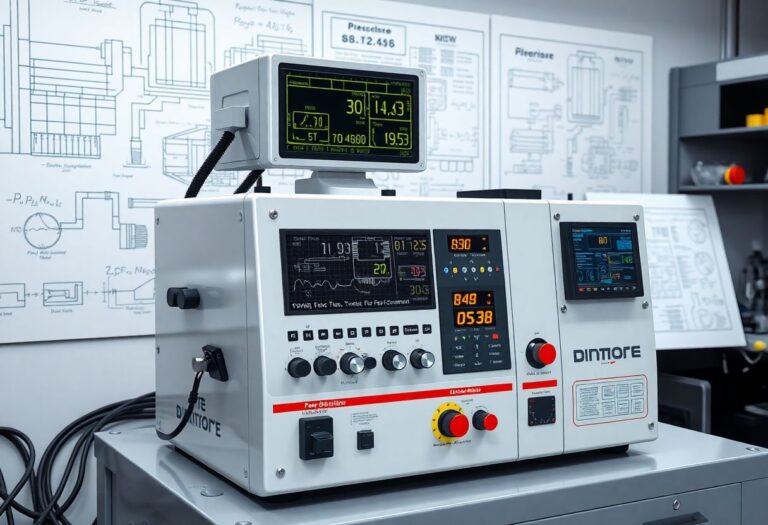
Mechanical Monitors: These include gauges and displays that show temperature, pressure, and time during the sterilization cycle.
-
Chemical Indicators: These indicators change color when exposed to steam, providing a visual cue that items have been processed. However, they do not guarantee sterilization, only that the item was exposed to steam.
-
Biological Indicators: These contain bacterial spores (usually Geobacillus stearothermophilus) that are highly resistant to steam sterilization. If these spores are killed, it provides strong evidence that the sterilization process was effective.
Regular testing and validation of autoclave performance is crucial to ensure ongoing effectiveness. This typically involves a combination of these monitoring methods, as well as periodic maintenance and calibration of the autoclave itself.
Safety Considerations: Respecting the Power of Pressure
While autoclaves are invaluable tools in our fight against microorganisms, they also pose potential hazards if not used correctly. Understanding and respecting these risks is crucial for safe operation.
Pressure Hazards
The high pressure inside an autoclave can be dangerous if not properly contained. Modern autoclaves incorporate several safety features to mitigate this risk:
- Pressure relief valves: These valves automatically release excess pressure if it builds up beyond safe levels.
- Interlocking doors: These prevent the autoclave from being opened while under pressure.
- Emergency shut-off systems: Allow for rapid depressurization in case of emergencies.
Burn Hazards
The high-temperature steam and hot surfaces present significant burn risks. Safety measures include:
- Protective clothing: Operators should wear heat-resistant gloves and face shields when working with autoclaves.
- Cooling periods: Allowing sufficient time for items to cool before handling.
- Clear warning signs: Indicating hot surfaces and the presence of steam.
Chemical Hazards
Some materials can release toxic fumes when autoclaved. It's crucial to:
- Check material compatibility before autoclaving.
- Ensure proper ventilation in autoclave areas.
- Follow guidelines for autoclaving potentially hazardous materials.
Environmental Impact and Energy Efficiency: Sterilization in the Age of Sustainability
While autoclaves are essential for maintaining sterility in many fields, they do have a significant environmental impact, primarily due to their high energy and water consumption. However, efforts are being made to improve their efficiency and reduce their environmental footprint.
Water Conservation
Traditional autoclaves can use large amounts of water, particularly for cooling and steam generation. Modern designs are incorporating water-saving features:
- Water recycling systems: These capture and reuse water from previous cycles.
- Condensate return systems: Return condensed steam to the boiler for reuse.
- Vacuum systems: Some advanced autoclaves use vacuum pumps instead of water ejectors, significantly reducing water consumption.
Energy Efficiency
Autoclaves are energy-intensive devices, but several strategies are being employed to improve their efficiency:
- Improved insulation: Better insulation reduces heat loss, lowering energy requirements.
- Smart controls: Advanced control systems optimize cycle times and energy use based on the specific load.
- Heat recovery systems: Capture and reuse waste heat from the sterilization process.
Alternative Sterilization Methods
For items that don't require high-temperature steam sterilization, alternative methods are being explored:
- Low-temperature hydrogen peroxide gas plasma sterilization: Suitable for heat-sensitive items.
- Ethylene oxide sterilization: Used for items that can't tolerate moisture.
- Radiation sterilization: Commonly used for single-use medical devices.
While these methods have their own environmental considerations, they can be more suitable for certain applications and may have a lower overall environmental impact in those cases.
The Future of Autoclave Technology: Innovations on the Horizon
As with many technologies, autoclave design continues to evolve. Several exciting developments are shaping the future of these indispensable devices:
Smart Autoclaves
The integration of advanced sensors and AI-driven controls is leading to "smart" autoclaves that can:
- Automatically adjust cycle parameters based on the load.
- Predict maintenance needs before failures occur.
- Optimize energy and water usage in real-time.
Remote Monitoring and Control
Network-connected autoclaves allow for:
- Remote monitoring of sterilization cycles.
- Immediate alerts in case of cycle failures or other issues.
- Collection and analysis of sterilization data for quality assurance and process improvement.
Integration with Tracking Systems
Autoclaves are being integrated with inventory management and tracking systems, allowing for:
- Improved traceability of sterilized items.
- Automated record-keeping for regulatory compliance.
- Optimization of instrument turnover in healthcare settings.
Eco-friendly Designs
Future autoclaves are likely to place an even greater emphasis on sustainability:
- Use of recyclable or biodegradable materials in autoclave construction.
- Integration with renewable energy sources.
- Development of waterless autoclave technologies.
Conclusion: The Unsung Heroes of Modern Hygiene
As we've explored in this comprehensive look at autoclave technology, these devices play a crucial, if often overlooked, role in maintaining health and safety across a wide range of fields. From the busy corridors of hospitals to the precise environment of research laboratories, from the chair of a dental office to the sterile field of an operating room, autoclaves work tirelessly to create the sterile conditions we often take for granted.
The science behind autoclaves is a fascinating intersection of physics, chemistry, and microbiology. The careful manipulation of steam, pressure, and temperature creates an environment so hostile to microbial life that even the most resilient organisms cannot survive. This powerful yet controlled process allows us to reuse critical medical instruments, conduct sensitive experiments, and even shape materials for industrial applications.
As we look to the future, autoclave technology continues to evolve. Smart controls, improved efficiency, and integration with other systems promise to make these devices even more effective and sustainable. Yet, the core principle – the use of steam under pressure