The Science Behind Gas Boilers: How They Work and Why They Matter
Gas boilers have been the unsung heroes of home comfort for decades, quietly and efficiently providing warmth and hot water to millions of households worldwide. As a science and technology educator, I find these devices fascinating not just for their practical applications, but for the intricate engineering and thermodynamic principles they embody. In this comprehensive exploration, we'll delve deep into the inner workings of gas boilers, unraveling their complexities and shedding light on why they continue to be a cornerstone of modern heating systems.
The Fundamentals of Gas Boiler Technology
At its core, a gas boiler is a marvel of thermal engineering. It harnesses the chemical energy stored in natural gas and converts it into usable heat through a series of carefully orchestrated processes. The principle behind this conversion is combustion, a rapid chemical reaction between a fuel (in this case, natural gas) and an oxidizer (typically air). This reaction releases a significant amount of thermal energy, which is then transferred to water circulating through the boiler system.
The efficiency of this energy conversion is crucial. Modern condensing boilers can achieve remarkable efficiency rates of over 90%, a significant improvement from their predecessors. This high efficiency is due to their ability to extract latent heat from exhaust gases, a process we'll explore in more detail later.
The Anatomy of a Gas Boiler
To truly understand how a gas boiler works, we must first familiarize ourselves with its key components. Each part plays a vital role in the overall function of the system:
The Burner: The Heart of the Heat
The burner is where the magic begins. It's responsible for mixing natural gas with air in precise proportions and igniting this mixture. Modern burners use advanced technology to ensure complete combustion, maximizing energy output while minimizing harmful emissions. The design of the burner can significantly impact the boiler's efficiency and environmental performance.
The Heat Exchanger: A Thermal Bridge
The heat exchanger is a critical component that facilitates the transfer of thermal energy from the burning gas to the water in the system. Typically made of materials with high thermal conductivity like copper or stainless steel, the heat exchanger's design is optimized to maximize surface area and heat transfer efficiency. In condensing boilers, a secondary heat exchanger further extracts heat from exhaust gases, contributing to their superior efficiency.
The Pump: Keeping the Heat Moving
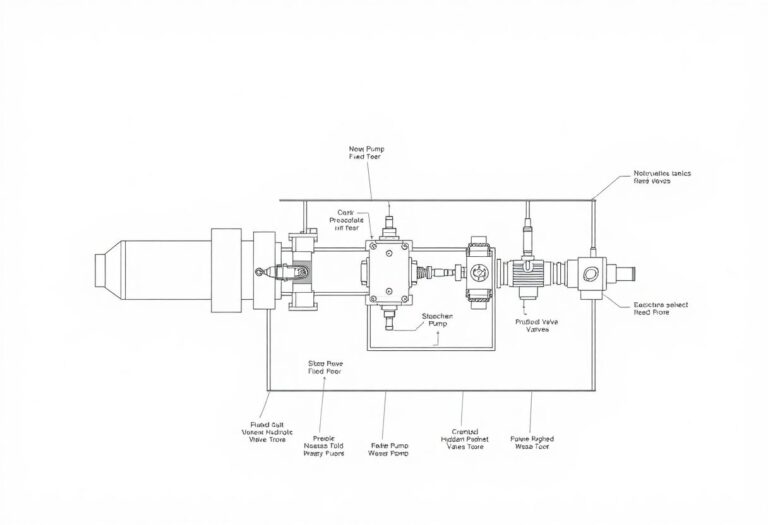
Circulation pumps ensure that heated water moves efficiently through the entire heating system. These pumps are carefully sized to provide optimal flow rates, balancing the need for effective heat distribution with energy efficiency. Modern pumps often incorporate variable speed technology, adjusting their output based on the system's heating demands.
The Expansion Vessel: Managing Pressure
As water heats and cools, its volume changes. The expansion vessel accommodates these changes, maintaining a stable pressure within the closed system. This component is crucial for preventing damage to pipes and other components due to excessive pressure buildup.
The Flue: Safe Exhaust Management
The flue system safely channels combustion byproducts out of the home. In condensing boilers, the flue gases are cooled to the point where water vapor condenses, releasing additional latent heat. This process not only improves efficiency but also requires corrosion-resistant materials in the flue to handle the resulting acidic condensate.
The Control System: The Boiler's Brain
Modern gas boilers incorporate sophisticated control systems that manage all aspects of operation. These systems monitor temperatures, adjust gas flow, control pumps, and ensure safe operation. Many now offer smart features, allowing for remote control and integration with home automation systems.
The Science of Combustion in Gas Boilers
The combustion process in a gas boiler is a fascinating example of chemical kinetics and thermodynamics in action. Natural gas, primarily composed of methane (CH4), reacts with oxygen in the air to produce carbon dioxide and water vapor, along with a significant amount of heat:
CH4 + 2O2 → CO2 + 2H2O + Heat
This reaction releases approximately 891 kJ of energy per mole of methane burned. The precise control of this reaction is crucial for both efficiency and safety. Too little air can lead to incomplete combustion and the formation of carbon monoxide, while too much air can reduce efficiency by carrying away excess heat in the exhaust gases.
The Evolution of Efficiency: Condensing Boilers
The development of condensing boiler technology marked a significant leap forward in gas boiler efficiency. These boilers are designed to recover the latent heat of vaporization from the water vapor produced during combustion. As the exhaust gases cool below the dew point (typically around 55°C), water vapor condenses, releasing additional heat that is captured by the secondary heat exchanger.
This process can increase the boiler's efficiency by up to 10-12% compared to non-condensing models. The thermodynamics behind this are fascinating: by extracting energy that would otherwise be lost up the flue, condensing boilers approach the theoretical maximum efficiency for natural gas combustion.
The Role of Thermostatics in Gas Boiler Operation
Temperature control in gas boilers relies on the principles of thermostatics, the branch of physics that deals with the relationships between heat and other forms of energy. Thermostats use various mechanisms to sense temperature changes and trigger appropriate responses in the boiler system.
Modern thermostats often employ electronic sensors and microprocessors to achieve precise temperature control. Some advanced systems even use predictive algorithms to anticipate heating needs based on past usage patterns and weather forecasts, further optimizing energy efficiency.
Environmental Considerations and Future Developments
While gas boilers have become increasingly efficient, their reliance on fossil fuels poses environmental challenges. The combustion of natural gas inevitably produces carbon dioxide, a greenhouse gas. As we strive for a low-carbon future, the heating industry is exploring several avenues:
Hydrogen-Ready Boilers
Research into hydrogen-compatible boilers is gaining momentum. Hydrogen combustion produces only water vapor as a byproduct, making it a potentially carbon-neutral heating solution. However, significant challenges remain in hydrogen production and distribution infrastructure.
Hybrid Systems
Combining gas boilers with renewable technologies like heat pumps or solar thermal systems can significantly reduce overall carbon emissions. These hybrid systems leverage the strengths of each technology to optimize efficiency and environmental performance.
Smart Integration
The integration of gas boilers with smart home systems and the broader energy grid offers opportunities for demand-side management and improved overall energy efficiency. By responding to real-time energy pricing and grid demands, smart boilers could play a role in balancing renewable energy sources.
Conclusion: The Enduring Relevance of Gas Boiler Technology
Gas boilers represent a fascinating intersection of thermodynamics, fluid mechanics, materials science, and control systems engineering. Their evolution from simple water heaters to highly efficient, smart-enabled heating systems is a testament to continuous innovation in applied science and technology.
As we navigate the challenges of climate change and energy transition, the principles underlying gas boiler operation will continue to inform the development of future heating solutions. Whether through advancements in combustion technology, integration with renewable systems, or the exploration of alternative fuels like hydrogen, the legacy of gas boilers in shaping our understanding of efficient home heating is undeniable.
For science enthusiasts and aspiring engineers, the gas boiler serves as an excellent case study in the practical application of fundamental scientific principles. It demonstrates how theoretical concepts in thermodynamics and chemistry translate into real-world technologies that impact our daily lives. As we look to the future of home heating, the lessons learned from gas boiler technology will undoubtedly play a crucial role in shaping more sustainable and efficient solutions for generations to come.