21 Freelancer Website Examples to Inspire Your Own Client-Winning Site
As a freelancer, your website is your most powerful tool for attracting clients and growing your business. It‘s often the first impression a potential client will have of you and your work. In fact, studies show that 75% of consumers admit to making judgments on a company‘s credibility based on their website design.
An engaging, professional freelance website can be the difference between a prospect reaching out to learn more about your services or clicking away to a competitor. But what exactly makes a freelance site effective? How can you create a website that showcases your unique skills and convinces your ideal clients to hire you?
In this guide, we‘ll dive into 21 of the best freelance websites across a range of fields, from copywriting to web development to design. For each example, I‘ll highlight the specific elements that make the site so impactful. Then I‘ll walk you through how to implement those same techniques to build your own client-winning freelance website.
Freelance Website Examples to Inspire You
1. Copywriter: Jay Crisp Crow
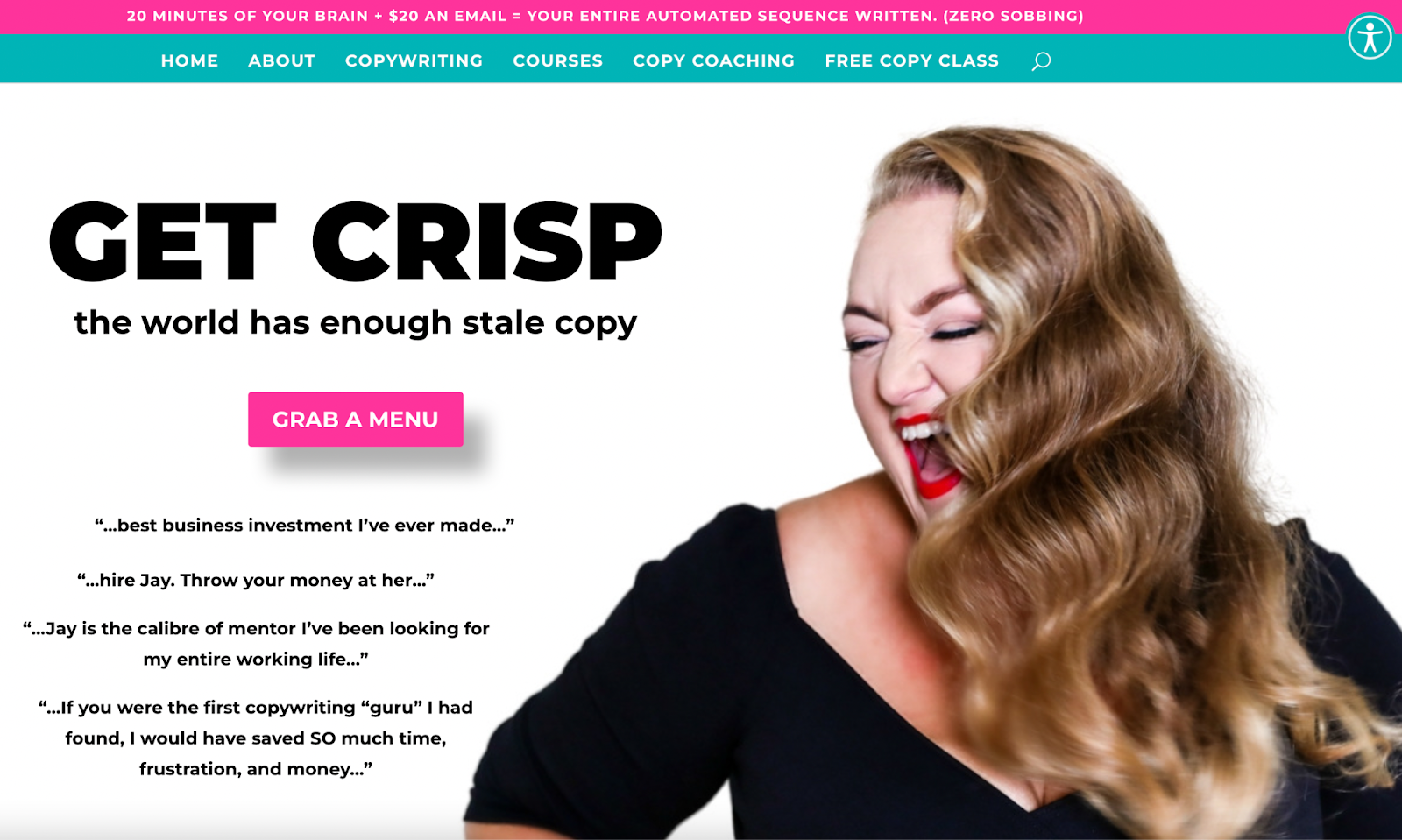
What makes this site great:
- Bold color palette and unique illustrations capture attention and show personality
- Compelling above-the-fold copy speaks directly to target clients‘ goals
- Testimonials, client logos, and case studies provide instant credibility
- Strategic lead magnets encourage email opt-ins
- Accessible navigation menu improves user experience
Key takeaway: Don‘t be afraid to inject your unique personality into your freelance site‘s branding and copy. Clear messaging and social proof can quickly communicate your value to ideal clients.
2. Web Developer: Bruno Simon
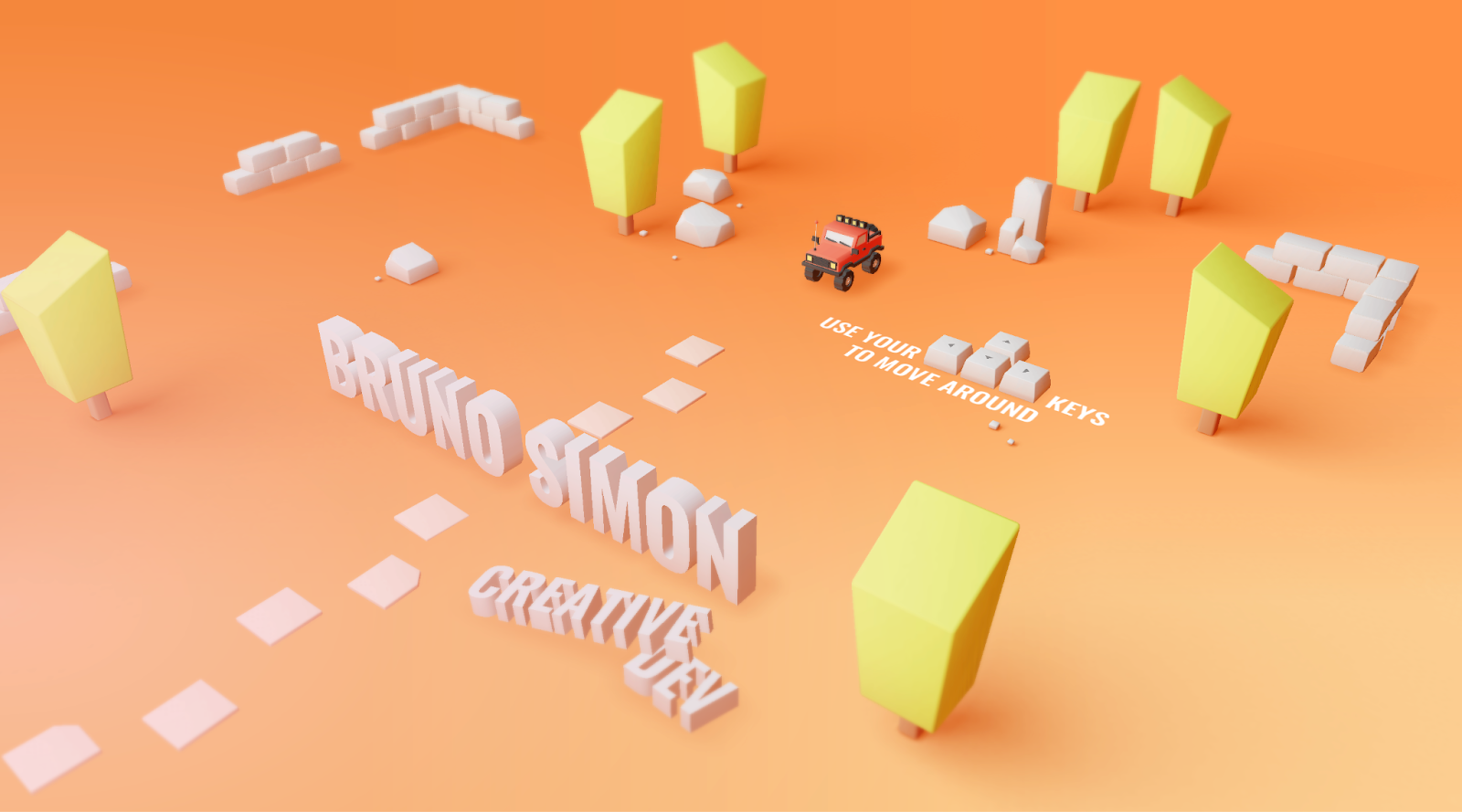
What makes this site great:
- Interactive 3D game immerses visitors in the site
- Creative concept showcases coding skills
- Playful car animation guides users through content in a memorable way
- Subtle audio effects enhance the video game theme
- Simple one-page layout keeps navigation intuitive
Key takeaway: If you have specialized development or design skills, consider building an immersive interactive experience into your freelance site. It‘s an effective way to both demonstrate your technical abilities and leave a lasting impression on visitors.
3. Illustrator: Chungi Yoo
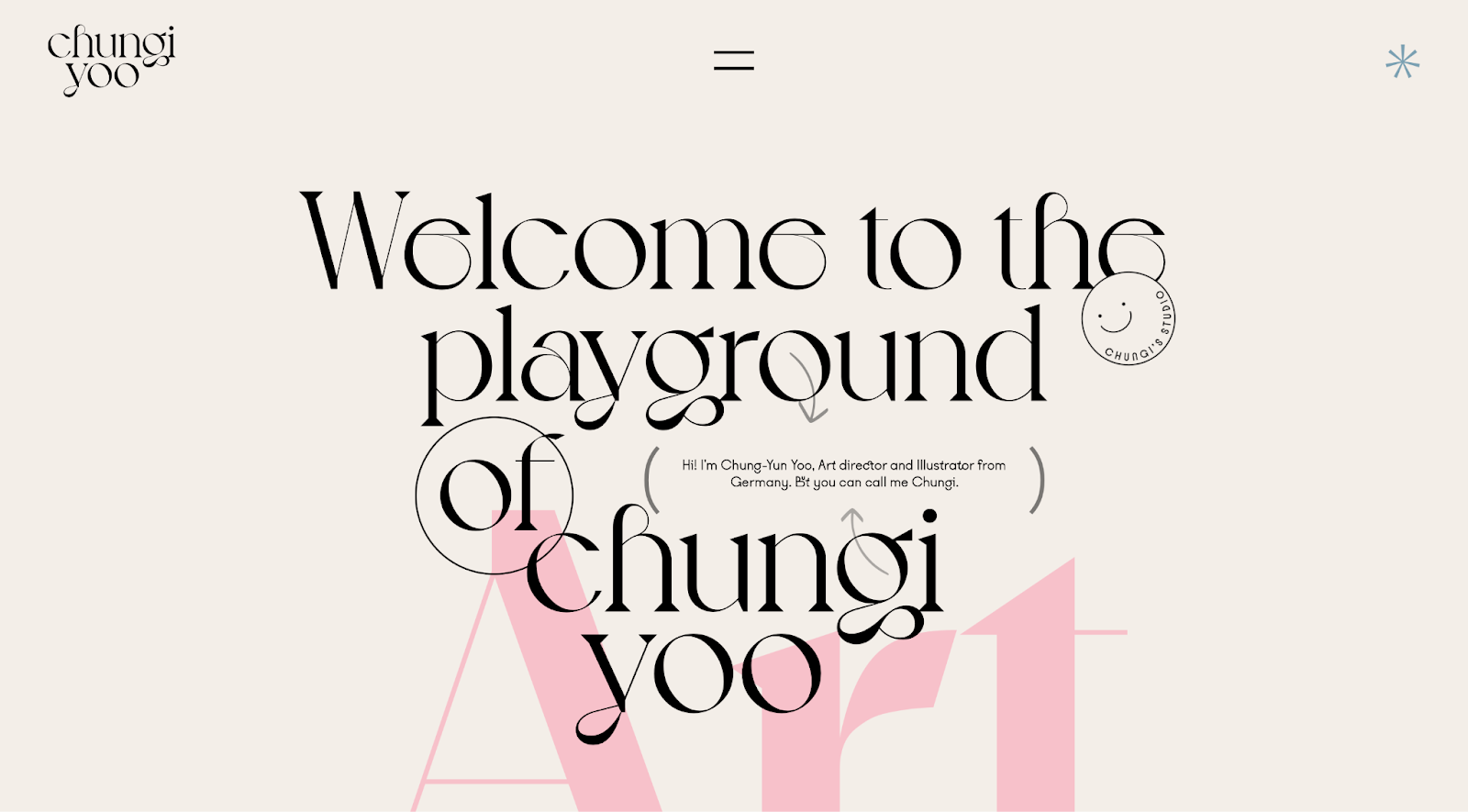
What makes this site great:
- Whimsical pastel color scheme captures light-hearted brand style
- Delightful custom illustrations demonstrate personality and artistic talent
- Subtle parallax effects create depth and visual interest
- Simplified navigation menu keeps focus on the work
- Carefully curated portfolio images presented in engaging layouts
Key takeaway: Thoughtfully incorporating your signature artistic style throughout your freelance website reinforces your niche and brand. Intentional, cohesive design choices can take your site from basic to captivating.
4. UX Designer: UX Dyniza
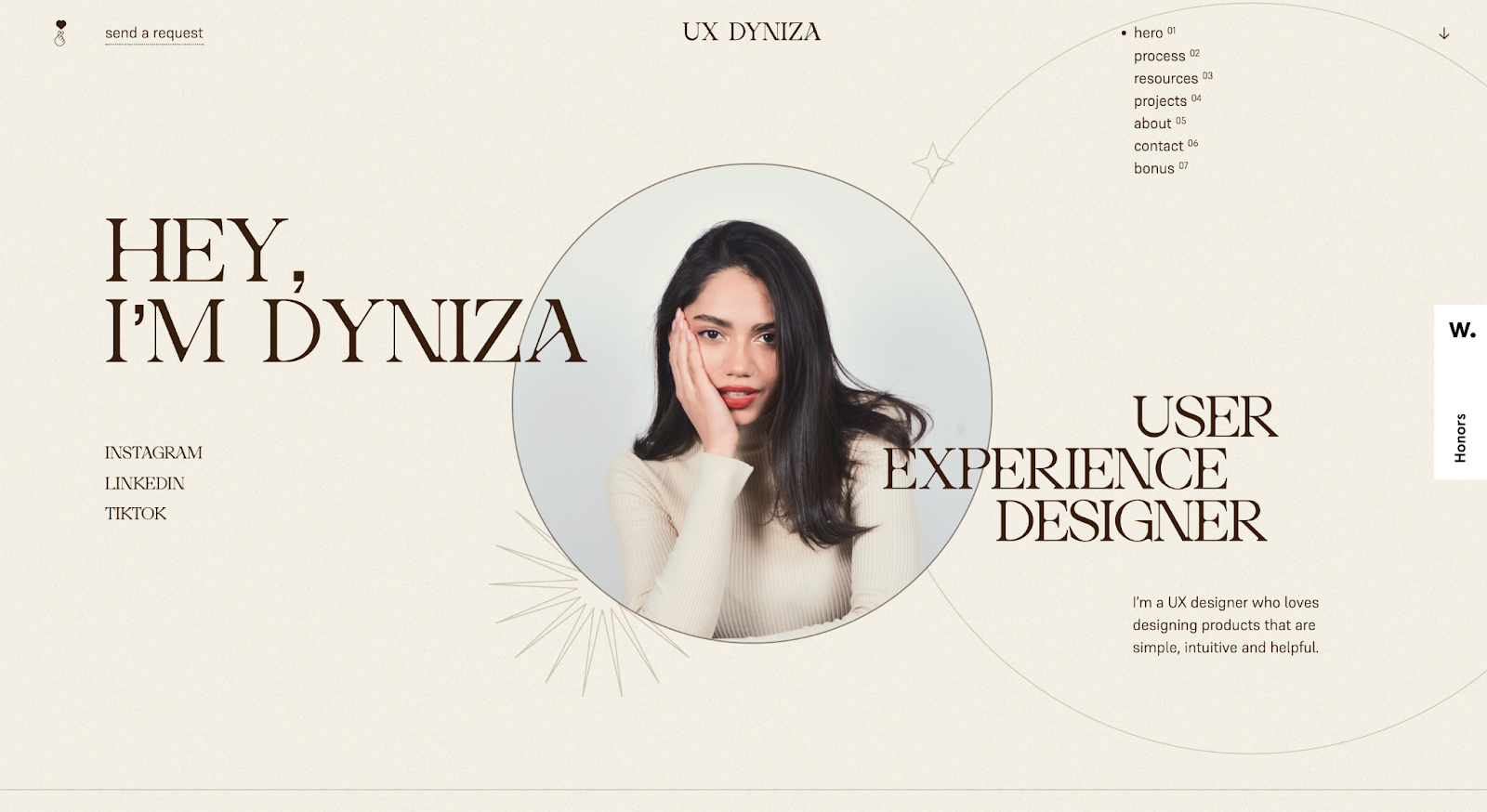
What makes this site great:
- Clean one-page design with clear sections for easy scanning
- Detailed case studies walk through design problems and solutions
- Bite-sized UX tips showcase thought leadership
- Prominent CTA promotes free e-book to capture leads
- Testimonials from notable clients boost credibility
Key takeaway: Use your freelance website to not only highlight your work samples, but provide value to visitors. Publishing helpful resources, case studies, or other educational content can position you as an expert in your niche.
5. SEO Consultant: Sam Underwood
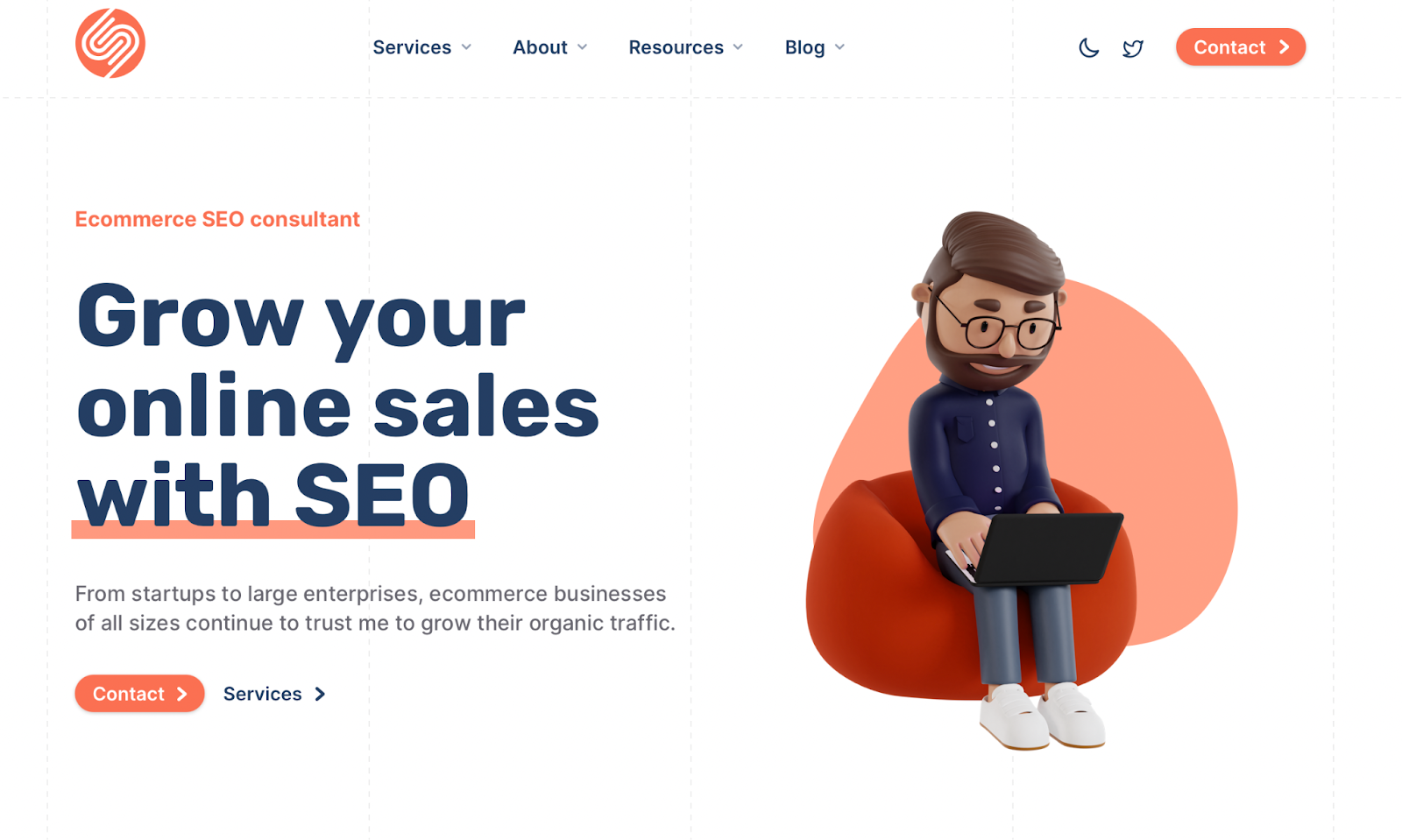
What makes this site great:
- Benefit-driven headline copy targets ideal clients
- Overview of SEO process builds trust
- In-depth case studies demonstrate real results
- Clear contact CTAs at the bottom of each page
- Cohesive branding with blue and orange color palette
Key takeaway: Clearly communicating who you serve and the specific benefits you provide can encourage the right prospects to contact you. Back up your claims with hard numbers and data from your successful client projects.
How to Create a High-Performing Freelance Website
Now that you‘re feeling inspired by those freelance website examples, let‘s walk through how to build your own client-attracting site.
1. Define your goals and target audience
Every effective website starts with a clear plan. Before diving into the design phase, get crystal clear on what you want your freelance site to accomplish. Common goals include:
- Generating new client leads
- Showing off your portfolio
- Positioning yourself as an expert in your niche
- Growing your email list
- Securing speaking engagements
Also consider who your site is primarily aimed at. What type of clients do you want to attract? What are their demographics, challenges, and goals? How can your site best speak to their needs?
Defining your website objectives and ideal audience will guide every other decision as you build out your site.
2. Gather website essentials
With your plan in place, you‘ll need to secure a few key technical elements before you start designing your site:
-
Domain name – Aim for a "yourbusinessname.com" domain if possible for strong branding. If you use your personal name, consider adding "writer," "developer," etc. for better SEO.
-
Web hosting – Choose a reliable hosting provider with excellent uptime, site speed, and customer support. We recommend options like Kinsta, WPEngine, or Siteground.
-
SSL certificate – This provides the secure "https" and lock icon in your URL bar, boosting trust and SEO. Most hosts include this free.
-
Website platform – WordPress is the most popular choice for its customization options. Other user-friendly site builders include Squarespace and Webflow.
3. Develop your site‘s aesthetic
An eye-catching visual design is essential to your freelance site‘s success. In fact, 94% of first impressions are design-related!
To start, consider your overall vibe and brand personality. Do you want to come across as bold and cutting-edge? Friendly and approachable? Elegant and upscale?
Collect inspiration images from other sites you love, then decide on your:
- Color palette (choose 2-4 main colors)
- Font pairings (aim for 2-3 complementary fonts)
- Imagery style (custom illustrations, themed stock photos, branded graphics, etc.)
Keep your visual elements consistent across your entire site for a cohesive, professional look. When in doubt, err on the side of simplicity. Avoid adding design fluff that doesn‘t support your business goals.
4. Outline your core pages
Nearly every freelance website should include these key pages:
-
Homepage – Your site‘s first impression. Include a benefits-focused headline, brief description of what you do, and a CTA to learn more.
-
About – Tell your story and share what makes you different. Highlight your relevant experience, skills, and qualifications.
-
Portfolio – Showcase your best work samples, tailored to your ideal clients. Aim for 5-7 diverse projects that demonstrate your process and results.
-
Services – Break down the specific solutions you provide and who they‘re for. Consider including tiered packages or starting prices.
-
Contact – Make it easy for leads to reach you by including a contact form, email address, and links to active social profiles.
You may also want to include pages like client testimonials, case studies, a resources library, or a blog, depending on your goals.
5. Optimize your portfolio
As a freelancer, your portfolio can make or break your ability to land clients. In one study by Contently, 65% of employers said they‘d choose to hire a creative professional based on their portfolio.
A portfolio filled with your strongest, most relevant work is a must. But how can you take yours to the next level?
- Provide context for each work sample with a mini case study. Describe the client‘s challenge, your approach, and the end results
- Share a variety of projects to demonstrate your range
- Whenever possible, include data on the real impact of your work, like % increases in traffic or conversions
- Let your passion shine through with enthusiastic copy
- Enable easy sharing by including links to your social profiles or "email this" buttons
Remember, clients want to envision themselves in your portfolio. Show them what‘s possible when they work with you!
6. Incorporate social proof
With competition rising across every freelance niche, 84% of consumers now trust online reviews as much as personal recommendations. Client testimonials, trust logos, press features, and similar endorsements are powerful trust signals to include in your freelance site.
Some impactful ways to showcase social proof:
- Include 1-2 glowing testimonial pull-quotes on your homepage
- Feature in-depth success stories on a dedicated case study page
- List notable publications you‘ve written for or been featured in
- Display logos of well-known clients or brands you‘ve worked with
- Embed positive reviews from third-party sites like Google or Yelp
When a prospect sees that others have had a positive experience working with you, they‘ll feel more confident reaching out themselves.
7. Optimize for conversions
For your freelance site to grow your business, it needs to turn visitors into leads and clients. That‘s where conversion rate optimization (CRO) comes in.
Strategic CRO tweaks can encourage casual browsers to stick around, join your list, or inquire about your services. Some of the most effective ways to optimize your freelance site for conversions:
- Place opt-in forms at the end of your high-traffic pages
- Create a freebie like an e-book or email course to incentivize email sign-ups
- Add benefit-driven CTAs at the end of each service description
- Reduce form fields to only the essentials to minimize friction
- Make your contact info easily accessible in your navigation menu and footer
- Ensure your site loads quickly and looks great on mobile devices
Even small CRO improvements, like changing a button color or tweaking your headline copy, can lead to big gains in conversions over time.
Go Forth and Launch Your Freelance Site
Building a freelance website that captures attention and convinces prospects to hire you isn‘t always easy. But by studying successful examples and incorporating some key best practices, you‘ll be well on your way to creating a powerful client-attracting asset for your business.
By highlighting your unique personality, skills, and results, your website can position you as the go-to expert in your niche. It can attract your ideal clients on autopilot and give you a strong foundation to grow your freelance business for years to come.
Use the tips and techniques from this guide to start building or improving your own freelance site today. Launch quickly, then continue to test and refine as you go. Here‘s to your site becoming your #1 source of awesome new freelance clients!