1970s Tonka Toys Value (Most Valuable Sold For $743)
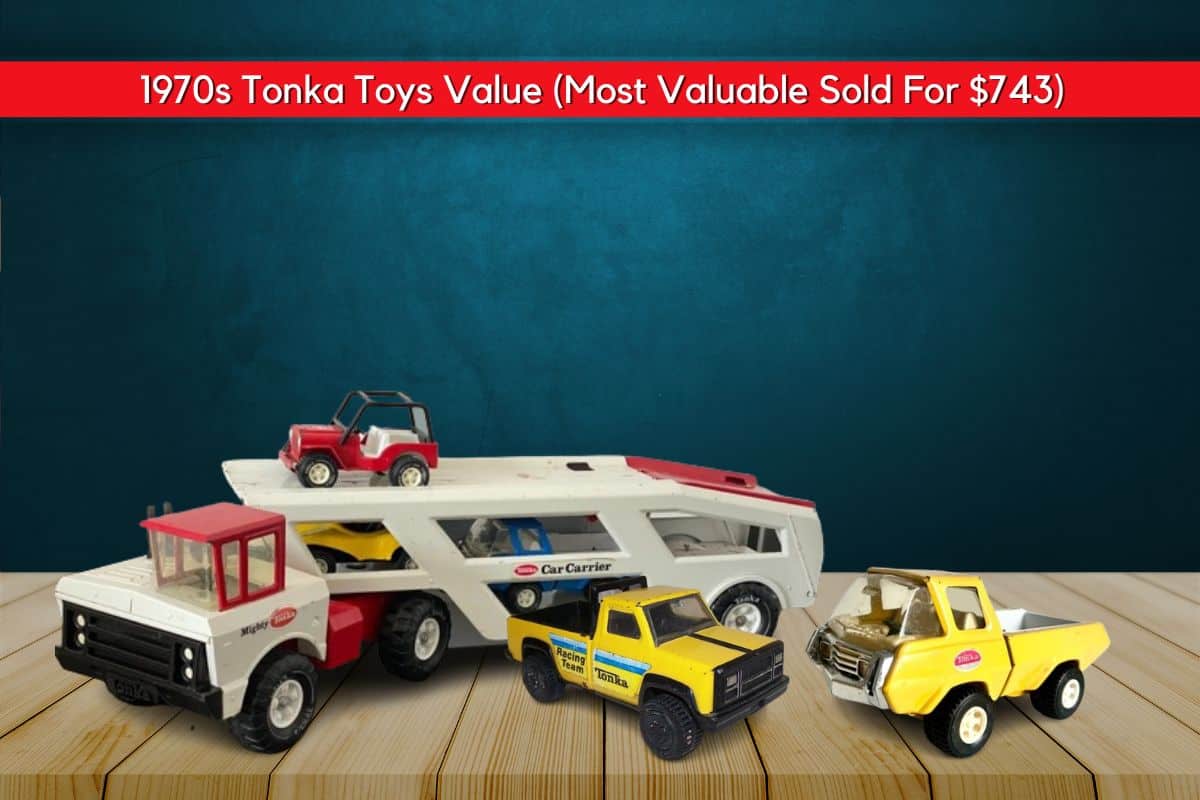
The familiar weight of a vintage Tonka truck in your hands tells a story that modern toys simply cannot match. As an antique collector specializing in vintage toys for over two decades, I‘ve witnessed countless collectors‘ eyes light up when handling these sturdy pieces of American manufacturing history. The 1970s marked what many consider the golden age of Tonka toys, with some rare pieces now reaching values of nearly $750.
The Rise of an American Icon
Tonka‘s journey through the 1970s represents a fascinating chapter in toy manufacturing history. While the company had already established itself as a premier toymaker in previous decades, the 1970s saw Tonka reach new heights in both production quality and market presence. Their Minnesota factory hummed with activity, producing millions of vehicles that would become cherished playthings and, eventually, prized collectibles.
The 1970s brought significant changes to Tonka‘s manufacturing processes. The company maintained its commitment to pressed steel construction while introducing innovations in chrome plating, paint application, and mechanical features. Each truck rolled off the production line with precise attention to detail, from the perfectly scaled proportions to the realistic rubber tires.
During this period, Tonka expanded beyond their traditional construction vehicle lineup. The product range grew to include emergency vehicles, recreational models, and specialized commercial trucks that reflected America‘s changing automotive landscape. This diversification proved crucial for collectors today, as it created numerous subcategories of collectible vehicles.
Understanding Value Factors
When examining a 1970s Tonka toy‘s value, multiple elements come into play. The most pristine examples command premium prices, particularly those rare finds still in their original packaging. However, even played-with pieces can hold significant value if they retain their original components and maintain structural integrity.
Paint condition serves as a primary value indicator. Original paint, especially on hood surfaces and cab roofs, can significantly impact worth. A truck with 90% or more original paint might sell for double or triple the price of an otherwise identical model with substantial paint wear.
Mechanical functionality also weighs heavily in value determination. Working hydraulic systems, steering mechanisms, and dump beds should operate smoothly. Many collectors specifically seek vehicles with all moving parts in working order, often paying premium prices for such examples.
Notable Sales and Current Market Values
Recent market activity has revealed fascinating pricing patterns for 1970s Tonka toys. The headline-grabbing sale of a 1971 Tonka Hydraulic Dump Truck for $743 represents the upper echelon of the market, but numerous other models regularly command impressive prices:
The 1972 Mighty Custom Motor Home regularly sells between $400-600 when found in excellent condition. This model‘s complex design and numerous original accessories make it particularly desirable among serious collectors.
A 1975 Fire Chief Suburban in near-mint condition recently achieved $575 at auction. The model‘s emergency equipment details and limited production numbers contribute to its value.
The Giant Dump Truck series from 1977-1979 consistently reaches $300-500 in good to excellent condition. These larger-scale models showcase Tonka‘s engineering prowess and remain popular with both collectors and display enthusiasts.
Authentication and Identification
Identifying genuine 1970s Tonka toys requires attention to specific details. During this period, Tonka implemented several manufacturing signatures that help verify authenticity:
The bottom plate should bear the distinctive "Tonka Toys Mound, Minn." stamp. This marking appears consistently across 1970s production, though its exact placement may vary slightly between models.
Original fasteners feature zinc plating with a distinctive pattern. Replacement hardware often stands out due to different finishing techniques or modern materials.
Paint texture and application methods from the 1970s created a specific finish that modern reproductions struggle to replicate. Original paint exhibits a particular sheen and durability characteristic of the era‘s manufacturing processes.
Preservation and Restoration
Proper storage proves crucial for maintaining value. Climate-controlled environments help prevent rust formation and paint deterioration. Exposure to extreme temperatures or humidity can accelerate aging and potentially decrease value.
When considering restoration, proceed with caution. While basic cleaning and maintenance can enhance value, extensive restoration might actually decrease a piece‘s worth. Collectors often prefer original condition pieces, even with some wear, over heavily restored examples.
For cleaning, use gentle methods:
- Soft cloths for dust removal
- Mild soap solutions for stubborn dirt
- Specialized metal polish for chrome components
- Appropriate rubber treatments for tires
Regional Market Variations
The market for 1970s Tonka toys shows interesting geographic patterns. Northeast collectors often focus on construction and commercial vehicles, reflecting the region‘s industrial heritage. Midwest collectors frequently seek agricultural models, while West Coast buyers show strong interest in recreational vehicles.
These regional preferences create opportunities for savvy collectors. Cross-regional trading can yield significant returns when moving pieces to markets where they‘re most appreciated.
Building a Focused Collection
Starting a 1970s Tonka collection requires strategic planning. Focus on specific model types or years to develop expertise and maximize investment potential. Understanding production variations helps identify rare pieces that might otherwise go unrecognized.
Documentation becomes increasingly important as values rise. Maintain detailed records of purchases, including condition photos and provenance information. Original paperwork, when available, can significantly enhance value.
Investment Outlook
The market for 1970s Tonka toys continues to strengthen. Several factors contribute to this trend:
Growing interest in vintage Americana drives demand among both collectors and decorators. The sturdy construction ensures many pieces survive, but finding examples in excellent condition becomes increasingly challenging.
International markets show increasing interest, particularly in Asia and Europe. This expanding collector base suggests potential for continued value appreciation.
Market Challenges and Opportunities
While the market remains strong, certain challenges exist. Reproduction parts and restored pieces can complicate authentication. However, these challenges create opportunities for knowledgeable collectors who can confidently identify original pieces.
Storage space requirements and transportation costs can impact collecting strategies. Large-scale models particularly present logistical challenges, though their impressive display impact often justifies the extra effort.
Future Considerations
Looking ahead, several factors suggest continued strength in the 1970s Tonka toy market. The combination of nostalgia, quality construction, and finite supply supports stable or increasing values. Additionally, growing interest in vintage toys as alternative investments brings new collectors into the market.
For those considering entering this collecting field, focus on education before making significant investments. Handle as many authentic pieces as possible to develop tactile familiarity with original materials and construction methods. Network with established collectors and reputable dealers to build knowledge and access to quality pieces.
The market for 1970s Tonka toys represents more than just monetary value. These pieces capture an important period in American manufacturing history while providing tangible connections to childhood memories. Whether collecting for investment, nostalgia, or pure enjoyment, understanding these fascinating toys‘ history and value factors enhances the collecting experience.
Remember, condition and authenticity remain paramount in determining value. Take time to research thoroughly, document carefully, and store properly. With proper attention to these details, a 1970s Tonka toy collection can provide both personal satisfaction and potential financial returns.