Antique Cut Glass Patterns: Identifying, Valuing and Buying
My first encounter with American Brilliant Period cut glass occurred at a small estate sale in New England thirty years ago. A punch bowl caught my eye – its pristine hobstar pattern creating cascading rainbows across the room. That piece launched my career as both collector and appraiser, teaching me invaluable lessons about this remarkable art form that I‘m excited to share with you.
The Remarkable Journey of Cut Glass
The story of cut glass spans over 3,500 years, beginning in ancient Egypt where craftsmen used copper drills with abrasive sand to create simple decorated vessels. By the 16th century, Venetian artisans developed more sophisticated cutting techniques, establishing Europe as the center of fine glass production. However, the true golden age emerged during America‘s Gilded Age.
The American Brilliant Period (1876-1917) marked an unprecedented achievement in glass cutting artistry. Immigrants from Europe‘s finest glass houses brought their expertise to American shores, combining Old World techniques with new industrial capabilities. The result was cut glass of extraordinary depth, clarity and complexity that surpassed even the finest European examples.
The process required remarkable skill. Craftsmen started with a "blank" containing 24-32% lead oxide, which gave the glass exceptional clarity and workability. Using steam-powered cutting wheels, they would rough out primary patterns before moving to progressively finer wheels for detail work. The final polishing achieved the signature adamantine sparkle collectors prize today.
Authentication: Separating Genuine from Reproduction
When examining potential acquisitions, I always start with three fundamental tests:
The Weight Test: Genuine period pieces contain high levels of lead oxide, making them notably heavier than modern crystal. Pick up the piece – it should feel surprisingly weighty for its size. A 8-inch period bowl typically weighs 3-4 pounds, while a modern reproduction might be half that.
The Ring Test: Gently tap the rim with a wooden pencil. Authentic cut glass produces a clear, sustained musical tone that resonates for several seconds. Modern glass creates a shorter, duller sound. This difference results from both material composition and manufacturing methods.
The Pattern Test: Study the cutting under strong light. Period work shows precise pattern alignment, deep cuts with sharp edges, and smooth, highly polished surfaces. Cheaper reproductions often have shallow cuts, misaligned patterns, and less brilliant finish.
Pattern Recognition: The Language of Cut Glass
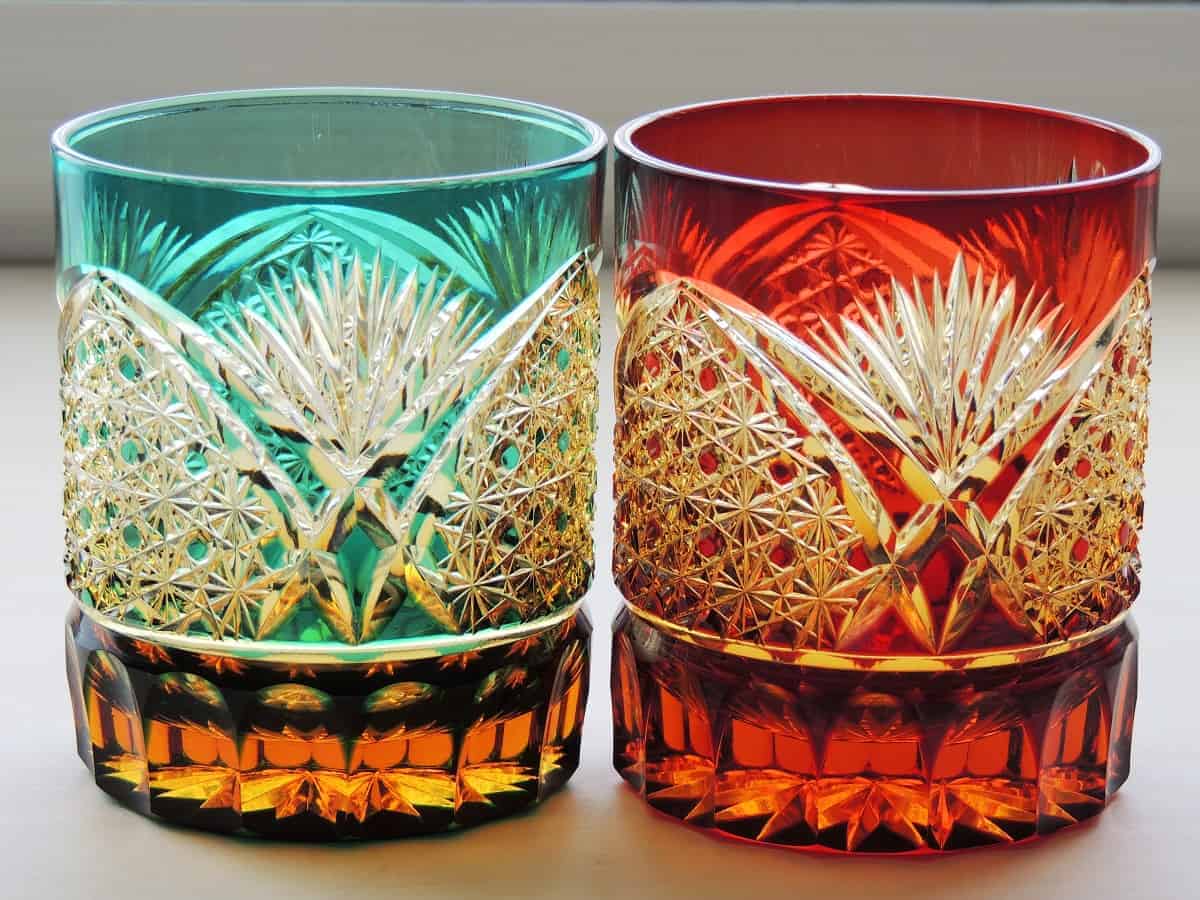
Understanding patterns requires learning their visual vocabulary. The hobstar, perhaps the most iconic motif, consists of a central star surrounded by deeply cut points radiating outward. The strawberry diamond pattern features small raised diamonds with a central printy. Russian patterns incorporate intersecting swirls forming geometric shapes.
Some of the most valuable pieces combine multiple patterns in harmonious ways. For example, a punch bowl might feature a hobstar base surrounded by strawberry diamond panels, topped with a notched prism border. This complexity of design separates superior pieces from basic examples.
Notable manufacturers developed signature patterns:
Hawkes created the "Panel" pattern in 1900, featuring deep parallel cuts forming architectural columns. Their "Byzantine" pattern combined Greek key borders with intricate geometric centers.
Dorflinger specialized in naturalistic patterns, their "Chrysanthemum" pattern particularly prized for its three-dimensional flower heads emerging from strawberry diamond backgrounds.
Libbey‘s "Columbia" pattern, introduced at the 1893 World‘s Fair, exemplified American technical superiority with its precise 30-point stars and intricate connecting motifs.
Current Market Analysis
The market for fine American Brilliant Period glass remains strong, with exceptional pieces reaching new highs at recent auctions. A signed Hawkes punch bowl with matching cups sold for [$18,500] at Christie‘s in 2023, while a rare Dorflinger centerpiece bowl achieved [$12,000] at Bonhams.
Mid-range pieces show steady appreciation. Quality 8-10 inch bowls from recognized manufacturers typically sell between [$800-2,500], depending on pattern complexity and condition. Smaller items like nappies or finger bowls range from [$100-400].
Regional variations affect pricing significantly. New England and Mid-Atlantic markets generally command premium prices due to stronger collector bases and historical connections to manufacturing centers. Midwest prices trend 15-20% lower, while West Coast markets show increasing strength as new collectors enter the field.
Building a Distinguished Collection
Successful collecting requires strategic focus. Consider specializing in:
Manufacturing Period: The American Brilliant Period offers the highest quality and investment potential. Early American glass (pre-1876) provides historical significance. Late period pieces (post-1917) offer accessibility for new collectors.
Pattern Types: Focusing on specific patterns or manufacturers allows deeper expertise development. Some collectors concentrate on rare patterns like Panel, Byzantine, or Aztec designs.
Forms: Specializing in specific forms like punch bowls, compotes, or decanters helps develop expert knowledge in particular areas.
Conservation and Care
Proper care preserves both beauty and value. Store pieces in stable environments avoiding temperature fluctuations. Clean using only lukewarm water and mild soap, never dishwashers or harsh chemicals. Handle pieces by the base or strongest points, never by stems or delicate edges.
Professional conservation may be necessary for significant pieces. Document any restoration work and maintain detailed condition reports. Insurance appraisals should be updated every 3-5 years to reflect market changes.
Investment Considerations
While appreciation potential exists, collect primarily for appreciation of the artistry. Document everything – original receipts, auction records, condition reports, and provenance details all add value. Build relationships with reputable dealers and auction houses.
Consider forming collector groups to share knowledge and acquisition opportunities. Many significant collections began through networking and shared expertise. The American Cut Glass Association provides excellent resources and networking opportunities.
Authentication Documentation
Maintain detailed records for each piece:
Physical Description: Measurements, weight, pattern identification, distinguishing characteristics
Condition Report: Note any damage, repairs, or alterations
Provenance: Previous ownership history, purchase details
Authentication: Expert opinions, certificates, comparative analysis
Photography: High-resolution images from multiple angles
Regional Market Opportunities
Different regions offer unique collecting opportunities. New England estate sales frequently yield significant pieces due to the area‘s historical wealth. The Midwest presents value opportunities, particularly in areas near former glass manufacturing centers. Southern markets show increasing sophistication with growing collector bases.
International markets present emerging opportunities. European collectors increasingly appreciate American Brilliant Period glass, while Asian markets show growing interest in exceptional pieces.
Looking Forward
The market for fine cut glass remains strong with particular strength in documented, exceptional pieces. New collectors continue entering the field, attracted by the combination of artistry, history, and investment potential. As supplies of premier pieces decrease, prices for the finest examples will likely continue rising.
Success in collecting requires patience, knowledge, and disciplined focus. Take time to handle many pieces, study pattern books, and learn from experienced collectors. Each piece tells a story of American artistic achievement and industrial capability during a remarkable period of innovation and craftsmanship.
Remember that first punch bowl that captured my attention years ago? It still holds pride of place in my collection, reminding me daily of the enduring beauty and remarkable artistry of American Brilliant Period cut glass. May you find similar joy in your collecting journey.