How Much is Ivory Worth? Understanding Value in a Complex Market
As a third-generation antique collector and international appraiser specializing in precious materials, I‘ve witnessed firsthand the dramatic shifts in ivory valuation over the past three decades. The worth of ivory today represents a complex intersection of historical significance, legal restrictions, and ethical considerations that shape both its monetary and cultural value.
The Historical Context of Ivory Value
The story of ivory‘s worth begins thousands of years ago, when this remarkable material first captured human imagination. Ancient civilizations prized elephant tusks for their unique properties – a material both strong and delicate, capable of holding intricate detail while maintaining structural integrity across centuries.
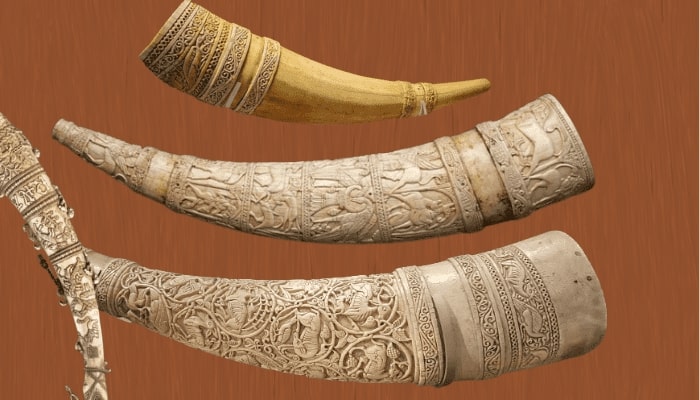
In ancient Rome, ivory commanded prices that exceeded gold by weight. During the height of the Roman Empire, a single carved ivory diptych could cost the equivalent of a small estate. This premium valuation continued through medieval times, with ivory religious artifacts becoming some of the most valuable portable artworks in Europe.
The 18th and 19th centuries saw ivory reach new price heights during colonial expansion. British trade records from 1875 show premium African elephant tusks selling for £100 per hundredweight (approximately 50.8 kg) – equivalent to roughly $15,000 in today‘s currency. Japanese ivory carvings, particularly netsuke, commanded astronomical sums during the Meiji period, with master-carved pieces selling for amounts that could support an artisan family for years.
Current Market Dynamics
Today‘s ivory market operates under strict international regulations that fundamentally alter how we assess value. The 1989 CITES ban on international commercial ivory trade created two distinct markets: legally-owned antique ivory and modern illegal ivory. This division makes determining true market value particularly challenging.
Raw ivory prices on illegal markets, while not condoned, provide context for understanding overall valuation. Recent data indicates prices ranging from $597 to $689 per kilogram in Asian markets, while African sources report lower figures around $92 per kilogram. However, these numbers tell only part of the story.
Legally tradeable antique ivory commands significantly higher prices, particularly for pieces with impeccable provenance. A genuine 18th-century Japanese netsuke with documented history might sell for $15,000 to $50,000 at prestigious auction houses. Chinese imperial pieces from the Qing dynasty have achieved even more remarkable figures, with some exceptional pieces crossing the million-dollar threshold.
Authentication and Valuation Methodology
Determining authentic ivory requires extensive expertise and often scientific analysis. The most reliable visual indicator remains the distinctive Schreger lines – unique angular patterns visible in cross-sections of elephant ivory. These lines intersect to form angles less than 115 degrees in African elephant ivory and greater than 115 degrees in mammoth ivory.
Modern authentication often employs multiple techniques:
- UV fluorescence examination reveals characteristic blue-white glow
- Microscopic analysis identifies specific structural patterns
- Hot needle tests (though discouraged for valuable pieces) can confirm organic material
- Carbon-14 dating establishes age for questioned pieces
The value assessment process considers multiple factors beyond material authenticity:
Physical Characteristics:
The size and quality of the ivory itself forms the baseline. Larger, uncracked pieces command premium prices. Natural patina, developed over decades or centuries, adds significant value when genuine.
Artistic Merit:
Carving quality dramatically impacts worth. Master-carved pieces showing exceptional detail, particularly those with documented attribution to known artists or workshops, can multiply base material value tenfold or more.
Historical Significance:
Pieces with documented royal or notable provenance, particularly those featured in published collections or exhibitions, carry substantial premiums. Imperial Chinese pieces with palace marks or Japanese works with original signed wooden boxes represent the market‘s peak.
Legal Framework and Regional Variations
Understanding current ivory regulations proves essential for accurate valuation. The legal framework varies significantly by region:
United States:
Federal regulations permit sale of documented antique ivory (over 100 years old) meeting specific criteria. State laws add complexity – California, New York, and Hawaii maintain complete bans, while other states follow federal guidelines.
European Union:
The EU allows trade in antique ivory pre-dating 1947 between member states. Items from 1947-1990 require government certification. Modern ivory trade faces complete prohibition.
United Kingdom:
Recent legislation implements among the strictest controls globally, permitting only museum-quality pieces with exceptional artistic or cultural significance.
Asian Markets:
China‘s domestic ivory ban transformed the regional market. Hong Kong‘s phase-out concludes in 2021, while Japan maintains limited legal domestic trade.
Documentation and Provenance
Proper documentation increasingly determines marketability and value. Essential records include:
Ownership History:
Documented chain of custody, particularly pre-ban ownership, substantially impacts value. Auction records, insurance documents, and family correspondence all contribute to establishing provenance.
Import/Export Documentation:
Historical customs declarations and shipping records help verify legal status and age.
Scientific Analysis:
Professional authentication reports, particularly from recognized laboratories, add significant value assurance.
Investment Considerations
While ethical considerations make ivory controversial as an investment vehicle, understanding value trends remains important for collectors and institutions managing historical pieces.
Market data shows antique ivory prices generally maintaining value despite increasing restrictions. Museum-quality pieces with impeccable documentation continue appreciating, while lesser items face declining demand.
Risk factors include:
- Increasing regulation may limit future sales options
- Authentication costs continue rising
- Insurance and secure storage expenses grow
- Public sentiment affects institutional collecting policies
Conservation Impact and Future Outlook
The elephant population crisis directly influences ivory valuation. African elephant numbers dropped from millions to approximately 415,000 today, while Asian elephants number roughly 50,000. This tragic decline shapes both market dynamics and ethical considerations.
Conservation efforts impact future market expectations. Successful elephant population recovery programs may eventually reduce pressure on existing ivory stocks. However, strengthening international restrictions suggest continued market contraction.
Practical Guidance for Collectors
For those managing historical ivory pieces, several considerations prove essential:
Storage and Preservation:
Maintain stable temperature and humidity levels. Avoid direct sunlight and extreme conditions. Regular professional inspection helps prevent deterioration.
Documentation Management:
Maintain comprehensive records including photographs, authentication reports, and ownership history. Digital backup ensures long-term preservation of crucial documentation.
Insurance Coverage:
Specialized fine art insurance provides necessary protection. Regular professional appraisals ensure adequate coverage levels.
Conclusion
The worth of ivory today reflects a complex matrix of historical value, legal restrictions, and ethical considerations. While raw ivory commanded premium prices historically, current market value centers on documented antique pieces with exceptional artistic or cultural significance. Understanding this evolving landscape proves essential for collectors, institutions, and market participants managing historical ivory objects.
The future of ivory valuation will likely see continued emphasis on documentation and provenance, with premium prices maintained only for exceptional pieces with impeccable records. This trajectory reinforces the importance of proper authentication, documentation, and preservation practices for existing collections while acknowledging the crucial importance of elephant conservation efforts.