Most Valuable 2 Cent Stamp Value (Worth Up to $25,000)
The world of stamp collecting holds countless treasures, but few pieces capture the imagination quite like the two-cent stamp. As an antique stamp collector with over two decades of experience, I‘ve watched these modest postal artifacts grow from simple mail necessities into prized investments worth thousands of dollars.
The Rich History Behind the Two-Cent Stamp
The story of the two-cent stamp mirrors the evolution of American postal service itself. In the early 1800s, sending mail was an uncertain and costly affair. Recipients, not senders, paid for delivery – a system that led to frequent refusals and lost revenue. The introduction of prepaid postage stamps in 1847 marked a revolutionary change in mail delivery.
The two-cent stamp made its debut in 1863, during a time of significant postal reform. The initial design featured President Andrew Jackson in stark black ink, giving rise to the nickname "Blackjack." These early stamps were printed using intricate line-engraving techniques that made counterfeiting difficult. The paper came from specialized manufacturers who incorporated silk fibers into the material – an early security measure that helps authenticate genuine specimens today.
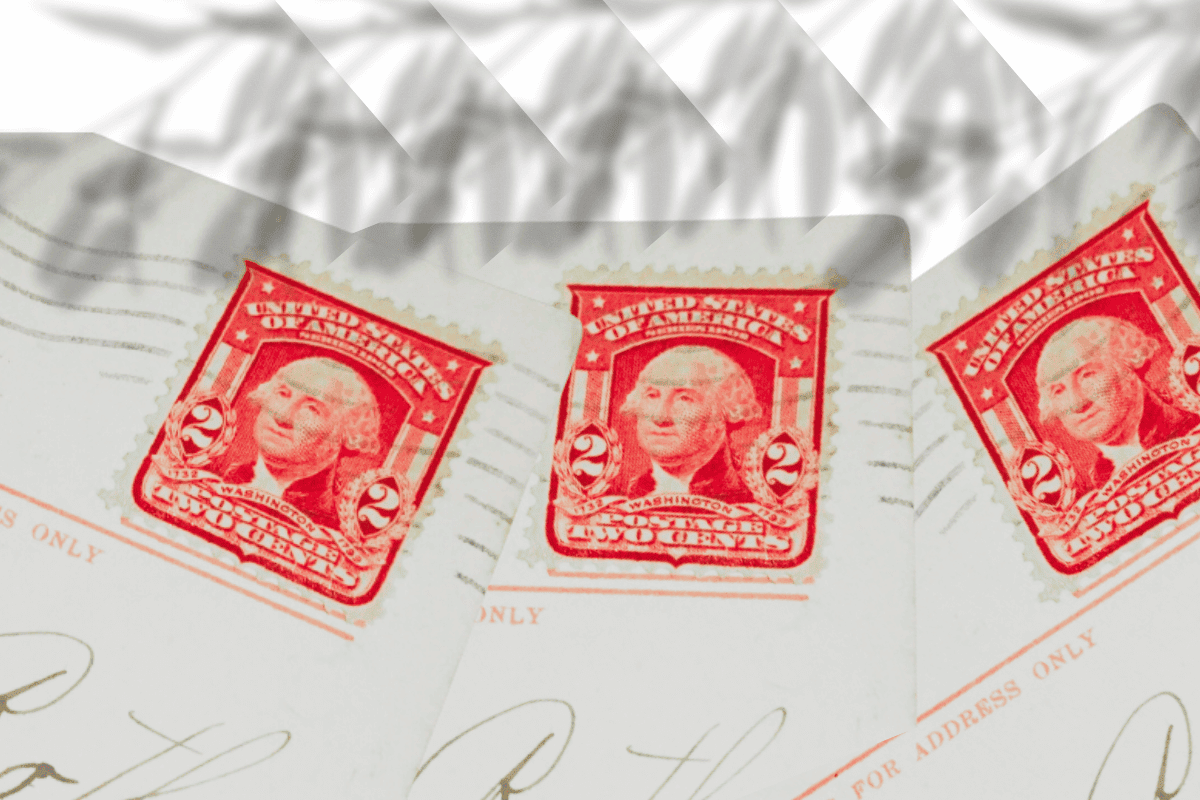
In 1883, the Post Office Department introduced what would become the iconic Washington Red design. The shift from black to red ink wasn‘t merely aesthetic – red pigments contained unique chemical properties that made unauthorized reproduction more challenging. The Washington design remained standard until 1932, with brief interruptions during World War I when postal rates increased to three cents.
Understanding Two-Cent Stamp Variations
The value of two-cent stamps varies dramatically based on several factors. The earliest Blackjack stamps typically command higher prices due to their historical significance and relative scarcity. The Washington Reds offer remarkable variety, with subtle differences in paper, watermarks, and printing methods creating distinct collectible categories.
Key printing variations include:
The 1908-1909 double-line watermark specimens remain particularly sought-after. These stamps feature a distinctive USPS watermark visible when held to light. Only a small number were produced before the Post Office switched to a single-line watermark format.
The 1890s "triangle" stamps present another fascinating variation. These specimens show minute triangular marks in the upper corners – a quality control measure that makes them particularly valuable to specialized collectors.
Market Analysis and Investment Potential
The two-cent stamp market demonstrates remarkable stability compared to other collectibles. While prices fluctuate, the overall trend shows steady appreciation, particularly for premium specimens. Recent auction data reveals several notable patterns:
The finest known Blackjack examples regularly fetch $15,000-$25,000, with exceptional specimens occasionally exceeding these figures. Washington Reds in pristine condition typically sell for $5,000-$15,000, depending on specific characteristics and provenance.
Regional markets show interesting variations. Northeast U.S. auctions often achieve higher prices for early specimens, while Western markets frequently value usage examples from territorial post offices. International collectors, particularly from Europe and Asia, increasingly compete for premium pieces, driving prices upward for the finest examples.
Authentication and Grading
Determining authenticity requires careful examination of multiple characteristics. Under magnification, genuine stamps reveal precise line work and consistent ink density. The paper itself tells an important story – early specimens used distinctive materials with specific fiber patterns and thickness measurements.
Professional grading services employ standardized criteria:
Centering remains paramount, with perfectly centered examples commanding substantial premiums. Paper quality assessment includes fiber analysis and thickness measurements accurate to thousandths of a millimeter. Gum condition on unused specimens requires particular scrutiny – original gum in pristine condition can multiply a stamp‘s value several times over.
Conservation and Preservation
Proper conservation proves essential for maintaining value. Temperature and humidity control form the foundation of good preservation practice. I recommend keeping stamps in archival-quality holders within environments maintaining 68-72°F and 45-55% relative humidity.
UV protection deserves special attention. Even brief exposure to direct sunlight can fade inks and damage paper fibers. Use UV-filtering sleeves and store collections away from windows and artificial light sources.
Handle stamps minimally and always with clean, dry hands or specialized tongs. Never attempt to "improve" specimens through cleaning or restoration – such efforts invariably reduce value and can permanently damage historic pieces.
Notable Sales and Record Prices
Several remarkable sales highlight the potential value of premium two-cent stamps:
The "Perfect Washington" – a flawless 1883 specimen with original gum sold for $23,500 in 2022. Its exceptional centering and pristine condition made it particularly desirable to advanced collectors.
A block of four unused Blackjacks achieved $47,500 at auction in 2021. The block‘s rarity and outstanding preservation justified its remarkable price.
The "Territory Triple" – three connected Washington Reds with clear Montana Territory cancellations – brought $18,750 in 2023, demonstrating the premium market for historically significant usage examples.
Investment Strategies
For those considering two-cent stamps as investments, I recommend several approaches:
Focus on quality over quantity. One premium specimen often appreciates more reliably than multiple average examples. Research provenance carefully – documented ownership history adds value and provides crucial authentication support.
Build relationships with reputable dealers and auction houses. Their expertise proves invaluable in identifying genuine investment opportunities and avoiding problematic specimens.
Consider specialized collecting areas. Territorial usages, unusual cancellations, or specific printing varieties often offer stronger appreciation potential than general collections.
Market Outlook and Future Trends
The two-cent stamp market shows promising signs for continued growth. Demographics suggest increasing interest from younger collectors, particularly in Asia and emerging markets. Digital documentation and certification technologies are improving market transparency and reducing authentication concerns.
Supply naturally diminishes as specimens are damaged or permanently archived in institutional collections. This gradual reduction in available material, combined with steady collector demand, supports long-term price appreciation for premium examples.
Starting Your Collection
For new collectors interested in two-cent stamps, I suggest beginning with mid-grade Washington Reds from the 1890-1920 period. These remain relatively affordable while offering good potential for appreciation. Learn to identify key characteristics and variations before investing in premium specimens.
Join philatelic societies and attend stamp shows to build knowledge and connections. Consider working with an experienced dealer who can guide your early purchases and help avoid common pitfalls.
Final Thoughts
The two-cent stamp market offers fascinating opportunities for both collectors and investors. These modest pieces of postal history combine historical significance, artistic merit, and genuine rarity in their finest examples. Whether pursuing them for pleasure or profit, understanding their nuances proves essential for success in this specialized field.
Remember that condition remains paramount – a superior example of a common stamp often proves more valuable than a damaged rarity. Take time to learn, build relationships within the collecting community, and approach the market with patience and knowledge.
The future looks bright for two-cent stamp collecting, with strong fundamentals supporting continued interest and value appreciation. For those willing to invest time in learning and careful selection, these fascinating pieces of American postal history offer both pleasure and potential profit.