The Ultimate Guide to Domain Names: Understanding the Internet‘s Address System
The Foundation of Online Identity
Every second, over 100,000 domain name queries traverse the internet‘s infrastructure. These digital addresses form the foundation of our online world, yet many website owners don‘t fully grasp their complexities and opportunities.
Understanding Domain Architecture
The Technical Layer
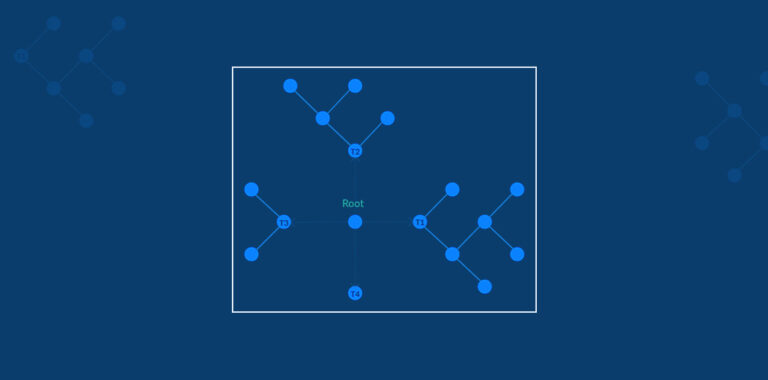
Domain names work through a hierarchical system:
Root Level: .
↓
Top Level: .com, .org, .net
↓
Second Level: yoursite.com
↓
Subdomain: blog.yoursite.com
DNS Record Types and Their Functions
Common DNS records include:
| Record Type | Purpose | Example |
|---|---|---|
| A Record | Maps hostname to IPv4 | 192.168.1.1 |
| AAAA Record | Maps hostname to IPv6 | 2001:db8::1 |
| CNAME | Creates domain alias | www → @ |
| MX | Directs email | 10 mail.server.com |
| TXT | Text information | SPF, DKIM records |
Domain Name Market Analysis
Recent market research shows:
- Total registered domains: 373.1 million (Q4 2023)
- Annual growth rate: 3.7%
- New registrations per day: 250,000+
TLD Market Share (2024):
- .com – 53.2%
- ccTLDs – 27.8%
- .net – 4.1%
- .org – 3.9%
- New gTLDs – 11%
Strategic Domain Selection
Brand Protection Strategy
Implement a multi-layered approach:
-
Primary Domain Protection
- Register main TLDs (.com, .net, .org)
- Secure common misspellings
- Register plural/singular variants
-
Geographic Coverage
- Register relevant ccTLDs
- Consider regional markets
- Plan for expansion
-
Industry-Specific Protection
- Secure vertical-specific TLDs
- Register competitor-adjacent domains
- Protect trademark variations
Domain Value Metrics
Factors affecting domain worth:
-
Length Characteristics
- Characters: 4-12 optimal
- Syllables: 2-3 ideal
- Pronunciation ease
-
Market Factors
- Industry relevance
- Search volume
- Commercial intent
-
Technical Elements
- Age of domain
- Backlink profile
- Traffic history
Technical Infrastructure
DNS Propagation Understanding
Propagation times vary by record type:
| Record Type | Typical Propagation | Maximum Time |
|---|---|---|
| A Record | 1-2 hours | 48 hours |
| MX Record | 2-4 hours | 72 hours |
| CNAME | 1-2 hours | 48 hours |
| TXT | 2-4 hours | 72 hours |
Advanced DNS Configurations
Load Balancing Setup
Primary DNS:
ns1.provider.com → Weight: 70%
Secondary DNS:
ns2.provider.com → Weight: 30%
Geographical Routing
Implementation example:
Europe: eu.yoursite.com → 185.85.85.85
Asia: asia.yoursite.com → 186.86.86.86
Americas: us.yoursite.com → 187.87.87.87
SEO and Domain Strategy
Impact Analysis
Domain factors affecting SEO:
-
Age Influence
- Established domains: +15% trust signals
- New domains: 6-12 month proving period
-
Keyword Relevance
- Exact match: Limited impact
- Partial match: Natural inclusion beneficial
- Branded: Strong long-term value
-
TLD Considerations
- .com: Highest trust score
- ccTLDs: Strong regional signals
- New gTLDs: Growing acceptance
Mobile Optimization
Mobile considerations:
-
Domain Length
- Mobile optimal: 6-14 characters
- Touch-friendly: Avoid numbers/hyphens
- Memorable: Simple pronunciation
-
Technical Setup
- Responsive design indicators
- Mobile-first indexing signals
- Loading speed optimization
Security and Management
Protection Measures
Essential security protocols:
-
DNS Security
- DNSSEC implementation
- Registry locks
- Multi-factor authentication
-
Monitoring Systems
- Uptime tracking
- DNS health checks
- Security scanning
-
Backup Procedures
- Secondary DNS
- Configuration backups
- Recovery documentation
Management Framework
Operational checklist:
Daily:
- Uptime monitoring
- Security scans
- Performance checks

Weekly:
- DNS record review
- SSL certificate check
- Backup verification

Monthly:
- Full security audit
- Performance optimization
- Documentation update
Future Trends and Innovations
Emerging Technologies
-
Blockchain Integration
- Decentralized domains
- Smart contract implementation
- Cryptocurrency addressing
-
AI Applications
- Predictive DNS routing
- Automatic optimization
- Security threat detection
-
Privacy Developments
- Enhanced WHOIS protection
- Zero-knowledge systems
- Encrypted DNS queries
Market Predictions
Growth projections:
| Year | Total Domains | Growth Rate |
|---|---|---|
| 2024 | 373M | 3.7% |
| 2025 | 387M | 3.8% |
| 2026 | 402M | 3.9% |
Expert Recommendations
Investment Strategy
-
Portfolio Development
- Core defensive registrations
- Strategic market opportunities
- Long-term value holds
-
Management Optimization
- Consolidated registrar accounts
- Automated renewal systems
- Regular portfolio review
-
Risk Mitigation
- Legal compliance monitoring
- Trademark watching
- Market trend analysis
Best Practices Implementation
Operational framework:
-
Registration Process
- Thorough availability check
- Trademark verification
- Privacy protection setup
-
Technical Setup
- DNS configuration
- SSL installation
- Performance optimization
-
Ongoing Management
- Regular audits
- Security updates
- Documentation maintenance
Conclusion
Domain names remain the fundamental building blocks of internet identity. Understanding their technical aspects, market dynamics, and management requirements is crucial for online success. By implementing comprehensive strategies and staying current with emerging trends, organizations can maximize their domain investments while maintaining security and performance.
Remember: Your domain strategy should align with your overall digital presence goals, considering both current needs and future growth opportunities. Regular review and adjustment of your domain portfolio ensures continued effectiveness in an evolving digital landscape.