Mastering Deep Learning Image Classification with Keras in R: A Comprehensive Exploration
The Fascinating World of Computer Vision
Imagine standing at the intersection of human perception and technological innovation. This is precisely where image classification resides – a remarkable domain where machines learn to "see" and understand visual information much like the human brain.
As an artificial intelligence researcher who has spent years exploring the intricate landscapes of machine learning, I‘ve witnessed extraordinary transformations in how computers interpret visual data. The journey of image classification is not just about algorithms; it‘s a profound narrative of technological evolution.
The Genesis of Machine Perception
When computers first encountered images, they saw nothing more than pixel grids – a meaningless array of numerical values. Today, sophisticated neural networks can recognize complex patterns, distinguish subtle variations, and make intelligent decisions with remarkable accuracy.
R, often overlooked in the machine learning conversation, has emerged as a powerful platform for deep learning image classification. Its statistical computing heritage and robust ecosystem provide researchers with an exceptional toolkit for developing sophisticated visual recognition systems.
Understanding Convolutional Neural Networks: Beyond Simple Algorithms
Convolutional Neural Networks (CNNs) represent more than just mathematical constructs; they are biomimetic architectures inspired by the human visual cortex. These networks don‘t merely process images – they learn hierarchical representations, extracting increasingly complex features from raw visual data.
The Architectural Symphony
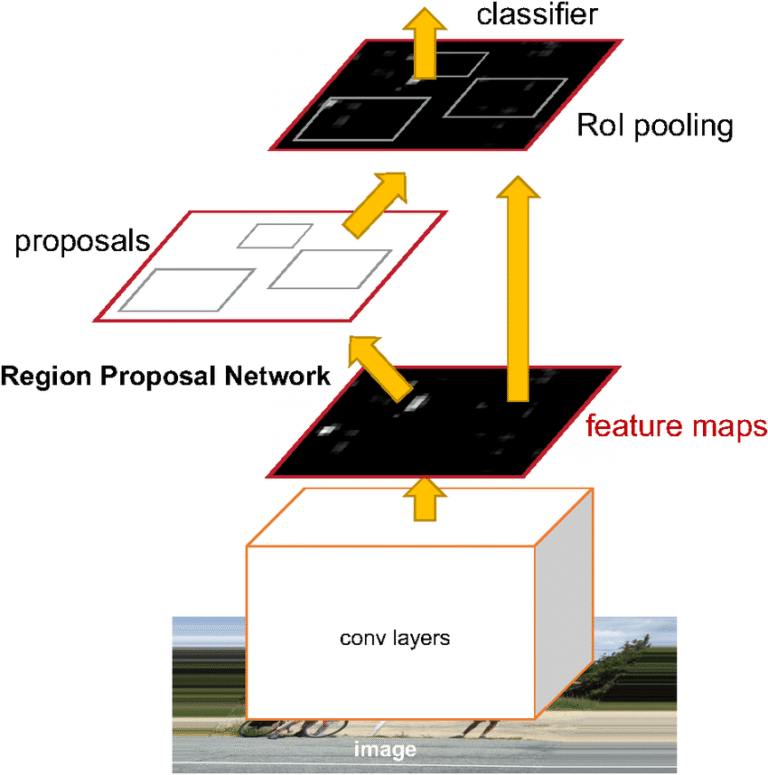
Consider a CNN as an intricate orchestra where each layer plays a specialized role. The initial layers detect basic elements like edges and textures, while deeper layers synthesize these fundamental components into sophisticated representations of objects and scenes.
[f(x) = \max(0, \sum_{i} w_i x_i + b)]This simple activation function represents the fundamental mechanism through which neural networks learn – transforming input signals into meaningful outputs.
R‘s Unique Positioning in Deep Learning Landscape
While Python has dominated machine learning discussions, R offers distinctive advantages that make it a compelling choice for image classification projects:
- Statistical Foundations: R‘s roots in statistical computing provide nuanced data manipulation capabilities.
- Visualization Excellence: Unparalleled graphical representation tools for model analysis.
- Comprehensive Ecosystem: Rich libraries supporting complex machine learning workflows.
Practical Implementation Strategy
Let‘s dive into a comprehensive implementation approach that transcends traditional tutorial formats.
# Advanced Image Preprocessing Function
preprocess_images <- function(image_directory, target_size = c(224, 224)) {
  image_files <- list.files(image_directory, full.names = TRUE)

  processed_images <- lapply(image_files, function(img_path) {
    # Advanced preprocessing with data augmentation
    img <- image_load(img_path, target_size = target_size)
    img_array <- image_to_array(img)
    img_array <- img_array / 255.0  # Normalized pixel scaling

    # Random transformations
    if(runif(1) > 0.5) {
      img_array <- flip_horizontal(img_array)
    }

    return(img_array)
  })

  array_reshape(do.call(abind, processed_images),
                c(-1, target_size, 3))
}
Navigating Complex Model Architectures
Designing an effective CNN requires understanding intricate architectural considerations. It‘s not just about stacking layers; it‘s about creating an intelligent information processing pipeline.
Transfer Learning: Accelerating Model Development
Modern deep learning practitioners leverage pre-trained models as foundational knowledge repositories. By utilizing architectures like VGG16 or ResNet, researchers can dramatically reduce training time and improve performance.
Performance Optimization: A Holistic Approach
Developing high-performance image classifiers demands more than technical skills – it requires a strategic mindset. Consider these advanced optimization strategies:
- Dynamic learning rate scheduling
- Sophisticated regularization techniques
- Intelligent batch normalization
- Advanced dropout mechanisms
Ethical Considerations in Machine Perception
As we push technological boundaries, ethical considerations become paramount. Image classification technologies must be developed responsibly, considering potential biases and societal implications.
Challenges and Opportunities
The path of machine learning is not linear but exponential. Each breakthrough opens doors to unprecedented possibilities across healthcare, autonomous systems, scientific research, and beyond.
Real-World Application Scenarios
Imagine diagnosing medical conditions through advanced image analysis, detecting agricultural crop diseases, or enabling autonomous vehicles to navigate complex environments. These are not futuristic fantasies but emerging realities powered by sophisticated image classification technologies.
Future Horizons
The next decade will witness transformative advancements in machine perception. Quantum computing, neuromorphic engineering, and advanced neural network architectures will redefine our understanding of artificial visual intelligence.
Continuous Learning Mindset
Success in deep learning demands perpetual curiosity. Embrace challenges, experiment fearlessly, and remain committed to understanding technological nuances.
Conclusion: Your Learning Journey Begins
Image classification represents more than a technical discipline – it‘s a gateway to understanding how machines can perceive and interpret the visual world. Your journey starts with curiosity, persistence, and a willingness to explore complex technological landscapes.
Remember, every sophisticated algorithm began as a simple idea nurtured by passionate researchers like yourself.
Happy exploring!