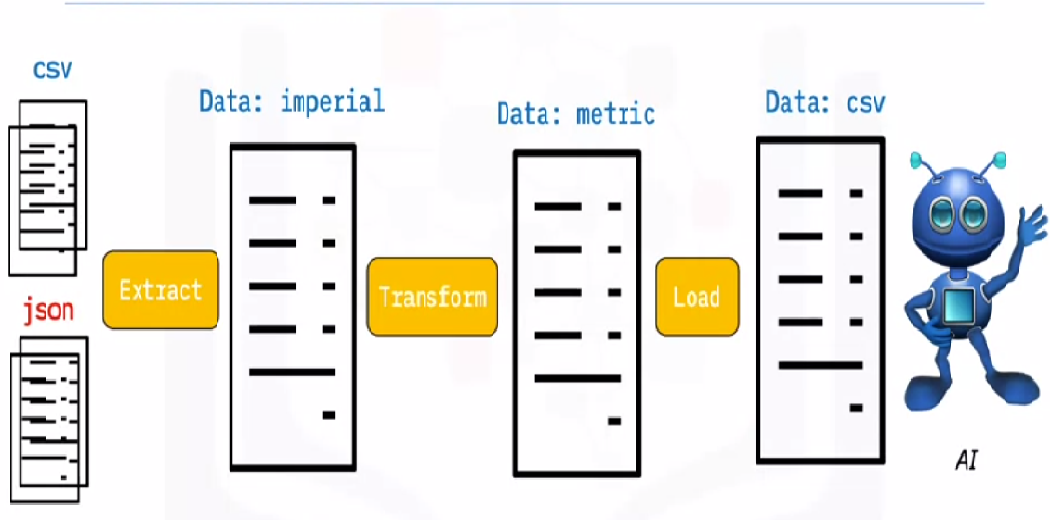
ETL Process: A Data Engineer‘s Comprehensive Guide to Transforming Raw Information
The Art of Digital Alchemy: Understanding ETL in the Modern Data Landscape
Imagine standing before a vast warehouse filled with scattered, unorganized artifacts from different eras, cultures, and origins. As a data engineer, your mission resembles that of an expert archaeologist – transforming raw, chaotic information into a coherent, meaningful narrative. This is the essence of Extract, Transform, Load (ETL) processes.
A Journey Through Data Transformation
Data engineering isn‘t just about moving bits and bytes; it‘s about understanding the story hidden within complex datasets. Each data point carries a whisper of information, waiting to be decoded, cleaned, and assembled into a comprehensive understanding.
The Historical Evolution of ETL
The concept of ETL isn‘t new. It emerged in the 1970s when businesses first recognized the need to consolidate information from multiple sources. Initially, ETL was a manual, time-consuming process involving physical data entry and complex spreadsheet manipulations.
Technological Milestones
- 1970s: Manual data consolidation
- 1980s: First database management systems
- 1990s: Initial ETL software solutions
- 2000s: Cloud-based data warehousing
- 2010s: Big data and distributed computing
- 2020s: AI-powered ETL processes
Python: The Modern Alchemist‘s Toolkit
Python has revolutionized ETL processes, providing data engineers with powerful, flexible tools to transform raw data into actionable insights. Its extensive library ecosystem makes complex data transformations feel almost magical.
Crafting Elegant ETL Solutions
class DataAlchemist:
    def __init__(self, data_sources):
        self.sources = data_sources
        self.processed_data = None

    def extract(self):
        """Retrieve data from multiple sources"""
        extracted_datasets = []
        for source in self.sources:
            dataset = self._load_source(source)
            extracted_datasets.append(dataset)
        return extracted_datasets

    def transform(self, datasets):
        """Clean, standardize, and prepare data"""
        processed_datasets = []
        for dataset in datasets:
            cleaned_data = self._apply_transformations(dataset)
            processed_datasets.append(cleaned_data)
        return processed_datasets

    def load(self, processed_datasets):
        """Store transformed data in target system"""
        for dataset in processed_datasets:
            self._save_to_warehouse(dataset)
Psychological Dimensions of Data Engineering
Data engineering transcends technical skills. It requires a unique blend of analytical thinking, creativity, and empathy. You‘re not just processing numbers; you‘re uncovering human stories embedded within complex datasets.
The Emotional Intelligence of Data
Successful data engineers understand that behind every data point is a human experience. Whether tracking customer behaviors, analyzing medical records, or monitoring industrial processes, data tells a story of human interactions and systemic patterns.
Advanced ETL Techniques
Machine Learning Integration
Modern ETL processes are increasingly incorporating machine learning techniques for intelligent data preprocessing. Imagine an ETL pipeline that doesn‘t just transform data but learns from its transformations, continuously improving its processing strategies.
def intelligent_data_preprocessing(raw_data):
    """ML-enhanced data transformation"""
    anomaly_detector = AnomalyDetectionModel()
    feature_extractor = AutomaticFeatureEngineering()

    # Detect and handle data anomalies
    cleaned_data = anomaly_detector.process(raw_data)

    # Automatically generate meaningful features
    enriched_data = feature_extractor.transform(cleaned_data)

    return enriched_data
Real-World ETL Challenges and Solutions
Healthcare Data Integration
Consider a scenario where a hospital needs to consolidate patient records from multiple systems. The ETL process becomes critical in ensuring data accuracy, patient privacy, and seamless information flow.
Key challenges include:
- Diverse data formats
- Strict compliance requirements
- Complex data relationships
- Performance optimization
Performance and Scalability Considerations
As datasets grow exponentially, ETL processes must evolve. Modern solutions leverage:
- Distributed computing frameworks
- Cloud-based infrastructure
- Parallel processing techniques
- Intelligent caching mechanisms
Ethical Considerations in Data Engineering
Data engineers wield significant power. With access to vast information repositories, ethical considerations become paramount. Responsible data handling involves:
- Protecting individual privacy
- Ensuring data accuracy
- Preventing misuse of information
- Maintaining transparency
Future of ETL: Emerging Trends
AI-Driven Data Transformation
The next frontier of ETL involves self-learning systems that can:
- Automatically detect data patterns
- Predict potential transformation needs
- Optimize processing pipelines
- Adapt to changing data landscapes
Conclusion: Beyond Technical Processes
ETL is more than a technical procedure. It‘s an art form that bridges human experiences with technological capabilities. As a data engineer, you‘re not just moving data; you‘re translating complex narratives into actionable insights.
Your journey in data engineering is a continuous learning experience. Embrace complexity, remain curious, and always seek to understand the stories hidden within data.
Recommended Learning Path
- Master Python programming
- Understand database systems
- Learn cloud computing
- Study machine learning fundamentals
- Practice continuous skill development
Remember, great data engineering is about curiosity, creativity, and the relentless pursuit of understanding.