The Evolution and Impact of Webcams: From Novelty to Necessity
In our increasingly interconnected world, webcams have undergone a remarkable transformation from curious gadgets to indispensable tools for communication, content creation, and security. This comprehensive exploration delves into the intricate workings of webcams, their myriad applications, and the profound ways they've revolutionized our online interactions.
The Inner Workings of Webcams
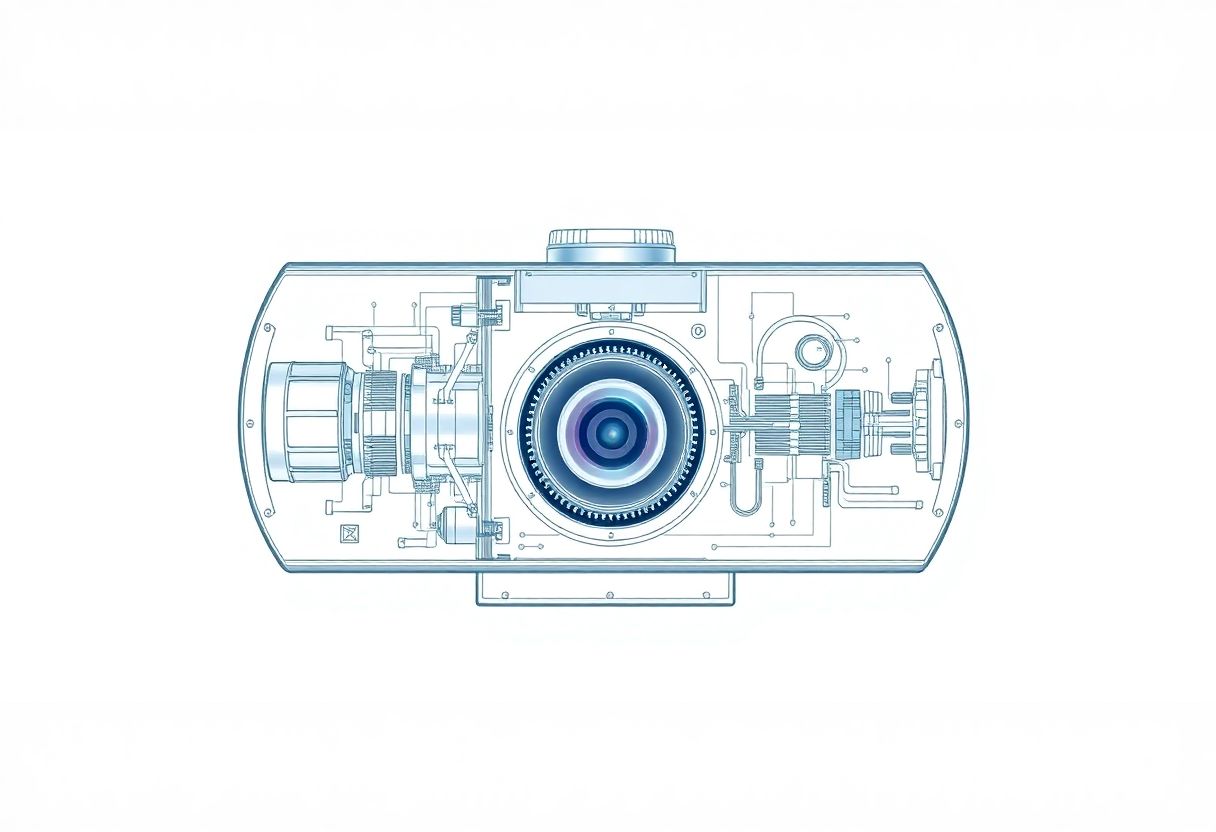
At its core, a webcam is a compact digital camera designed to capture and transmit images in real-time. To truly understand how webcams function, we must examine their key components and processes.
The Lens: The Webcam's Eye
The lens serves as the webcam's "eye," focusing light onto the image sensor. While most consumer-grade webcams employ fixed-focus lenses, higher-end models often feature autofocus capabilities. These lenses typically have a focal length between 3-6mm, providing a field of view between 60-90 degrees – ideal for capturing a user seated at a desk.
The Image Sensor: Heart of the Webcam
The image sensor is the critical component that converts light into electrical signals. Modern webcams predominantly use CMOS (Complementary Metal-Oxide-Semiconductor) sensors due to their lower power consumption and reduced manufacturing costs compared to CCD (Charge-Coupled Device) sensors.
These CMOS sensors contain millions of light-sensitive pixels arranged in a grid pattern. When light strikes these pixels, they generate electrical charges proportional to the intensity of the incoming light. The number of pixels on the sensor determines the webcam's maximum resolution. For instance, a 720p HD webcam typically has a sensor with around 1 million pixels (1280 x 720), while a 4K webcam boasts over 8 million pixels (3840 x 2160).
Analog to Digital Conversion
Once the image sensor captures the light information, it must be converted from analog electrical signals into digital data that computers can process. This conversion is performed by an Analog-to-Digital Converter (ADC) chip within the webcam.
The ADC samples the analog signal at regular intervals, typically thousands of times per second, and assigns each sample a digital value. The bit depth of this conversion affects the color accuracy and dynamic range of the final image. Most webcams use 8-bit color depth, providing 256 levels for each color channel (red, green, and blue), resulting in over 16 million possible colors.
Data Transmission and Processing
After digitization, the image data is transmitted to the computer via a USB connection or, increasingly, through wireless technologies like Wi-Fi or Bluetooth. USB 2.0 connections can transfer data at up to 480 Mbps, while USB 3.0 increases this to 5 Gbps, allowing for higher resolution and frame rates.
Once received by the computer, the raw image data undergoes further processing. This may include color correction, noise reduction, and compression to reduce file size for streaming or storage. Many modern webcams include built-in image signal processors (ISPs) to handle some of this processing on-device, reducing the load on the computer's CPU.
Webcams vs. Digital Cameras: A Technological Comparison
While webcams and digital cameras share some fundamental principles, they are optimized for different use cases. Understanding these differences helps explain why webcams excel in their specific applications.
Resolution and Image Quality
Digital cameras typically boast much higher resolutions than webcams. A mid-range DSLR or mirrorless camera might have a 24-megapixel sensor, while even high-end webcams rarely exceed 4 megapixels. This disparity is due to the different priorities of each device.
Webcams prioritize real-time video transmission, which requires processing and sending large amounts of data very quickly. Higher resolutions would demand more bandwidth and processing power than is typically available for video calls or live streaming. In contrast, digital cameras focus on capturing high-quality still images, where the time taken to process and store the image is less critical.
Frame Rate and Video Performance
Webcams are designed to deliver smooth video, typically operating at 30 or 60 frames per second (fps). Some high-end models can even achieve 120 fps for super-smooth motion. These higher frame rates are crucial for natural-looking video in real-time applications.
Digital cameras, while capable of video recording, often max out at 30 fps for full-resolution video. Higher frame rates are usually only available at reduced resolutions. This is because their primary function is still photography, where frame rate is less important.
Optics and Lens Systems
The lens systems in webcams and digital cameras differ significantly. Webcams typically use simple, fixed-focus lenses with a relatively wide field of view. This design ensures that the user remains in focus without the need for constant adjustments.
Digital cameras, on the other hand, often feature complex lens systems with multiple elements. Many use interchangeable lenses, allowing photographers to choose the optimal lens for different situations. These lenses can offer features like optical zoom, wide apertures for low-light performance, and precise manual focus control.
Low-Light Performance
Due to their larger sensors and more sophisticated optics, digital cameras generally outperform webcams in low-light conditions. However, webcam manufacturers have made significant strides in this area. Many modern webcams incorporate larger pixels on their sensors, which can capture more light. They also employ advanced image processing techniques to reduce noise and enhance brightness in dim environments.
For instance, the Logitech BRIO, a high-end webcam, uses HDR (High Dynamic Range) technology to balance exposure in challenging lighting conditions. It can capture usable video in as little as 1 lux of illumination – equivalent to a single candle's light.
Key Webcam Specifications and Technologies
When evaluating webcams, several key specifications and technologies come into play. Understanding these can help users make informed decisions based on their specific needs.
Resolution
Resolution remains one of the most important specifications for webcams. Common resolutions include:
- 720p HD (1280 x 720 pixels)
- 1080p Full HD (1920 x 1080 pixels)
- 4K Ultra HD (3840 x 2160 pixels)
Higher resolutions provide more detailed images but require more bandwidth and processing power. For most video conferencing applications, 1080p provides an excellent balance of quality and performance.
Frame Rate
Frame rate, measured in frames per second (fps), determines how smooth the video appears. Common frame rates include:
- 30 fps: Standard for most webcams, suitable for general use
- 60 fps: Provides smoother motion, ideal for fast-moving subjects or gaming streams
- 120 fps: Offers ultra-smooth motion, useful for slow-motion capture
Higher frame rates result in smoother video but require more processing power and bandwidth.
Field of View (FOV)
The field of view determines how much of the scene the webcam can capture. Typical FOVs range from 60 to 90 degrees, with some wide-angle webcams offering up to 120 degrees. A wider FOV can be beneficial for group video calls or capturing larger spaces.
Autofocus
While many webcams use fixed-focus lenses, higher-end models often include autofocus capabilities. Autofocus systems can use contrast detection or more advanced phase detection methods to keep subjects sharp, even as they move closer to or further from the camera.
Low-Light Correction
To improve performance in dimly lit environments, many webcams incorporate low-light correction technologies. These can include:
- Larger pixel sizes on the sensor to capture more light
- Noise reduction algorithms to clean up grainy images
- Automatic gain control to boost brightness in dark scenes
Microphone Technology
Audio quality is crucial for effective communication. Many webcams include built-in microphones with noise-cancellation features. Some advanced models use multiple microphones for stereo sound or to implement beamforming technology, which focuses on the speaker's voice while reducing background noise.
The Expanding Applications of Webcams
The versatility of webcams has led to their adoption in a wide range of applications, far beyond their original purpose of simple video chats.
Video Conferencing and Remote Work
The COVID-19 pandemic accelerated the adoption of remote work, making webcams an essential tool for businesses worldwide. High-quality webcams enable face-to-face communication, fostering collaboration and maintaining personal connections in a virtual environment.
For example, Zoom reported a staggering increase from 10 million daily meeting participants in December 2019 to over 300 million by April 2020, highlighting the crucial role of webcams in maintaining business continuity during unprecedented times.
Online Education and E-Learning
Webcams have become indispensable in the education sector, enabling distance learning and online courses. They allow for interactive lessons, one-on-one tutoring, and virtual classrooms. Platforms like Coursera and edX, which offer Massive Open Online Courses (MOOCs), rely heavily on webcam technology to deliver lectures and facilitate student-teacher interactions.
Live Streaming and Content Creation
The rise of platforms like Twitch, YouTube Live, and Facebook Live has created a booming industry around live streaming. Content creators use webcams to broadcast gameplay, tutorials, performances, and more to global audiences. According to Twitch Tracker, the platform saw an average of 2.78 million concurrent viewers in 2021, with countless streams powered by webcams.
Home Security and Monitoring
Webcams have found a significant niche in home security applications. They offer an affordable alternative to traditional security systems, allowing homeowners to monitor their property remotely. Many of these cameras include features like motion detection, night vision, and two-way audio communication.
Market research firm Strategy Analytics predicts that the global smart home security camera market will reach $9.7 billion by 2023, driven in part by the increasing adoption of webcam-based security solutions.
Scientific Research and Observation
In the scientific community, webcams have become valuable tools for long-term observation and data collection. They're used in various fields, including:
- Wildlife research: Monitoring animal behavior and populations without human interference
- Environmental science: Tracking changes in ecosystems, glaciers, or plant growth over time
- Astronomy: Capturing celestial events and monitoring space weather
For instance, the Yellowstone Volcano Observatory uses a network of webcams to monitor geothermal features and potential volcanic activity, providing researchers with continuous, real-time data.
Webcam Security and Privacy Considerations
As webcams become more prevalent in our daily lives, security and privacy concerns have grown correspondingly. Several high-profile incidents of webcam hacking have highlighted the importance of protecting these devices.
Potential Risks
Unsecured webcams can be exploited by malicious actors to:
- Spy on individuals in their homes or workplaces
- Capture sensitive information or personal moments
- Use compromised webcams as part of larger botnets for DDoS attacks
A 2020 report by Avast found over 100,000 unsecured webcams in the UK alone, underlining the scale of the potential security risk.
Best Practices for Webcam Security
To mitigate these risks, users should follow these best practices:
- Use strong, unique passwords for any accounts associated with your webcam
- Regularly update your webcam's firmware to patch potential vulnerabilities
- Consider using a webcam with a physical privacy shutter when not in use
- Be cautious about granting webcam access to applications or websites
- Use reputable antivirus software and keep your operating system updated
Regulatory Response
Governments and regulatory bodies have begun to address webcam security concerns. For example, the European Union's General Data Protection Regulation (GDPR) includes provisions that apply to webcams and other IoT devices, requiring manufacturers to implement appropriate security measures.
The Future of Webcam Technology
As technology continues to advance, we can expect webcams to become even more sophisticated and integrated into our daily lives.
Higher Resolutions and Improved Image Quality
While 4K webcams are already available, we're likely to see even higher resolutions become standard. 8K webcams, offering four times the detail of 4K, may become commonplace for professional applications. Additionally, advancements in sensor technology will likely lead to improved low-light performance and higher dynamic range.
AI-Enhanced Features
Artificial Intelligence will play an increasingly important role in webcam technology. We can expect to see more advanced:
- Face recognition for automated login and security applications
- Real-time background replacement without the need for a green screen
- Automatic framing and subject tracking to keep users centered and in focus
- Emotion recognition for enhanced interaction in virtual environments
Integration with AR and VR
As Augmented Reality (AR) and Virtual Reality (VR) technologies mature, webcams may evolve to play a crucial role in these immersive experiences. For example, advanced depth-sensing webcams could enable more accurate real-world object integration in AR applications or enhance hand tracking in VR environments.
Improved Wireless Capabilities
Future webcams are likely to become increasingly wireless, with improved Wi-Fi and 5G connectivity enabling high-quality video transmission without the need for physical cables. This could lead to more flexible camera placement and easier integration into smart home ecosystems.
Conclusion
From their humble beginnings as novelty devices, webcams have evolved into essential tools that shape how we communicate, work, learn, and secure our homes. Their impact extends across personal, professional, and scientific domains, fundamentally altering how we interact with the digital world.
As we look to the future, webcams will undoubtedly continue to advance, offering higher resolutions, smarter features, and more seamless integration into our daily lives. However, with these advancements come important considerations about privacy and security that we must address as a society.
Understanding the technology behind webcams, their capabilities, and their potential risks empowers us to make informed decisions about their use. Whether you're a casual user video chatting with friends, a professional conducting remote meetings, or a content creator broadcasting to a global audience, webcams offer a window to the world, connecting us in ways that were once the stuff of science fiction.
As we embrace the possibilities that webcams and related technologies offer, we must also remain vigilant about protecting our privacy and security. By doing so, we can fully harness the power of these remarkable devices while safeguarding our personal and professional lives in the digital age.