The Fascinating World of Sewing Machines: Unraveling the Mystery of Automated Stitching
Sewing machines are marvels of engineering that have revolutionized the textile industry and made home sewing accessible to millions. These ingenious devices transform mere thread and fabric into neatly stitched garments through an intricate dance of mechanical parts. But how exactly do they work their magic? Let's dive deep into the inner workings of sewing machines and explore the science and engineering behind these ubiquitous yet often misunderstood machines.
The Core Challenge: Mechanizing the Stitching Process
To truly appreciate the genius of sewing machines, we must first understand why they can't simply mimic human hand sewing. The running stitch used in hand sewing involves passing a needle completely through the fabric in alternating directions – a motion that's nearly impossible to replicate mechanically in a fast, continuous process.
Inventors had to develop an entirely new approach to creating stitches. Their solution, known as the lock stitch, uses two separate threads – one from above and one from below – to create a secure, interlocking stitch. This innovation forms the foundation of most modern sewing machines.
The Anatomy of a Sewing Machine
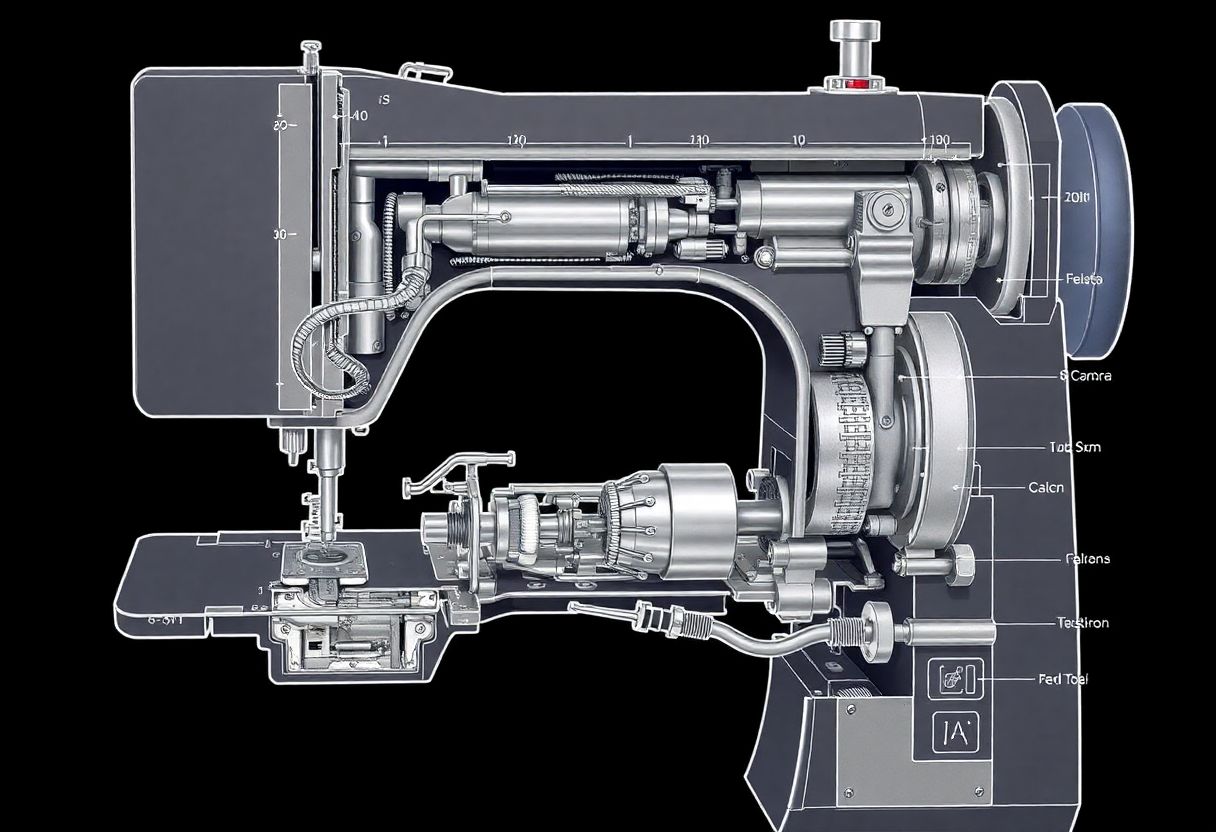
A typical modern sewing machine consists of several key components working in harmony:
- An electric motor
- A needle assembly
- A bobbin and shuttle mechanism
- A feed dog system
- Various controls and settings
Let's examine each of these elements in detail to understand their crucial roles in the stitching process.
The Heart of the Machine: The Lock Stitch Mechanism
The lock stitch is the cornerstone of machine sewing. Here's a step-by-step breakdown of how it works:
- The needle, threaded from above, pushes down through the fabric.
- As the needle begins to rise, it leaves behind a small loop of thread below the fabric.
- A rotating hook (part of the shuttle mechanism) catches this loop.
- The hook carries the upper thread around a second thread coming from the bobbin below.
- As the needle continues to rise, it pulls the upper thread tight, locking it with the lower thread inside the fabric.
This process occurs at astounding speeds – in most modern machines, between 800 to 1,000 stitches per minute. High-end industrial machines can achieve speeds of up to 5,000 stitches per minute!
The Needle Mechanism: Precision in Motion
The needle mechanism is driven by the machine's electric motor, which powers a main drive shaft. This shaft connects to a wheel and crankshaft, converting the motor's rotary motion into the up-and-down reciprocating motion of the needle.
The needle itself is a marvel of engineering. Modern sewing machine needles are precisely manufactured to incredibly tight tolerances. For example, a typical needle might have a diameter of just 0.7mm to 1.1mm, with the eye of the needle measuring a mere 0.3mm to 0.5mm in width.
The Bobbin and Shuttle: A Perfectly Timed Dance
The bobbin, a small spool of thread, is housed in a case called the shuttle. The shuttle's rotation is precisely synchronized with the needle's motion through a system of gears or pulleys connected to the main drive shaft.
In many machines, the shuttle actually rotates twice for every single up-and-down cycle of the needle. This 2:1 ratio ensures that the hook catches the upper thread loop at exactly the right moment, every time.
The Feed Dogs: Advancing the Fabric
The feed dog mechanism is responsible for moving the fabric through the machine between stitches. It uses two synchronized movements:
- An up-and-down motion to grip and release the fabric
- A back-to-front motion to advance the fabric
These movements are controlled by cams and levers connected to the main drive shaft. The distance the feed dogs move the fabric determines the stitch length. In many modern machines, this can be adjusted electronically, allowing for stitch lengths ranging from micro-stitches of less than 1mm to long basting stitches of 5mm or more.
Tension Control: The Key to Perfect Stitches
Proper thread tension is crucial for creating strong, balanced stitches. Most sewing machines use a tension disc system for the upper thread, combined with a spring-loaded case for the bobbin.
The upper tension system typically consists of two metal discs that squeeze the thread as it passes between them. The pressure of these discs can be adjusted, usually by turning a numbered dial. This system must provide consistent tension while still allowing the thread to flow smoothly.
The lower tension is provided by a small spring in the bobbin case. When properly adjusted, the two tension systems work together to create stitches where the lock point (where the upper and lower threads interlock) is hidden within the layers of fabric.
Beyond Basic Stitching: Modern Machine Capabilities
While the core mechanics of sewing machines have remained largely unchanged for over a century, modern machines offer a range of advanced features that would astonish early inventors:
-
Computerized controls: Microprocessors allow for precise control over stitch patterns, tension, and speed. Some high-end machines can store thousands of stitch patterns and even allow users to design their own custom stitches.
-
Automatic threading: Many machines now feature automatic needle threaders, which use a small hook to guide the thread through the needle's eye. This seemingly simple feature can save significant time and frustration, especially for users with less-than-perfect eyesight.
-
Multiple stitch patterns: Built-in programs allow for a wide variety of decorative and functional stitches beyond basic straight stitches. Some machines offer hundreds of stitch options, from simple zigzags to complex embroidery patterns.
-
Buttonhole features: Automated systems can create perfect buttonholes in a single step. These systems often use sensors to detect the size of the button and adjust the buttonhole accordingly.
-
Embroidery capabilities: Some machines can create complex embroidered designs, either from built-in patterns or from designs loaded via USB or wireless connection. These machines often have separate embroidery arms and use hoops to hold the fabric taut.
The Evolution of Sewing Machines: Two Centuries of Innovation
The development of sewing machines spans over two centuries, marked by bursts of innovation and gradual refinement:
-
1755: German inventor Charles Weisenthal patents a double-pointed needle for mechanical sewing, laying early groundwork for future innovations.
-
1830: French tailor Barthélemy Thimonnier creates one of the first practical sewing machines, capable of creating a chain stitch.
-
1845: American inventor Elias Howe patents a machine using two threads and a curved needle, a crucial step towards the modern lock stitch.
-
1851: Isaac Singer develops an affordable, practical sewing machine and introduces the concept of installment buying, making machines accessible to average households.
-
1889: Singer introduces the first electric sewing machine, though widespread adoption would take several more decades.
-
1933: Singer introduces the first portable electric sewing machine, increasing the machine's versatility and appeal for home use.
-
1978: Singer announces the first computer-controlled sewing machine, marking the beginning of the digital era in sewing technology.
-
1990s-present: Rapid advancements in computerization and robotics lead to increasingly sophisticated home and industrial sewing machines.
The Science of Stitching: Materials and Engineering
The effectiveness of sewing machines relies not just on their mechanical design, but also on the materials used in their construction and operation. Let's explore some of the scientific principles at play:
Needle Metallurgy: Sewing machine needles are typically made from high-carbon steel, carefully hardened and tempered to achieve the perfect balance of strength and flexibility. The needle must be hard enough to resist wear and maintain a sharp point, yet flexible enough to withstand the stresses of high-speed sewing without breaking.
Thread Dynamics: The behavior of thread as it passes through the machine is a complex interplay of tension, friction, and material properties. Modern threads are engineered to minimize problems like breakage, fraying, and uneven tension. Polyester threads, for example, offer high strength and elasticity, while cotton threads provide a softer finish and better heat resistance.
Lubrication Systems: Proper lubrication is crucial for the high-speed operation of sewing machines. Many modern machines use self-lubricating sintered bearings – metal components created through powder metallurgy that can hold oil within their porous structure, slowly releasing it over time.
Noise Reduction: As sewing machines have evolved, significant engineering efforts have gone into reducing their noise output. This involves careful design of gears and cams, use of sound-absorbing materials, and implementation of vibration-dampening mounts.
The Impact of Sewing Machines on Society and Industry
The invention and widespread adoption of sewing machines had profound effects that rippled through society:
Industrial Revolution: Sewing machines dramatically increased clothing production speeds, playing a crucial role in the Industrial Revolution. By the 1860s, sewing machines had increased the productivity of garment workers by a factor of five or more compared to hand sewing.
Fashion Democratization: Mass-produced clothing became more affordable and accessible, leading to rapid changes in fashion trends and allowing a wider range of people to participate in changing styles.
Home Economics: Sewing machines enabled easier home production of clothing and textiles, empowering individuals (particularly women) to create and repair garments more efficiently.
Labor Changes: While sewing machines displaced some hand-sewing jobs, they also created new industries and job categories. The rise of ready-to-wear clothing led to the growth of garment factories and associated trades.
Global Trade: The efficiency of machine sewing contributed to the globalization of the textile industry, as garment production could be more easily outsourced to regions with lower labor costs.
Understanding Sewing Machine Maintenance
To keep a sewing machine running smoothly, regular maintenance is crucial. Here are some key aspects of sewing machine care:
Cleaning: Regularly removing lint and dust, especially from the bobbin area, is essential. Compressed air can be useful for reaching tight spaces, but care must be taken not to blow debris further into the machine.
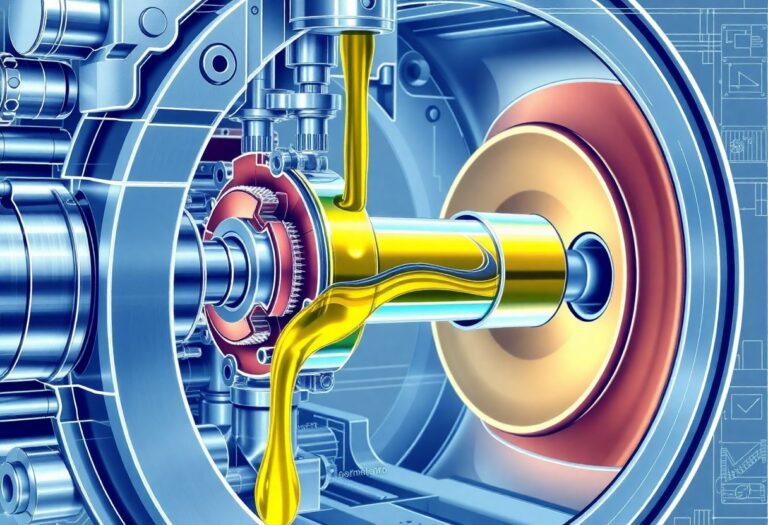
Oiling: Applying sewing machine oil to moving parts as recommended by the manufacturer keeps the machine running smoothly. It's important to use only oil specifically designed for sewing machines, as other lubricants may gum up the works or damage plastic components.
Needle Replacement: Changing needles regularly ensures clean stitching. A general rule of thumb is to replace the needle after every 8-10 hours of sewing time, or whenever starting a new project.
Tension Adjustment: Learning to properly adjust thread tension for different fabrics is a key skill for any sewer. Most machines have numbered dials for the upper tension, while lower tension is adjusted via a small screw on the bobbin case.
Choosing the Right Sewing Machine: A Buyer's Guide
When selecting a sewing machine, several factors should be considered:
Intended Use: Heavy-duty projects require more robust machines with stronger motors and metal internal components. For occasional light use, a simpler machine may suffice.
Ease of Use: Look for intuitive controls and clear instructions. Some machines offer touchscreen interfaces and guided setup processes.
Features: Determine which advanced features you'll actually use. While embroidery capabilities or hundreds of stitch options might seem appealing, they may not be necessary for basic sewing tasks.
Budget: Prices range from under $100 for basic mechanical machines to several thousand dollars for high-end computerized models. Consider the long-term value and durability when making your choice.
Brand Reputation: Research reliability and customer support. Well-established brands like Singer, Brother, and Janome often offer better long-term support and easier access to parts and repairs.
The Future of Sewing Machines: Innovations on the Horizon
As we look to the future, several exciting developments are shaping the next generation of sewing machines:
Artificial Intelligence: Machine learning algorithms could potentially adjust tension and stitch settings automatically based on the fabric being sewn.
Augmented Reality: AR technology could project sewing guidelines directly onto fabric, assisting with pattern placement and stitch accuracy.
3D Printing Integration: Some researchers are exploring ways to combine 3D printing with sewing, potentially allowing for the creation of entirely new types of textiles and garments.
Sustainable Materials: As environmental concerns grow, sewing machine manufacturers are likely to focus on machines optimized for use with eco-friendly fabrics and threads.
Internet of Things (IoT) Connectivity: Future sewing machines might connect to the internet, allowing for easy software updates, pattern downloads, and even remote diagnostics.
Conclusion: The Enduring Legacy of Mechanical Stitching
Sewing machines stand as a testament to human ingenuity, solving a complex problem with elegant mechanical solutions. From the precisely timed dance of gears and levers to the intricate interplay of threads, these devices continue to fascinate and serve us over 150 years after their invention.
Understanding how sewing machines work gives us a deeper appreciation for the clothes we wear and the technology that surrounds us. It's a reminder of how mechanical innovation can transform an industry and touch our daily lives in profound ways.
The next time you hear the rhythmic hum of a sewing machine, take a moment to imagine the intricate mechanisms working in harmony inside. It's more than just a tool – it's a small marvel of engineering that has truly shaped the fabric of our modern world.