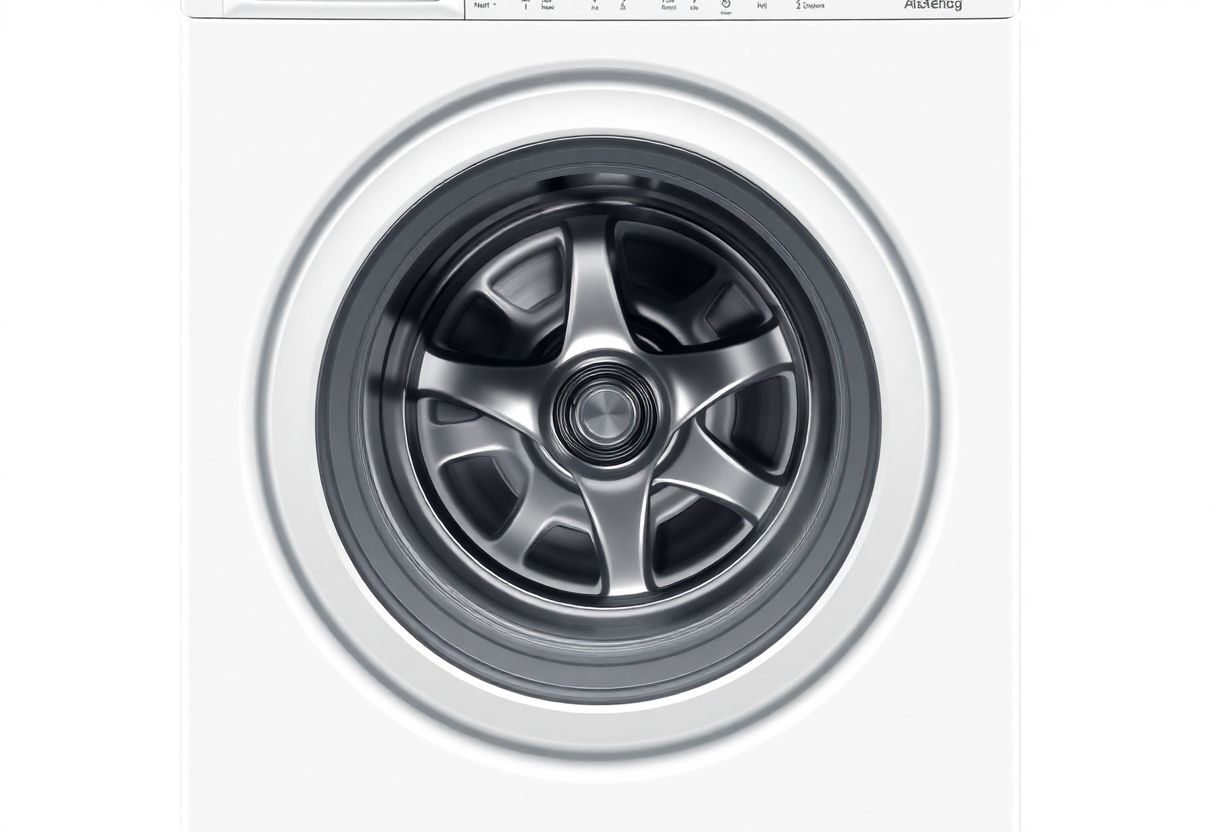
The Fascinating World of Washing Machines: How They Work and Why They Matter
Have you ever paused to consider the incredible technology that transforms your dirty laundry into fresh, clean clothes at the push of a button? Washing machines are marvels of modern engineering, combining principles of physics, chemistry, and mechanics to revolutionize a once-tedious household chore. In this comprehensive exploration, we'll delve into the inner workings of these unsung heroes of home appliances, unraveling the science behind their operation and discovering why they're more fascinating than you might have imagined.
The Basic Principle: Emulsification and Agitation
At the heart of every washing machine's operation lies a fundamental scientific concept: emulsification. This process is the key to removing dirt and stains from fabric, and it's worth understanding in detail.
When you start a wash cycle, water and detergent combine to create a powerful cleaning solution. This solution surrounds dirt particles on your clothes, preparing them for removal. The secret lies in the unique structure of detergent molecules. These clever compounds have a hydrophilic (water-loving) end and a hydrophobic (water-repelling) end. This dual nature allows them to perform a remarkable feat: they can bind to both water and oily substances simultaneously.
As the detergent molecules surround a particle of dirt or grease, they form what scientists call a micelle. The hydrophobic ends of the detergent molecules cling to the dirt particle, while the hydrophilic ends face outward, allowing the entire structure to be suspended in water. This process effectively lifts the dirt away from the fabric and keeps it suspended in the wash water.
But emulsification alone isn't enough to get your clothes truly clean. This is where agitation comes into play. The mechanical action of the washing machine – whether it's the turning of a drum in a front-loader or the movement of an agitator in a top-loader – physically dislodges dirt particles and exposes more of the fabric's surface to the cleaning solution. This combination of chemical and mechanical action is what makes washing machines so effective at cleaning our clothes.
The Anatomy of a Washing Machine
To truly appreciate how washing machines work, it's essential to understand their key components. Let's take a closer look at the parts that make up these complex appliances:
-
Outer Drum: This is the watertight container that holds all the water during the wash cycle. It's designed to prevent leaks and contains the inner drum.
-
Inner Drum: This is the perforated drum you see when you open the door or lid. It's where you place your clothes and where the washing action occurs. The perforations allow water to enter and exit during different stages of the cycle.
-
Agitator or Paddles: In top-loading machines, there's often a central agitator – a spindle with fins or vanes that rotates to move clothes through the water. Front-loading machines use paddles or lifters attached to the drum wall to tumble clothes as the drum rotates.
-
Motor: This is the powerhouse of the washing machine, responsible for turning the drum or agitator. Modern washing machines often use direct drive motors, which are more efficient and quieter than traditional belt-driven motors.
-
Pump: This crucial component is responsible for draining water from the machine. It activates during the drain and spin cycles to remove dirty water and excess moisture from your clothes.
-
Inlet Valves: These control the flow of hot and cold water into the machine. They're electronically controlled to ensure the right amount of water at the correct temperature enters the drum.
-
Heating Element: In machines with internal water heating capabilities, this element warms the water to the selected temperature. It's particularly important in regions where hot water isn't readily available from the household supply.
-
Control Panel and Programmer: This is the brain of the operation, controlling all the other components. Modern machines often feature microprocessors that precisely time each stage of the wash cycle and adjust parameters based on selected programs.
-
Suspension System: This often-overlooked component consists of springs and dampers that absorb vibrations during the spin cycle, preventing the machine from "walking" across the floor.
-
Pressure Switch: This sensor detects the water level in the drum, ensuring the machine doesn't overflow and uses the correct amount of water for each load size.
Understanding these components and how they work together gives us a deeper appreciation for the complexity of washing machines and the engineering that goes into their design.
The Washing Machine Cycle: A Step-by-Step Journey
Now that we're familiar with the parts of a washing machine, let's walk through a typical wash cycle to see how these components work together to clean our clothes:
-
Filling: When you start a cycle, the programmer sends a signal to open the inlet valves. Water flows into the outer drum, passing through the detergent dispenser where it mixes with soap. The pressure switch monitors the water level, signaling the valves to close when the correct amount is reached.
-
Heating: If you've selected a warm or hot wash, the heating element activates, warming the water to the chosen temperature. This process can take several minutes, depending on the initial water temperature and the target heat level.
-
Washing: This is where the main cleaning action occurs. The inner drum or agitator begins to move, creating a mechanical action that helps dislodge dirt. In a front-loading machine, the drum rotates, lifting clothes and dropping them back into the water. In a top-loader, the agitator creates currents in the water to move clothes around. This stage typically lasts 15-30 minutes, depending on the selected cycle.
-
Draining: Once the wash phase is complete, the drain pump activates, removing the dirty water from the machine. This water, now full of suspended dirt particles and detergent, is pumped out into your home's drainage system.
-
Spinning: The drum spins at high speed, using centrifugal force to extract water from the clothes. This spin can reach speeds of 1000-1600 RPM in modern machines. The extracted water is forced through the perforations in the inner drum and then pumped away.
-
Rinsing: Fresh water is added to the drum, and the clothes are agitated again. This stage removes any remaining detergent and dirt from the fabrics. Most cycles include multiple rinse stages to ensure clothes are thoroughly cleaned.
-
Final Spin: A last high-speed spin removes as much water as possible from the clothes, preparing them for drying. This final spin is often the longest and fastest of the cycle.
Throughout this process, the control panel and programmer orchestrate each stage, opening and closing valves, activating the motor and pump, and controlling the duration of each phase. The entire cycle can take anywhere from 30 minutes to over two hours, depending on the program selected and the machine's capabilities.
The Science of Spinning: Centrifugal Force in Action
The spin cycle is a crucial part of the washing process, and it relies on a fundamental principle of physics: centrifugal force. This is the apparent outward force that occurs when an object moves in a circular path. In a washing machine, it's used to remove water from clothes efficiently.
Here's how it works in more detail:
-
As the drum spins, it creates a strong outward force. This force increases with the speed of rotation and the radius of the drum. Modern washing machines can spin at speeds of 1000-1600 RPM (revolutions per minute), creating a significant centrifugal effect.
-
This force presses the clothes against the drum wall. The faster the drum spins, the more firmly the clothes are held against the sides.
-
Water in the clothes, being more dense than the fabric, is forced outward more strongly. It passes through the clothes and then through the small perforations in the drum wall.
-
The extracted water collects in the outer drum and is then pumped away by the drain pump.
The effectiveness of this process is why your clothes come out of the washing machine damp rather than soaking wet. A good spin cycle can remove up to 70% of the water from your laundry, significantly reducing drying time and energy use.
The science behind this process is the same as what keeps water in a bucket when you swing it in a vertical circle. The centrifugal force overcomes gravity, keeping the water (or in our case, the clothes) pressed outward even when they're at the top of the rotation.
It's worth noting that the spin cycle is typically the most energy-intensive part of the wash, as it requires the motor to work hardest. However, this energy expenditure is offset by the reduced energy needed for drying clothes afterward.
Front-Loaders vs. Top-Loaders: A Technical Comparison
Washing machines come in two main types: front-loading and top-loading. Each has its own mechanism for cleaning clothes, and understanding the differences can help you choose the right machine for your needs.
Front-Loading Machines:
- Drum Orientation: The drum is mounted horizontally, rotating around a horizontal axis.
- Cleaning Mechanism: Clothes tumble through the water as the drum rotates. This creates a gentle washing action as clothes are lifted and dropped back into the water.
- Water Usage: Generally use less water, as they don't need to fill the entire drum. A typical front-loader might use 40-50 liters per wash.
- Energy Efficiency: Usually more energy-efficient, partly due to lower water usage (less water to heat) and partly due to more efficient motors.
- Spin Speed: Often capable of higher spin speeds, typically up to 1600 RPM, resulting in drier clothes at the end of the cycle.
- Gentleness: The tumbling action is generally gentler on clothes than the agitator in a top-loader.
- Space Efficiency: Can often be stacked with a dryer, saving floor space.
Top-Loading Machines:
- Drum Orientation: The drum is mounted vertically, rotating around a vertical axis.
- Cleaning Mechanism: An agitator in the center of the drum moves clothes through the water. Some newer models use an impeller instead, which creates currents in the water to move clothes.
- Water Usage: Traditionally use more water, as they need to fill the drum to cover the clothes. However, newer high-efficiency models have reduced water usage significantly.
- Energy Efficiency: Generally less energy-efficient than front-loaders, though the gap has narrowed with newer models.
- Spin Speed: Typically have lower maximum spin speeds, often around 700-1000 RPM.
- Cycle Speed: Often have faster cycle times than front-loaders.
- Accessibility: Easier to add forgotten items mid-cycle, as opening the door doesn't risk water spillage.
The choice between front-loading and top-loading machines often comes down to personal preference, space considerations, and specific laundry needs. Front-loaders have gained popularity in recent years due to their efficiency and performance, but top-loaders remain a popular choice, especially in North America.
The Chemistry of Clean: Understanding Detergents
Detergents are the unsung heroes of the laundry process, working in conjunction with your washing machine to get your clothes clean. These aren't simple soaps; they're complex chemical formulations designed to tackle a variety of dirt and stains. Let's break down the components of a typical laundry detergent:
-
Surfactants (Surface Active Agents): These are the primary cleaning agents in detergents. Surfactants work by lowering the surface tension of water, allowing it to spread out and penetrate fabric more easily. They also help to emulsify oils and fats, suspending them in the water so they can be rinsed away. Common surfactants include linear alkylbenzene sulfonates (LAS) and alcohol ethoxylates.
-
Enzymes: These biological catalysts are nature's stain removers. Different enzymes target specific types of stains:
- Proteases break down protein-based stains like blood or egg.
- Lipases tackle greasy, oily stains.
- Amylases are effective against starch-based stains like those from pasta or potatoes.
- Cellulases can help brighten and soften cotton fabrics.
-
Builders: These compounds enhance the effectiveness of surfactants by softening hard water. They do this by binding to calcium and magnesium ions, which can interfere with detergent action. Common builders include sodium carbonate (washing soda) and zeolites.
-
Bleaches: These help to remove tough stains and brighten whites. The most common bleaching agent in detergents is sodium percarbonate, which releases hydrogen peroxide when dissolved in water. Some detergents also include optical brighteners, which absorb ultraviolet light and re-emit it as visible blue light, making fabrics appear brighter.
-
Fragrances: These are added to give clothes a pleasant scent after washing. Modern detergents often use encapsulated fragrances that are released gradually, providing a longer-lasting scent.
-
Foam Regulators: These control the amount of foam produced during the wash cycle. While some foam is necessary for effective cleaning, too much can reduce the mechanical action of the wash and lead to poor rinsing.
-
Fabric Softeners: Some detergents include built-in fabric softeners, which coat fibers to make them feel softer and reduce static cling.
The chemistry of detergents is continually evolving, with manufacturers developing new formulations to improve cleaning power, energy efficiency, and environmental friendliness. For instance, many modern detergents are formulated to work effectively at lower temperatures, allowing for energy savings without compromising cleaning performance.
It's worth noting that the effectiveness of detergents relies heavily on the washing machine's ability to create the right conditions for these chemical reactions to occur. The agitation provided by the machine helps to distribute the detergent evenly through the wash load, while the temperature control ensures optimal conditions for the various chemical components to do their work.
The Impact of Water Temperature on Washing Efficiency
The temperature of the wash water plays a significant role in cleaning effectiveness, and understanding this can help you choose the right settings for different types of laundry. Let's explore the impact of different water temperatures in more detail:
Hot Water (60°C/140°F):
- Best for killing germs and removing heavy soiling.
- Particularly effective for whites, bed linens, and towels.
- Can help to remove oily stains more effectively.
- May damage delicate fabrics and can set some types of stains (like protein-based stains).
- Uses the most energy, as heating water accounts for a significant portion of a washing machine's energy consumption.
Warm Water (30-40°C/86-104°F):
- A good all-purpose temperature suitable for most everyday laundry.
- Effective cleaning with less risk of damage to fabrics.
- Can help to remove body soils and moderately dirty items.
- Strikes a balance between cleaning power and energy efficiency.
Cold Water (15-20°C/59-68°F):
- Gentlest on clothes, helping to prevent fading and shrinkage.
- Uses the least energy, making it the most environmentally friendly option.
- Ideal for delicate fabrics and items with protein-based stains (as hot water can set these stains).
- Modern detergents are increasingly formulated to work effectively at lower temperatures.
It's important to note that the effectiveness of different water temperatures can vary depending on the type of detergent used. Many modern detergents are designed to activate their cleaning enzymes at lower temperatures, allowing for effective cleaning even in cold water. This development has been driven by a push for greater energy efficiency in home appliances.
The choice of water temperature also affects the overall energy consumption of your wash. Heating water accounts for a significant portion of the energy used in a washing cycle. According to the U.S. Department of Energy, washing clothes in cold water can save up to 50-80% of the energy used in a typical wash cycle.
However, there are instances where higher temperatures are necessary. For example, when dealing with particularly soiled items or when hygiene is a primary concern (such as with bed linens or clothes worn by someone who's been ill), hotter water can be more effective at killing bacteria and removing stubborn dirt.
As washing machine technology advances, we're seeing more sophisticated temperature control systems. Some high-end machines now offer precise temperature settings, allowing users to fine-tune their wash for optimal results. Others use sensors to detect the type and level of soiling on clothes, automatically adjusting the water temperature for the best cleaning results while minimizing energy use.
Energy Efficiency: The Evolution of Greener Washing
In recent years, there has been a significant push towards making washing machines more energy-efficient. This drive has been motivated by both environmental concerns and consumer demand for lower operating costs. Let's explore how modern washing machines are becoming greener:
-
Improved Water Heating: Many machines now heat water more efficiently. Some use heat pump technology, similar to that used in refrigerators but in reverse, to heat water using less electricity. Others have improved insulation to retain heat better during the wash cycle.
-
Enhanced Spin Cycles: Faster spin speeds extract more water from clothes, significantly reducing the energy needed for drying. Some high-end machines can spin at up to 1600 RPM, leaving clothes nearly dry.
-
Load Sensing Technology: Advanced machines can detect the size of the load and adjust water usage accordingly. This prevents wasting water and energy on small loads.
-
Cold Water Detergents: The development of detergents that clean effectively at lower temperatures has allowed for more cold water washing, dramatically reducing energy consumption.
-
Direct Drive Motors: These motors, which connect directly to the drum without belts or pulleys, are more efficient and allow for more precise control of drum movement.
-
Eco Cycles: Many machines now offer specific eco-friendly cycles that optimize water and energy use while still providing effective cleaning.
-
Energy Star Certification: In