The Science of Styrofoam: Unraveling the Mysteries of Heat Insulation
In our quest for energy efficiency and thermal comfort, few materials have garnered as much attention as Styrofoam. This ubiquitous substance, found in everything from coffee cups to building insulation, has become synonymous with keeping things hot or cold. But does Styrofoam really absorb heat? Let's dive deep into the science of heat transfer and explore the fascinating world of this remarkable material.
Understanding Heat Transfer: The Foundation of Insulation
Before we can appreciate Styrofoam's role in heat insulation, we must first understand the fundamental principles of heat transfer. Heat, by its nature, always moves from areas of higher temperature to areas of lower temperature. This transfer occurs through three primary mechanisms:
Conduction is the direct transfer of thermal energy between particles of matter in contact with each other. It's most efficient in solids, especially metals. Convection involves the movement of heat through liquids or gases, often facilitated by the physical movement of the fluid itself. Finally, radiation is the emission of thermal energy through electromagnetic waves, requiring no physical medium for transfer.
Effective insulation works by impeding these heat transfer mechanisms, creating a barrier that slows the movement of thermal energy. This is where Styrofoam comes into play, but its approach might surprise you.
Styrofoam: More Than Meets the Eye
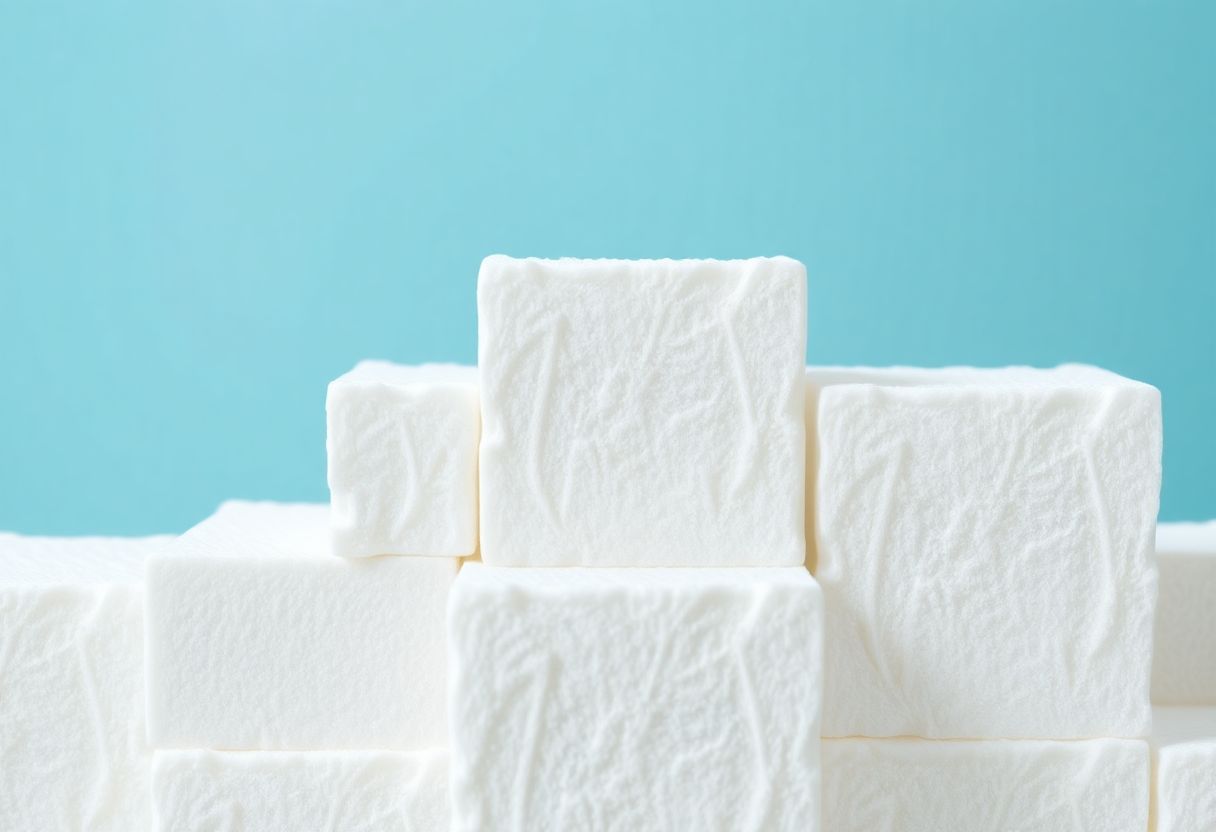
Styrofoam, a trademark name for expanded polystyrene foam, is a marvel of materials science. Composed of approximately 98% air and only 2% polystyrene, its structure is a complex network of tiny air-filled cells. This unique composition gives Styrofoam its characteristic properties: extremely low weight, excellent durability, and most importantly, superior insulation capabilities.
But here's the crucial point: Styrofoam doesn't actually absorb heat. Instead, it excels at resisting heat transfer. This distinction is key to understanding its effectiveness as an insulator.
The Mechanics of Styrofoam's Insulation Properties
Styrofoam's insulation prowess stems from several factors working in concert:
-
Trapped Air: The numerous microscopic air pockets within Styrofoam's structure are the primary source of its insulating power. Air is a poor conductor of heat, and by trapping it in countless tiny cells, Styrofoam creates a labyrinth that thermal energy struggles to navigate.
-
Low Thermal Conductivity: The polystyrene material itself has an inherently low thermal conductivity. According to data from the National Physical Laboratory, the thermal conductivity of expanded polystyrene foam ranges from 0.032 to 0.038 W/(m·K), depending on its density. This is significantly lower than many common building materials, such as brick (0.6-1.0 W/(m·K)) or concrete (0.8-1.4 W/(m·K)).
-
Reduced Convection: The closed-cell structure of Styrofoam severely limits air movement within the material. This restriction of convection currents further impedes heat transfer.
-
Partial Radiation Reflection: While not as effective as dedicated reflective materials, Styrofoam's typically white color can reflect a portion of radiant heat. This effect, while minor compared to its other insulating properties, contributes to its overall performance.
Quantifying Insulation: R-Values and Beyond
In the world of insulation, performance is often quantified using R-values. The R-value measures a material's thermal resistance – its ability to resist heat flow. The higher the R-value, the better the insulation.
Styrofoam typically boasts an R-value of around 5 per inch of thickness. This puts it ahead of many traditional insulation materials like fiberglass (R-value of 2.2-2.7 per inch) or cellulose (R-value of 3.1-3.8 per inch). Only more advanced materials like polyurethane foam (R-value of 6.3 per inch) tend to outperform it.
However, it's important to note that R-value alone doesn't tell the whole story. Factors like installation quality, moisture resistance, and long-term performance also play crucial roles in real-world insulation effectiveness.
Styrofoam in Action: Real-World Applications
The exceptional insulating properties of Styrofoam have led to its widespread adoption across various industries:
In construction, Styrofoam is commonly used in the form of insulation boards for walls, roofs, and foundations. Its moisture resistance and durability make it particularly suitable for below-grade applications. A study published in the Journal of Building Physics found that properly installed Styrofoam insulation can reduce a building's heating and cooling energy consumption by up to 40%.
The food and beverage industry relies heavily on Styrofoam for packaging and transportation. Its ability to maintain temperature, combined with its lightweight nature, makes it ideal for everything from takeout containers to shipping coolers for perishable goods.
Styrofoam's buoyancy and insulation properties also make it valuable in marine applications. It's used in the construction of floating docks, boat buoys, and even in some types of surfboards.
The Environmental Conundrum
While Styrofoam's insulation performance is impressive, its environmental impact has become a significant concern. The material is notoriously difficult to recycle and can persist in the environment for hundreds of years. The production process also raises issues, as it involves petroleum-based products and can release harmful chemicals.
These environmental concerns have spurred research into more sustainable alternatives. Materials like recycled cotton, sheep's wool, and advanced cellulose products offer promising eco-friendly insulation options. However, matching Styrofoam's combination of performance, cost-effectiveness, and versatility remains a challenge.
Pushing the Boundaries: The Future of Insulation
As impressive as Styrofoam is, the quest for even better insulation continues. Researchers and materials scientists are exploring new frontiers that could revolutionize how we think about heat transfer and energy efficiency.
Aerogels, often called "frozen smoke," represent one of the most exciting developments in insulation technology. These ultra-light materials can achieve R-values of 10-14 per inch, significantly outperforming traditional insulators. Made primarily of air (up to 99.8% in some cases), aerogels take the concept of trapped air to the extreme. However, current production costs limit their widespread adoption.
Vacuum Insulated Panels (VIPs) are another promising technology. By removing air entirely and creating a vacuum between two panels, VIPs can achieve astonishing R-values of up to 40 per inch. Their main drawbacks are high cost and the complexity of installation, as any puncture severely compromises their performance.
Phase Change Materials (PCMs) offer a different approach to thermal management. These substances can absorb or release large amounts of energy as they change phase (usually between solid and liquid states). By incorporating PCMs into building materials, it's possible to create structures that actively regulate temperature, absorbing excess heat during the day and releasing it at night.
Perhaps most intriguing are the developments in "smart" insulation materials. Researchers are working on insulation that can dynamically adjust its properties in response to environmental conditions. Imagine a material that becomes more insulating as the outside temperature drops, or one that can selectively allow heat to escape when indoor temperatures rise too high.
Maximizing Styrofoam's Effectiveness: Tips and Best Practices
For those using Styrofoam insulation, several strategies can help maximize its effectiveness:
Proper installation is crucial. Even small gaps or spaces can significantly reduce insulation performance. A study in the Energy and Buildings journal found that air leakage can decrease effective R-value by up to 50% in some cases.
Thickness matters. The insulating properties of Styrofoam are directly related to its thickness. In colder climates or for applications requiring higher insulation, using thicker Styrofoam panels can dramatically improve performance.
While Styrofoam is water-resistant, prolonged exposure to moisture can degrade its performance over time. In high-humidity environments or areas prone to water exposure, using vapor barriers in conjunction with Styrofoam insulation can help maintain its effectiveness.
For maximum insulation, consider combining Styrofoam with other materials. For example, adding a layer of reflective foil can enhance protection against radiant heat, while incorporating phase change materials can improve overall thermal regulation.
Conclusion: The Ongoing Role of Styrofoam in Heat Insulation
As we've explored, Styrofoam doesn't absorb heat in the traditional sense. Instead, its remarkable ability to resist heat transfer makes it one of the most effective insulation materials available today. Its unique structure of air-filled cells, combined with the inherent properties of polystyrene, creates a formidable barrier against all forms of heat transfer.
While environmental concerns are driving research into alternatives, Styrofoam's combination of performance, cost-effectiveness, and versatility ensures its continued relevance in many applications. As we look to the future, the principles that make Styrofoam so effective – trapped air, low thermal conductivity, and resistance to convection – will likely inform the development of next-generation insulation materials.
Understanding the science behind materials like Styrofoam is crucial as we grapple with the challenges of energy efficiency and sustainable living. By making informed choices about insulation and staying abreast of new developments in materials science, we can create more comfortable, energy-efficient spaces while reducing our environmental impact.
The story of Styrofoam and heat insulation is far from over. As we continue to push the boundaries of materials science and thermal management, we may yet discover even more remarkable ways to control the flow of heat. But for now, this humble foam remains a cornerstone of our insulation toolkit, a testament to the power of innovative materials in shaping our world.