The Microscopic Magic of Microfiber: Revolutionizing Cleaning Through Science
In the realm of cleaning technology, few innovations have made as significant an impact as the humble microfiber cloth. These unassuming pieces of fabric have transformed the way we approach cleanliness, offering a more efficient, eco-friendly, and often healthier alternative to traditional cleaning methods. But what exactly makes microfiber so special? Let's dive into the fascinating world of microfiber technology and explore how these tiny fibers work their cleaning magic.
The Anatomy of a Microfiber Cloth
At its core, a microfiber cloth is made up of incredibly fine synthetic fibers, typically a blend of polyester and polyamide (nylon). What sets these fibers apart is their minuscule size. In high-quality microfiber cloths, each fiber can be as thin as 1/200th the diameter of a human hair, measuring approximately 0.33 microns across. To put this in perspective, most bacteria range from 1 to 5 microns in size, while many viruses are even smaller, falling below 0.5 microns.
This ultra-fine structure is the key to microfiber's cleaning prowess. The small size of the fibers creates an enormous surface area within the cloth. In fact, a single square inch of high-quality microfiber cloth can contain up to 200,000 fibers. This vast network of fibers provides countless points of contact with the surface being cleaned, allowing the cloth to trap and hold onto dirt, dust, and other particles with remarkable efficiency.
The Science Behind the Clean
The effectiveness of microfiber cloths isn't just about their size – it's also about the fundamental forces at play at the microscopic level. Two key principles come into play here: van der Waals forces and electrostatic attraction.
Van der Waals Forces: The Sticky Science
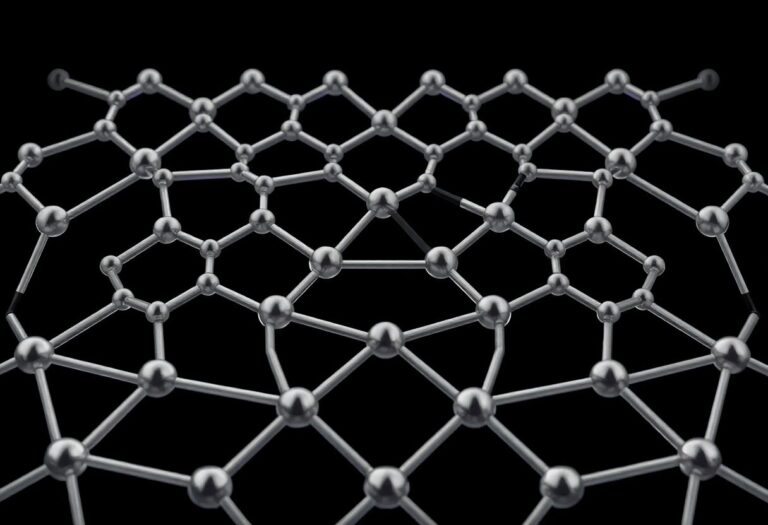
Named after Dutch scientist Johannes Diderik van der Waals, these weak electromagnetic forces occur between molecules. While individually tiny, the cumulative effect of millions of microfibers exerting van der Waals forces becomes significant. Each microfiber can interact with minuscule particles of dust, dirt, and even some microorganisms, causing them to stick to the fibers. This "sticking" effect is powerful enough to lift and trap a substantial amount of debris, often outperforming traditional cloths used with chemical cleaners.
Electrostatic Attraction: The Static Cling Cleaning
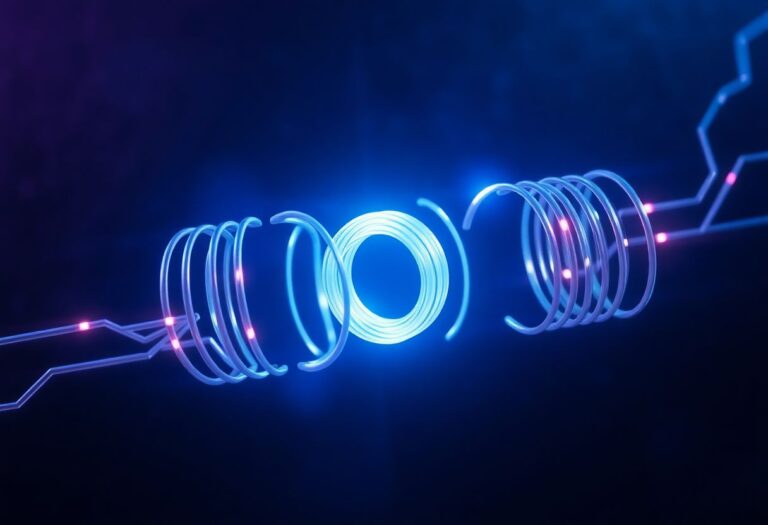
As if van der Waals forces weren't enough, microfiber cloths have another trick up their sleeve. As you use a microfiber cloth, the movement creates a slight electrostatic charge. This charge helps the cloth attract and hold onto dust and small particles, much like how a staticky balloon can make your hair stand on end. This electrostatic property makes microfiber cloths particularly effective for dusting, as they don't just push dust around – they actively attract and hold onto it.
The Split Fiber Advantage
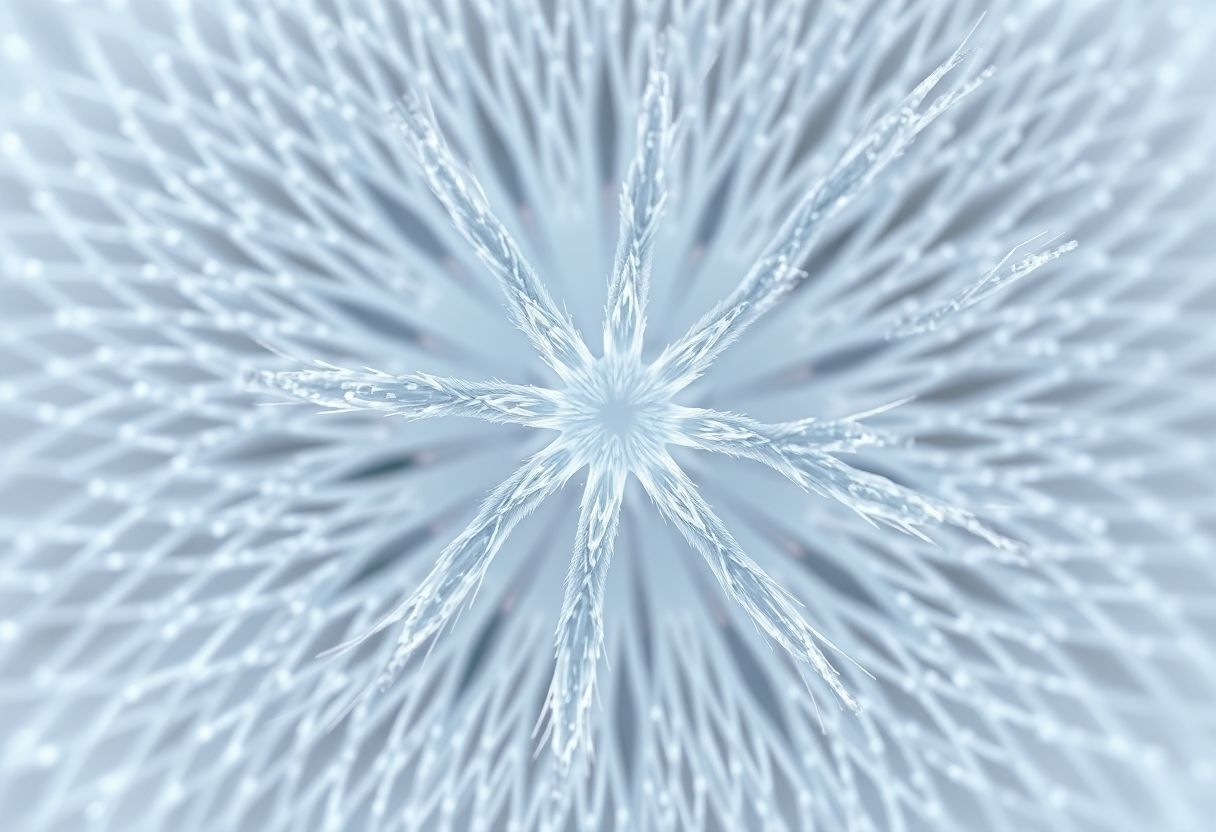
Many high-quality microfiber cloths feature split fibers, which takes their cleaning ability to the next level. Instead of being a single strand, each fiber is split into even smaller strands, often in a star-shaped pattern when viewed in cross-section. This splitting process dramatically increases the surface area of the cloth and creates tiny "grooves" that can trap even more particles. The split fibers also provide an enhanced scrubbing action for tackling stubborn dirt without damaging delicate surfaces.
Microfiber vs. Traditional Cleaning Methods
To truly appreciate the effectiveness of microfiber, it's helpful to compare it to traditional cleaning methods. The conventional approach typically involves using water as a solvent, often with the addition of soap or detergent. Water molecules, being polar, can attach to many types of dirt and debris, while soap helps break down oils and grease that water alone can't tackle. However, this method often leaves behind soap residue, can be less effective on very small particles, and may require more physical effort to scrub surfaces clean.
Microfiber cleaning, on the other hand, works differently. The tiny fibers create many more points of contact with the surface, while van der Waals forces and electrostatic attraction lift and trap particles. The structure of the fibers allows them to reach into tiny crevices, and dirt and debris are held within the cloth until it's washed. This method is often more effective at removing small particles and bacteria, requires less water and no chemicals in many cases, and leaves surfaces cleaner with less streaking or residue.
Practical Applications: From Home to Industry
The versatility of microfiber cloths extends far beyond simple dusting. In the home, they excel at cleaning kitchen and bathroom surfaces, tackling grease, soap scum, and water spots without scratching. They're particularly effective on glass and mirrors, leaving a streak-free shine with just water. Microfiber mop heads are excellent for both dry and damp mopping of hard floors, while the cloths can effectively lift pet hair and dust from carpets and rugs.
In the automotive industry, microfiber cloths have become indispensable. They gently clean paintwork without scratching and are great for interior detailing of dashboards, upholstery, and windows. The technology has even found its way into personal care, with microfiber towels used for gentle makeup removal and quick-drying hair care that reduces frizz.
The tech world has also embraced microfiber, using it to safely clean delicate electronics. From computer monitors and TV screens to smartphones and tablets, microfiber cloths effectively remove dust and fingerprints without risking scratches or damage to sensitive displays.
Environmental Considerations and Future Developments
While microfiber cloths offer several environmental benefits, such as reduced chemical use and less waste from disposable cleaning products, it's important to acknowledge their synthetic nature. Microfiber cloths are not biodegradable, and when washed, they can release microplastics into wastewater. However, the cleaning industry is actively working on solutions to mitigate these issues.
Research is underway to develop more sustainable microfiber-like materials that maintain the cleaning efficacy while reducing environmental impact. Some companies are exploring natural fibers that can be processed to mimic the structure of synthetic microfibers. Additionally, innovations in laundry technology, such as specialized filters and washing bags, are being developed to capture microplastics released during washing.
The future of microfiber technology looks promising, with ongoing developments aimed at enhancing both performance and sustainability. Antimicrobial microfiber, infused with silver or other antimicrobial agents, is being developed for enhanced hygiene in healthcare settings. Ultra-fine fibers, even smaller than current microfibers, are being researched for more effective cleaning at the microscopic level.
Conclusion: The Microscopic Revolution in Cleaning
The science behind microfiber cleaning is a testament to how understanding and harnessing microscopic phenomena can lead to significant real-world applications. By leveraging the power of van der Waals forces, electrostatic attraction, and innovative fiber structures, microfiber cloths have revolutionized the way we approach cleanliness.
As we continue to unravel the complexities of cleaning at the microscopic level, we can expect further advancements in microfiber technology. These developments will likely focus on enhancing cleaning efficacy while addressing environmental concerns, potentially leading to a new generation of sustainable, high-performance cleaning tools.
The humble microfiber cloth serves as a reminder that sometimes, the most powerful cleaning solutions come in the smallest packages. As we move forward, the continued evolution of microfiber technology promises to keep pushing the boundaries of what's possible in cleaning science, making our world a cleaner, healthier place one microscopic fiber at a time.