The Science of Water: Earth’s Extraordinary Life-Giving Substance
Water is arguably the most remarkable and essential substance on our planet. This seemingly simple molecule holds the key to life as we know it, shaping our world in countless ways. In this comprehensive exploration, we'll dive deep into the fascinating science of water, uncovering its unique properties, crucial roles in nature and society, and the pressing challenges we face in managing this invaluable resource.
The Molecular Marvel of H2O
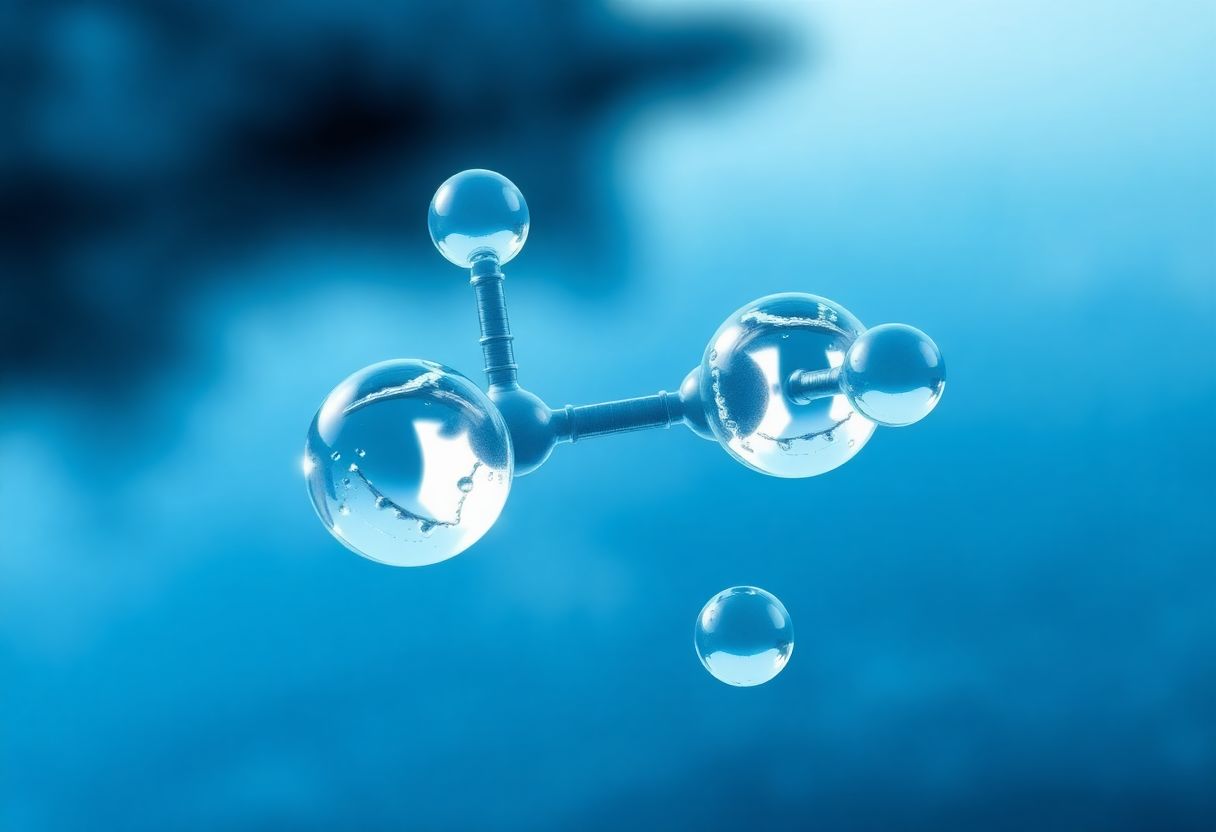
At its core, water is a deceptively simple molecule consisting of two hydrogen atoms bonded to one oxygen atom. However, this basic structure belies the extraordinary properties that make water so crucial for life and our planet's systems.
The Unique Structure of Water Molecules
Water's molecular structure is the foundation of its remarkable characteristics. The two hydrogen atoms are not arranged in a straight line with the oxygen atom but instead form a bent shape with an angle of approximately 104.5°. This configuration results in an uneven distribution of electrical charge, with the oxygen atom slightly negatively charged and the hydrogen atoms slightly positively charged.
This charge distribution makes water a polar molecule, capable of forming hydrogen bonds with other water molecules and polar substances. These hydrogen bonds are responsible for many of water's unique properties, including its high boiling point, surface tension, and ability to dissolve a wide range of substances.
The Three States of Water
One of water's most fascinating aspects is its ability to exist in all three states of matter under conditions commonly found on Earth:
- As a solid (ice and snow)
- As a liquid (the form we're most familiar with)
- As a gas (water vapor and steam)
The ease with which water transitions between these states plays a crucial role in Earth's water cycle and climate systems. For example, the evaporation of liquid water from oceans and lakes, its condensation into clouds, and its return to Earth as precipitation are all vital components of the global water cycle.
Water's Extraordinary Properties
Water exhibits several unusual properties that set it apart from other substances and make it indispensable for life on Earth. Let's explore some of these remarkable characteristics in detail.
High Specific Heat Capacity
Water has an exceptionally high specific heat capacity, meaning it can absorb or release a large amount of heat with only a small change in temperature. This property has profound implications for our planet's climate and ecosystems.
The high heat capacity of water helps regulate temperatures on Earth, moderating our climate and making our planet habitable. Coastal areas, for instance, tend to have milder climates than inland regions due to the moderating influence of large bodies of water. This also explains why it takes considerable time for lakes and oceans to warm up or cool down with changing seasons.
In the context of climate change, the oceans' high heat capacity has been crucial in absorbing excess heat from the atmosphere. According to the Intergovernmental Panel on Climate Change (IPCC), the oceans have absorbed more than 90% of the excess heat in the climate system over the last 50 years, significantly slowing the rate of atmospheric warming.
Anomalous Expansion When Freezing
Unlike most substances, water expands when it freezes. This unusual property has several important consequences for life and the environment:
-
Ice floats on liquid water, allowing aquatic life to survive under frozen lakes and seas. If ice sank, bodies of water would freeze from the bottom up, potentially causing mass extinctions of aquatic life.
-
The expansion of freezing water contributes to geological processes like erosion and soil formation. As water seeps into cracks in rocks and then freezes, it expands, widening the cracks and eventually breaking the rocks apart.
-
This property can also have practical implications in our daily lives, such as the potential for bursting pipes in homes during cold weather if proper precautions aren't taken.
High Surface Tension
Water molecules at the surface experience a net inward force, creating a phenomenon known as surface tension. This property allows small insects like water striders to walk on water and contributes to capillary action, which helps plants draw water up from their roots.
Surface tension also gives water droplets their characteristic round shape and plays a role in various biological processes. For example, it helps in the formation of cell membranes and the movement of water through plant tissues.
Universal Solvent Capabilities
Water is often referred to as the "universal solvent" due to its unparalleled ability to dissolve a wide range of substances. This property is crucial for life, as it allows cells to transport nutrients and remove waste products.
On a larger scale, water's solvent properties shape our planet's geology. Over millions of years, water slowly dissolves and transports minerals, contributing to the formation of caves, canyons, and other geological features.
However, this same property also means that water can easily become contaminated with pollutants, posing challenges for water quality management and environmental protection.
Water's Role in Shaping Our World
Covering approximately 71% of Earth's surface, water is a dominant force in shaping our planet's physical features and supporting life. Let's examine how water influences our world on both global and local scales.
The Global Water Cycle
The water cycle, also known as the hydrologic cycle, describes the continuous movement of water on, above, and below the surface of the Earth. This cycle is crucial for redistributing water around the globe and supporting life in diverse ecosystems.
The main components of the water cycle include:
-
Evaporation: Heat from the sun causes water to evaporate from oceans, lakes, and rivers, as well as from land surfaces and vegetation through a process called evapotranspiration.
-
Condensation: As water vapor rises into the cooler layers of the atmosphere, it condenses into tiny water droplets, forming clouds and fog.
-
Precipitation: When these droplets become heavy enough, they fall back to Earth as rain, snow, sleet, or hail.
-
Collection: Precipitation is collected in various reservoirs, including oceans, lakes, rivers, and underground aquifers. Some of this water then begins the cycle anew.
Recent research has shown that human activities are significantly impacting the global water cycle. Climate change is altering precipitation patterns, intensifying both droughts and floods in different regions. Additionally, large-scale water management practices, such as dam construction and groundwater extraction, are modifying local and regional water cycles.
Water and Climate Regulation
Water plays a vital role in Earth's climate system, acting as both a moderator and a driver of climate patterns:
-
Oceans absorb and distribute heat around the planet, acting as a global thermostat. The Gulf Stream, for example, brings warm water from the Caribbean to the North Atlantic, significantly influencing the climate of Western Europe.
-
Water vapor is a potent greenhouse gas, trapping heat in the atmosphere. In fact, water vapor feedback is a crucial factor in climate change models, as warmer air can hold more moisture, potentially amplifying the warming effect.
-
Changes in ocean currents can lead to significant climate events. The El Niño-Southern Oscillation (ENSO) is a prime example, where changes in Pacific Ocean temperatures and currents can affect weather patterns globally.
As climate change accelerates, understanding water's role becomes increasingly important for predicting and mitigating its effects. The IPCC reports that changes in the water cycle due to climate change will lead to more intense and frequent extreme weather events, including hurricanes, droughts, and floods.
Water: The Essence of Life
Water is not just a backdrop to life; it is an active and essential component of all known living organisms. From the smallest bacteria to the largest trees, water plays crucial roles in biological processes.
Water's Biological Functions
-
Medium for biochemical reactions: Most cellular processes occur in aqueous solutions. Water provides the environment in which molecules can move, interact, and react.
-
Transport of nutrients and waste: In plants and animals, water serves as the medium for transporting nutrients to cells and removing waste products.
-
Temperature regulation: Water's high specific heat capacity helps organisms maintain stable internal temperatures. In humans and many animals, sweating and evaporative cooling are crucial for thermoregulation.
-
Structural support: Water pressure within cells (turgor pressure) provides structural support, especially important in plants.
-
Hydrolysis reactions: Many important biological reactions, including the breakdown of proteins, carbohydrates, and ATP, involve the addition of water molecules.
The human body is approximately 60% water, with some organs like the brain and lungs containing even higher percentages. To maintain proper hydration and bodily functions, the average adult needs to consume about 2-3 liters of water per day, though this can vary based on climate, activity level, and individual physiology.
Water in Ecosystems
Water shapes and supports ecosystems around the world, from the deepest ocean trenches to the highest mountain peaks:
-
Aquatic ecosystems: Oceans, rivers, lakes, and wetlands host an incredible diversity of life. These ecosystems range from coral reefs, often called the "rainforests of the sea" due to their biodiversity, to freshwater lakes that support unique species found nowhere else on Earth.
-
Terrestrial ecosystems: Even on land, water availability often determines which plants and animals can thrive. Desert ecosystems have evolved remarkable adaptations to conserve water, while tropical rainforests depend on abundant rainfall to maintain their lush biodiversity.
-
Wetlands: These water-rich areas serve as crucial habitats for numerous species and act as natural water filters. Wetlands also play a vital role in flood control and carbon sequestration.
Recent studies have highlighted the interconnectedness of these ecosystems through the water cycle. For example, research has shown that the Amazon rainforest generates much of its own rainfall through evapotranspiration, creating a "flying river" effect that influences precipitation patterns across South America.
The Global Water Crisis: Challenges and Solutions
Despite water's abundance on Earth, many regions face severe water scarcity and quality issues. As our population grows and climate change alters water availability, addressing these challenges becomes increasingly urgent.
Water Scarcity: A Growing Concern
Water scarcity affects every continent and was listed in 2019 by the World Economic Forum as one of the largest global risks in terms of potential impact over the next decade. Some key statistics:
- Approximately 2 billion people live in countries experiencing high water stress.
- By 2025, two-thirds of the world's population may face water shortages.
- Agriculture accounts for 70% of global freshwater withdrawals, putting immense pressure on water resources in many regions.
Water scarcity is not just about physical availability; it's also a matter of access and quality. Even in water-rich areas, poor infrastructure or contamination can lead to water stress.
Water Quality Challenges
Clean, safe water is essential for human health and ecosystem functioning. However, water quality is under threat in many parts of the world:
- Over 2 billion people lack access to safely managed drinking water services.
- Approximately 3.4 million people, mostly children, die annually from water-related diseases.
- Industrial and agricultural runoff, as well as inadequate sanitation, contribute to water pollution.
Emerging contaminants, such as microplastics and pharmaceutical residues, pose new challenges to water quality management. Recent studies have detected microplastics in remote mountain lakes and even in Arctic snow, highlighting the pervasive nature of this pollution.
Climate Change Impact on Water Resources
Climate change is exacerbating water-related challenges around the world:
- Changing precipitation patterns are making some areas drier and others wetter, often increasing the frequency and intensity of both droughts and floods.
- Rising temperatures are accelerating glacier melt, threatening long-term water security for millions who depend on glacial meltwater.
- Sea-level rise is causing saltwater intrusion into coastal aquifers, compromising freshwater supplies in many coastal areas.
The World Bank estimates that water scarcity, exacerbated by climate change, could cost some regions up to 6% of their GDP by 2050 due to impacts on agriculture, health, and incomes.
Sustainable Water Management: Strategies for the Future
Addressing the global water crisis requires a multi-faceted approach, combining technological innovation, policy reforms, and changes in individual and societal behaviors.
Conservation and Efficiency
Reducing water waste is crucial in all sectors:
-
Agriculture: Implementing precision irrigation techniques, drought-resistant crops, and water-efficient farming practices can significantly reduce agricultural water use.
-
Industry: Many industries are adopting water recycling and efficiency measures. For example, some textile manufacturers have achieved up to 90% water recycling in their production processes.
-
Domestic use: Low-flow fixtures, water-efficient appliances, and behavioral changes can reduce household water consumption.
Technological Solutions
Innovative technologies are playing an increasingly important role in water management:
-
Desalination: While energy-intensive, desalination is becoming more efficient and is a crucial water source for many arid coastal regions. The largest desalination plant in the world, located in Saudi Arabia, can produce 1.4 million cubic meters of water per day.
-
Water recycling: Advanced treatment technologies allow for the safe reuse of wastewater for non-potable purposes, and in some cases, even for drinking water. Singapore's NEWater program, which recycles wastewater to ultra-clean, potable standards, now meets up to 40% of the nation's water needs.
-
Smart water systems: Internet of Things (IoT) technologies are being used to detect leaks, optimize water distribution, and provide real-time data on water quality and usage.
Policy and Governance
Effective water management requires strong policies and governance structures:
-
Integrated Water Resources Management (IWRM): This approach promotes the coordinated development and management of water, land, and related resources to maximize economic and social welfare without compromising ecosystem sustainability.
-
Water pricing: Implementing appropriate water pricing structures can encourage conservation while ensuring access to basic water needs for all.
-
Transboundary water agreements: As many major rivers cross national boundaries, international cooperation is crucial for sustainable water management.
Nature-Based Solutions
Harnessing natural processes can complement technological approaches:
-
Green infrastructure: Using natural systems like wetlands and green spaces to manage stormwater can improve water quality and reduce flood risks.
-
Watershed restoration: Protecting and restoring watersheds can improve water quality, increase water availability, and enhance ecosystem services.
-
Rainwater harvesting: Simple techniques for collecting and storing rainwater can provide valuable water sources, especially in water-scarce regions.
Conclusion: Valuing Our Liquid Asset
Water is truly extraordinary – a simple molecule with properties that make it essential for life on Earth. As we face growing challenges in water management and conservation, understanding the science of water becomes ever more crucial.
From its unique molecular structure to its role in shaping our planet's climate and ecosystems, water is intertwined with every aspect of life on Earth. The global water crisis we face is not just about water scarcity; it's about managing this precious resource sustainably in the face of growing demand, pollution, and climate change.
By appreciating water's remarkable characteristics and vital roles, we can work towards more sustainable use of this essential resource. This involves not only technological and policy solutions but also a shift in how we value and perceive water. Every drop counts, and our individual actions, when multiplied across societies, can make a significant difference.
As we look to the future, the science of water will continue to play a crucial role in addressing global challenges. From developing more efficient desalination techniques to understanding the impacts of climate change on the water cycle, scientific research and innovation will be key to ensuring water security for future generations.
Ultimately, safeguarding our water resources is about more than just meeting human needs – it's about preserving the intricate web of life that depends on this extraordinary molecule. By deepening our understanding and appreciation of water, we can hope to become better stewards of this precious resource, ensuring its availability for future generations and the continued flourishing of life on our blue planet.