Morgan Silver Dollar (1878–1921) Value Chart Guide: From Historic Treasures to Million-Dollar Masterpieces
When an 1893-S Morgan Silver Dollar achieved a staggering $2,086,875 at auction, it marked a watershed moment in numismatic history. As an antique collector who has specialized in American coinage for over two decades, I‘ve witnessed the Morgan Dollar‘s transformation from a beloved collector‘s item into a serious investment vehicle. This comprehensive guide will walk you through everything you need to know about these remarkable pieces of American history.
The Birth of an American Icon
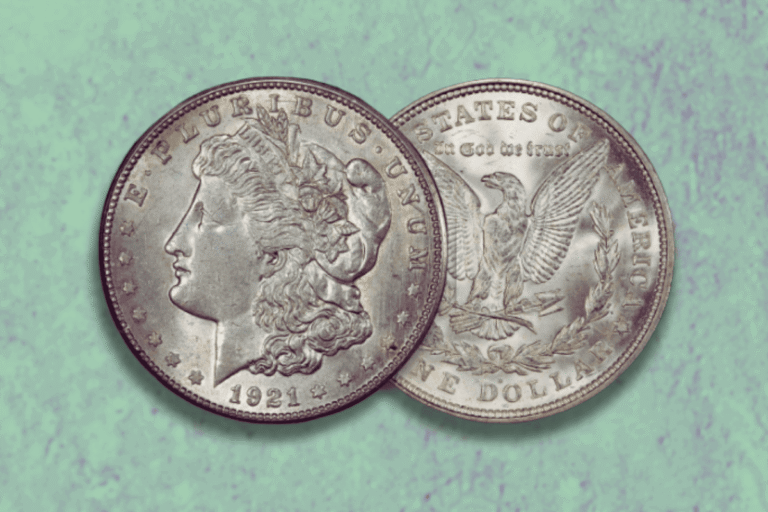
The story of the Morgan Silver Dollar begins in an era of significant change for American currency. In 1878, the Bland-Allison Act mandated the Treasury to purchase vast quantities of silver from western mines, leading to the creation of what would become America‘s most collected silver dollar. George T. Morgan, a talented British engraver recruited specifically for this project, created a design that broke from classical traditions.
Morgan‘s innovative approach incorporated distinctly American elements. His model for Liberty, Philadelphia schoolteacher Anna Willess Williams, represented a departure from the Greek-inspired figures of previous coins. This decision sparked considerable controversy at the time but ultimately produced one of the most recognizable coin designs in history.
Understanding the Minting Process
The production of Morgan Dollars involved intricate processes that directly impact their current value. Five mints produced these coins:
Philadelphia (no mint mark)
Carson City (CC)
San Francisco (S)
New Orleans (O)
Denver (D – 1921 only)
Each facility employed slightly different striking methods, creating subtle variations that experienced collectors can identify. Carson City Morgans, produced in smaller quantities, typically command premium prices due to their connection to the American West and lower survival rates.
Market Analysis: Current Valuations and Trends
Today‘s Morgan Dollar market shows remarkable stratification. Common date examples in circulated condition might sell for $30-50, while supreme rarities reach seven figures. Here‘s a detailed breakdown of current market segments:
Entry Level Market (Under $100)
Common dates in circulated grades (VG-F) remain accessible to beginning collectors. These coins, while showing wear, offer authentic examples of Morgan Dollar history and serve as excellent starting points for new collectors.
Mid-Range Market ($100-1,000)
This segment includes better dates in circulated grades and common dates in lower mint state conditions. These coins offer excellent value for intermediate collectors building date sets.
Premium Market ($1,000-$10,000)
Key dates in higher circulated grades and common dates in gem condition populate this range. Here we find coins like the 1884-S in AU condition or common dates in MS65.
Elite Market ($10,000-$100,000)
This category includes major rarities in high grades and supreme examples of better dates. The 1893-S in lower mint state grades typically trades in this range.
Ultra-Premium Market ($100,000+)
The finest known examples of key dates occupy this rarefied space. The record-setting 1893-S MS67 exemplifies this category.
Authentication: Separating Genuine from Counterfeit
Modern counterfeiters have increasingly targeted Morgan Dollars, making authentication crucial. Key authentication points include:
Weight and Measurements: Genuine coins weigh 26.73 grams and measure 38.1mm in diameter. Even slight deviations warrant careful examination.
Strike Characteristics: Authentic Morgans display specific strike patterns, particularly in Liberty‘s hair and the eagle‘s feathers. Learning these details proves essential for accurate authentication.
Die Characteristics: Each year and mint exhibits particular die markers. Understanding these helps identify genuine specimens.
Surface Analysis: Original mint luster displays distinctive cartwheel effects that counterfeiters struggle to replicate accurately.
Conservation and Preservation
Proper conservation remains crucial for maintaining both condition and value. Environmental factors significantly impact long-term preservation:
Temperature Control: Maintain stable temperatures between 68-72°F (20-22°C)
Humidity Management: Keep relative humidity between 45-50%
Storage Solutions: Use inert materials like Mylar for direct contact
Handling Protocols: Always hold coins by their edges, wearing cotton gloves when possible
Regional Market Variations
Morgan Dollar values show interesting geographic patterns across North America:
Western States: Carson City mint marks command exceptional premiums, often 20-30% above national averages.
Southern Region: New Orleans mint products frequently trade at higher levels locally.
Northeast: Condition rarity drives the market, with exceptional gems bringing strong premiums.
Midwest: Strong demand for original, untoned specimens reflects regional preferences.
Investment Strategies
For collectors considering Morgans as investments, several strategies merit consideration:
Quality-Focused Approach: Target coins in the highest affordable grade, emphasizing original surfaces and eye appeal.
Date/Mint Set Building: Systematic acquisition of complete sets offers both collecting satisfaction and potential appreciation.
Condition Rarity: Focus on common dates in exceptional grades, where population data supports long-term value.
Notable Collections and Their Impact
Historical collections continue influencing today‘s market:
The Eliasberg Collection: Demonstrated the importance of condition and completeness
The Jack Lee Collection: Established new standards for toning and eye appeal
The Coronet Collection: Showed the potential of focused date/mint collecting
Future Market Outlook
Several factors suggest continued strength in the Morgan Dollar market:
Growing International Interest: Asian and European collectors increasingly participate in the market.
Generational Wealth Transfer: New collectors entering the market with significant resources.
Historical Appreciation: Strong track record of price appreciation for quality specimens.
Population Dynamics: Ongoing certification reveals fewer high-grade examples than previously thought.
Practical Collecting Advice
For those building Morgan Dollar collections today:
Start with Education: Study reference materials and examine as many genuine examples as possible.
Focus on Quality: Within your budget, acquire the highest quality examples available.
Build Relationships: Develop connections with reputable dealers and fellow collectors.
Document Everything: Maintain detailed records of purchases, including photographs and certification numbers.
Conclusion
The Morgan Silver Dollar market continues evolving, offering opportunities for collectors at all levels. Whether pursuing a complete date set or focusing on condition rarities, understanding market dynamics, authentication methods, and proper conservation remains crucial for success in this fascinating field.
Remember that each Morgan Dollar tells a story of American history, western expansion, and economic development. As you build your collection, you‘re not just acquiring coins – you‘re preserving pieces of our national heritage for future generations.