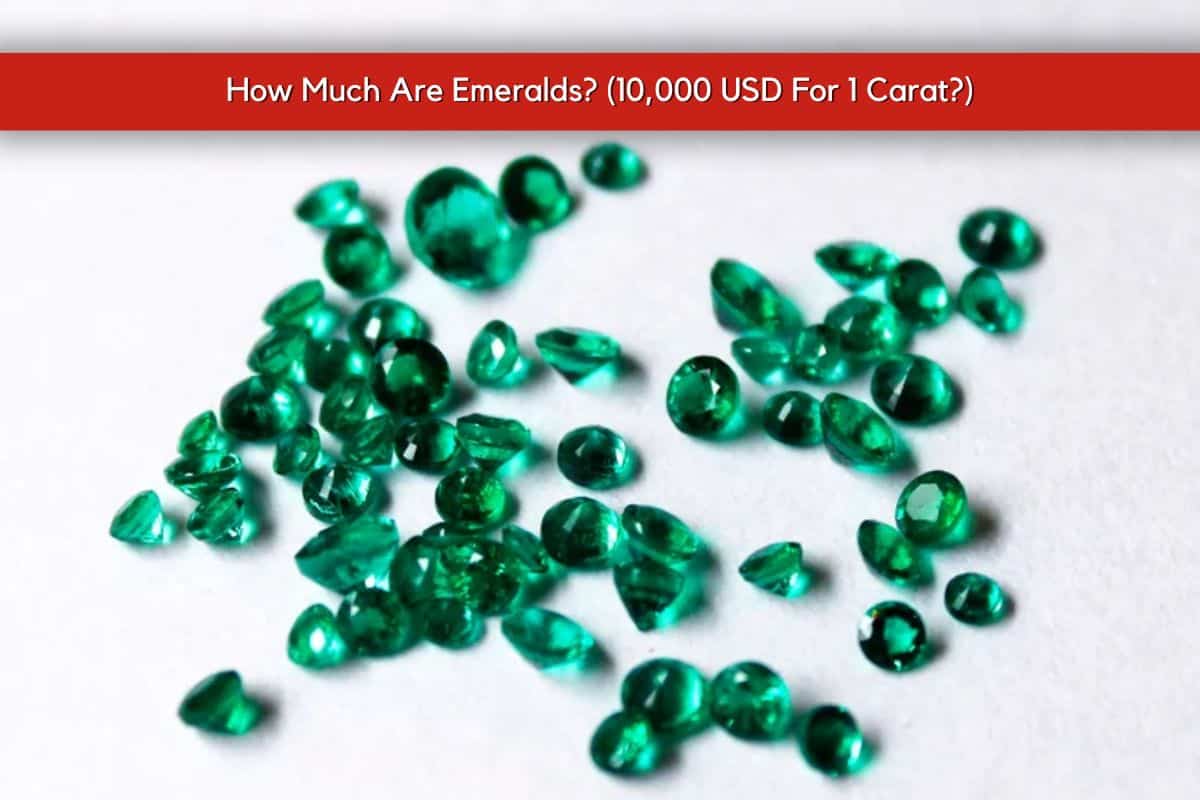
How Much Are Emeralds? (10,000 USD for 1 Carat?) – A Collector‘s Guide to Valuation
As an antique collector specializing in precious gems for over two decades, I‘ve watched emerald prices climb steadily, with exceptional specimens now commanding prices that make even seasoned dealers pause. When clients ask me about emerald values, my answer invariably begins with "it depends" – because few gems offer such dramatic price variations based on subtle quality differences.
The Historical Value of Emeralds
Ancient civilizations prized emeralds above all other gems. Cleopatra‘s legendary emerald mines near the Red Sea supplied stones that adorned Egyptian royalty. The Mughal emperors of India carved sacred texts into emeralds, creating priceless religious artifacts. Spanish conquistadors discovered vast emerald deposits in Colombia, leading to a new chapter in the gem‘s trading history.
Today‘s emerald market reflects this rich heritage. A single crystal from Colombia‘s Muzo mine might sell for $50,000 per carat, while a commercial-grade stone from a lesser-known source might fetch just $100 per carat. Understanding this vast price spectrum requires examining multiple factors that influence emerald values.
Current Market Values: A Detailed Analysis
The emerald market operates on a complex grading system that considers multiple quality factors. Based on current market data from major trading centers:
Commercial Grade Emeralds ($100-1,000 per carat):
These stones typically show visible inclusions, lighter color saturation, and may require significant treatment to enhance clarity. They‘re commonly used in mass-market jewelry and represent about 75% of emeralds in circulation.
Fine Quality Emeralds ($1,000-5,000 per carat):
These gems display good color saturation, moderate inclusions, and maintain transparency. They‘re popular in high-end jewelry pieces and attract serious collectors entering the market.
Extra Fine Emeralds ($5,000-15,000 per carat):
Displaying superior color saturation, minimal eye-visible inclusions, and excellent transparency, these stones appeal to experienced collectors and investors. They often come from premium mining locations and carry respected laboratory certificates.
Investment Grade Emeralds ($15,000-100,000+ per carat):
These exceptional stones combine intense color, remarkable clarity, significant size, and important provenance. They frequently appear at major auctions and command prices that increase substantially with size.
Geographic Origins and Their Impact on Value
Colombian emeralds, particularly those from the historic Muzo, Chivor, and Coscuez mines, traditionally command the highest prices. Their distinctive saturated green color with subtle blue undertones sets the global standard. A fine Colombian emerald might sell for 30-50% more than a comparable stone from another source.
Zambian emeralds have gained recognition for their excellent clarity and slightly bluish-green color. Their prices have risen steadily over the past decade, with top specimens now achieving prices close to their Colombian counterparts.
Brazilian emeralds often show lighter tones but can offer exceptional clarity. Their value typically ranges from 40-70% of comparable Colombian stones, making them attractive to collectors seeking value.
Afghan and Pakistani emeralds remain relatively unknown in mainstream markets but can offer exceptional value. Their prices typically range from 30-60% of Colombian stones of similar quality.
Critical Evaluation Factors
Color remains the paramount value factor. The most valuable emeralds display a pure, vibrant green with medium-dark tone and strong saturation. A slight bluish secondary hue is acceptable, but yellowish undertones typically reduce value by 20-30%.
Clarity presents unique challenges in emerald evaluation. Unlike diamonds, emeralds naturally contain inclusions called "jardin" (garden in French). These internal features can actually authenticate natural origin and specific mine sources. However, extensive inclusions that threaten durability or significantly impact transparency can reduce value by 50-90%.
Size significantly impacts per-carat prices. Large, fine emeralds are exceptionally rare, leading to exponential price increases. A 5-carat stone of fine quality might sell for three times the per-carat price of a similar 1-carat stone.
Treatment Considerations and Authentication
Nearly all emeralds undergo some form of clarity enhancement. Cedar oil treatment, a centuries-old practice, remains the most accepted. Modern polymer treatments, while effective, typically result in 20-40% lower values compared to traditionally treated stones.
Authentication requires specialized equipment and expertise. Key indicators include:
- Growth pattern analysis under magnification
- Specific gravity measurements
- Spectroscopic analysis
- Fluorescence response
- Inclusion study
Investment Perspectives
The emerald market has shown consistent long-term appreciation, particularly for finest quality stones. Investment-grade emeralds have appreciated approximately 8-12% annually over the past decade, outperforming many traditional investment vehicles.
Key investment considerations include:
- Focus on stones above 2 carats for maximum appreciation potential
- Prioritize origin documentation and laboratory certification
- Consider insurance and secure storage solutions
- Maintain detailed provenance records
- Build relationships with reputable dealers
Market Trends and Future Outlook
Recent market developments indicate growing demand from Asian collectors, particularly in China and Singapore. This has pushed prices higher for fine qualities while creating new opportunities in middle-market segments.
Supply constraints from traditional sources continue to support price appreciation. Colombian production has decreased significantly, while new deposits in Ethiopia show promise but haven‘t yet impacted high-end market segments.
Practical Buying Guidance
For collectors entering the emerald market, I recommend:
Start with stones in the 1-2 carat range from reputable dealers. This allows you to understand quality variations without risking substantial capital. Focus on learning color evaluation, as this skill proves most valuable in identifying opportunities.
Build relationships with specialized dealers who handle important stones. The finest emeralds often trade privately, never reaching public markets. Your network becomes crucial for accessing premium material.
Document everything. Maintain detailed records of certificates, origin reports, treatment disclosures, and previous ownership history. This documentation directly impacts resale value and insurance coverage.
Conservation and Care
Emeralds require specific care to maintain their value. Their moderate hardness (7.5-8 on the Mohs scale) and typically included nature make them more vulnerable than diamonds or sapphires.
Professional cleaning every 2-3 years helps maintain clarity enhancement treatments. Store emeralds separately from harder gems to prevent scratching, and avoid ultrasonic cleaners or harsh chemicals.
Conclusion
The emerald market rewards informed collectors who understand quality factors and market dynamics. While top-quality stones command astronomical prices, opportunities exist across all market segments for collectors willing to learn and invest thoughtfully. As supply constraints continue and new markets emerge, fine emeralds remain one of the most intriguing segments of the colored stone market.
Remember, when evaluating emeralds, take time to study each stone carefully. The difference between a $5,000 per carat stone and a $50,000 per carat stone often lies in subtle details that reveal themselves only through patient examination and growing expertise.