How Much Is My Noritake China Worth? A Comprehensive Value Guide
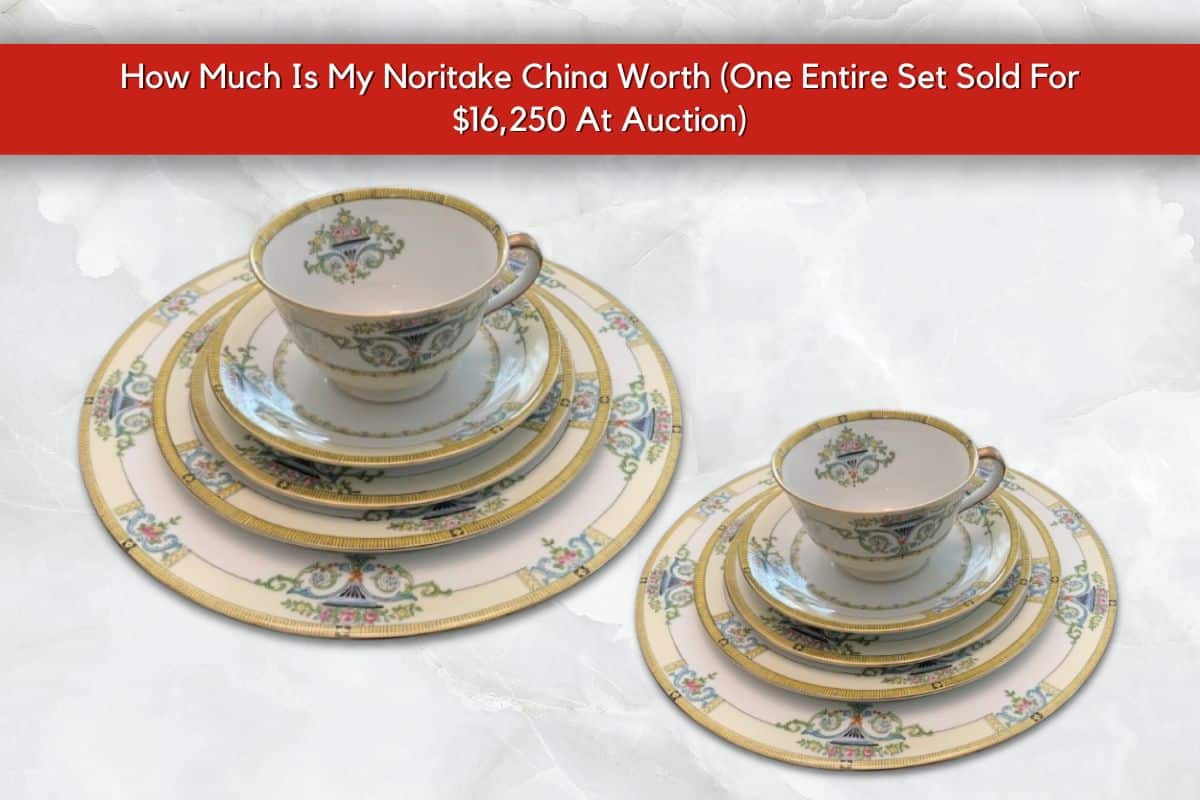
When a complete Noritake dining set from the Imperial Hotel sold for $16,250 at auction, it marked a watershed moment in the fine china collecting world. As someone who has spent over three decades appraising and collecting Noritake pieces, I‘ve witnessed firsthand how these treasured items can command remarkable prices – while others might fetch only modest sums at estate sales.
The Rich Heritage of Noritake China
The story of Noritake begins in 1876, when Japanese brothers Ichizaemon and Toyo Morimura opened their trading company in New York City. Their initial focus was importing traditional Japanese decorative items, but everything changed after they visited the 1889 Paris World‘s Fair. Mesmerized by the fine European porcelain on display, they envisioned creating equally magnificent pieces for the American market.
By 1904, they established their first factory in the village of Noritake near Nagoya, Japan. The early years of production, from 1904 to 1920, represent what many collectors consider the golden age of Noritake. During this period, every piece was meticulously hand-painted by skilled artisans, often incorporating elaborate gold gilding and raised moriage details.
What makes these early pieces particularly special is their limited production numbers. Unlike later mass-manufactured items, these initial offerings were created in small batches, with artisans spending days perfecting individual pieces. This combination of supreme craftsmanship and rarity makes early Noritake some of the most sought-after pieces in today‘s market.
Understanding Value Determinants
The value of Noritake china varies dramatically based on several key factors. Let‘s explore each in detail:
Age and Production Period
Pre-1920 pieces typically command the highest prices, often ranging from $100 to several thousand dollars per item. These early specimens feature distinctive characteristics:
- Intricate hand-painted designs
- Heavy gold gilding
- Moriage (raised) decoration
- Superior porcelain quality
- Unique pattern variations
The 1920s-1940s marked a transition period, as Noritake began incorporating more mechanized production methods while maintaining high quality standards. Pieces from this era typically sell for $50-500, depending on their specific characteristics.
Post-1950s items, while still beautiful, were produced in larger quantities using more automated processes. These pieces generally range from $5-50 per item, though complete sets in pristine condition can fetch significantly more.
Pattern Rarity and Desirability
Certain Noritake patterns consistently command premium prices. The iconic "Sedan" pattern, first registered in 1911, regularly sells for $200-400 per piece. Other highly valuable patterns include:
The "Tree in the Meadow" design (1914-1920)
Art Nouveau floral patterns with heavy gilding
Hand-painted scenic landscapes
Custom patterns created for luxury hotels and restaurants
Condition Considerations
The condition of your Noritake pieces significantly impacts their value. Mint condition items – those showing no wear, chips, or repairs – can command prices 300-400% higher than similar pieces with minor damage.
When examining condition, pay particular attention to:
Gold gilding preservation
Pattern clarity and color vibrancy
Glaze integrity
Absence of crazing (fine cracks in the glaze)
Original factory finish
Authentication Marks
One of the most reliable ways to date and value Noritake china is through its backstamp. The company has used over 400 different marks throughout its history, each corresponding to specific production periods.
The earliest pieces (1891-1911) typically feature the "Nippon" mark, often hand-painted in green. From 1911-1921, marks commonly included the "M" in wreath design. Post-1921 marks began incorporating the familiar "Noritake" name in various styles.
Market Trends and Investment Potential
The Noritake market has shown steady growth over the past decade, with particular strength in several categories:
Complete matching sets from the pre-1920 era
Rare decorative pieces like vases and wall plaques
Limited edition commemorative items
Custom patterns created for prestigious clients
Pieces with documented historical significance
Recent notable sales include:
- A 100-piece Art Nouveau dinner service: $12,800
- Pre-1920 hand-painted landscape vase: $3,200
- Imperial Hotel Wright-designed tea set: $4,500
- Complete 1918 gilt-decorated dinner service: $16,250
Conservation and Care
Proper maintenance significantly impacts both value and longevity. Key preservation guidelines include:
Temperature and humidity control (65-70°F, 45-55% humidity)
Protection from direct sunlight
Careful handling procedures
Appropriate cleaning methods
Professional restoration when needed
Authentication Guidelines
With valuable Noritake pieces regularly selling for thousands of dollars, authentication becomes crucial. Key indicators of authenticity include:
Proper weight and porcelain density
Correct glaze characteristics
Period-appropriate production methods
Accurate backstamp details
Pattern registry numbers
Regional Market Variations
Interestingly, Noritake values can vary significantly by region. East Coast markets typically command higher prices for formal dining sets, while West Coast collectors often prefer decorative pieces. Japanese market prices for early pieces can exceed U.S. values by 20-30%.
Investment Strategies
For collectors considering Noritake as an investment, I recommend focusing on:
- Pre-1920 pieces with documented provenance
- Complete matched sets in original condition
- Rare patterns with limited production runs
- Pieces with historical significance
- Items showing exceptional artistry
Current Market Values
To provide specific guidance, here‘s a detailed breakdown of current market values:
Modern Production (Post-1950):
Individual dinner plates: $8-15
Teacups and saucers: $15-30
Serving pieces: $25-75
Complete dinner sets: $200-800
Mid-Century (1921-1950):
Individual dinner plates: $20-50
Decorative pieces: $75-200
Complete sets: $500-2,000
Early Period (Pre-1920):
Individual hand-painted plates: $100-300
Decorative vases: $300-3,000
Complete formal sets: $5,000-16,000+
Future Outlook
The market for fine Noritake china continues to evolve. While casual dining pieces maintain steady but modest values, exceptional early pieces show strong appreciation potential. Factors driving future values include:
Growing interest from Asian collectors
Increasing rarity of early pieces
Rising appreciation for hand-crafted items
Strong auction market performance
Historical documentation improvements
Conclusion
Whether you‘ve inherited family pieces or actively collect Noritake, understanding these value factors helps identify truly special items. While not every piece will command record prices, many early specimens represent both historical significance and genuine investment potential.
Remember to have valuable pieces professionally appraised, as subtle details can significantly impact worth. With proper authentication, care, and documentation, fine Noritake china remains one of the most enduring categories in porcelain collecting.
For collectors starting their journey, focus on acquiring the best condition pieces within your budget, and always prioritize documentation and provenance. The most valuable collections often begin with a single carefully chosen piece.