What Makes a 1921 Silver Dollar Rare? (The Factors Behind These Coins‘ Rarity and Value Explained)
When I first held a pristine 1921 Silver Dollar in my hands during an estate evaluation in Philadelphia, the weight of history was palpable. As a numismatic expert with 25 years of experience examining rare American coinage, I‘ve encountered thousands of these remarkable pieces. Yet each one tells its own story of American resilience during a pivotal year in our nation‘s monetary history.
The Historical Tapestry of 1921
The year 1921 marked a unique moment in American numismatic history. The country had emerged from World War I, facing economic uncertainties and social transformation. The Morgan Silver Dollar‘s resurrection that year, after a 17-year hiatus, reflected complex political and economic forces that would ultimately contribute to its rarity.
The Pittman Act of 1918 had authorized the melting of up to 350 million silver dollars, primarily to aid British allies during WWI. This massive reduction in existing silver dollars created pressure to mint new coins. The 1921 Morgan Dollar emerged from this necessity, but its production would last just one year before giving way to the Peace Dollar design.
Understanding the Unique Production Context
The Philadelphia, San Francisco, and Denver mints worked diligently throughout 1921 to produce these coins. Each facility faced distinct challenges that affected their output quality and quantity. The Philadelphia Mint, operating with the most advanced equipment, produced the highest number of coins but also experienced significant die wear due to the intensive production schedule.
The San Francisco Mint‘s output was notably smaller, creating what would become some of the most sought-after variants. The Denver Mint‘s production run introduced subtle variations in strike quality that collectors now prize. These manufacturing circumstances directly influenced the survival rates and condition of specimens available today.
Technical Markers of Authenticity and Rarity
The 1921 Morgan Dollar‘s specifications reveal much about its rarity:
Weight: 26.73 grams
Silver Content: 90% (.7734 troy ounces)
Diameter: 38.1 millimeters
Reeding: 189 reeds on the edge
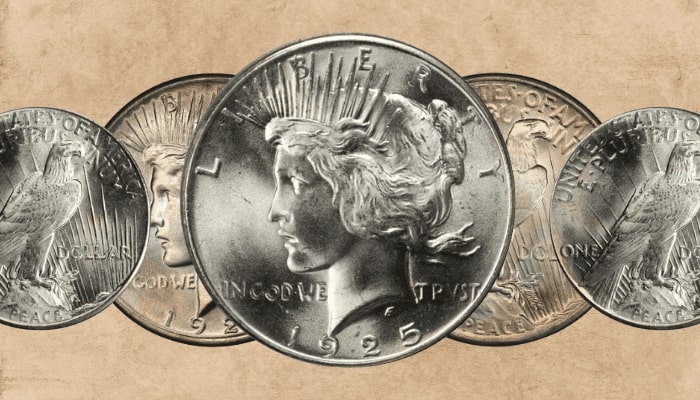
These technical aspects matter immensely when authenticating rare specimens. The coin‘s strike quality varies significantly, with the highest-grade examples showing exceptional detail in Liberty‘s hair and the eagle‘s breast feathers. The surface should display cartwheel luster under proper lighting, a characteristic that helps distinguish genuine pieces from counterfeits.
Varieties That Drive Value
Several distinct varieties of the 1921 Morgan Dollar exist, each with its own rarity profile. The Chapman Proof versions, struck with special care for presentation purposes, represent some of the most valuable specimens. VAM varieties, named after scholars Van Allen and Mallis, include fascinating die variations that command premium prices among specialized collectors.
The "Zerbe Proof" specimens, named after prominent numismatist Farran Zerbe, represent another highly sought-after variety. These special strikes exhibit particularly sharp detail and distinctive surface characteristics that set them apart from regular issues.
Conservation and Preservation
The survival state of 1921 Morgan Dollars significantly impacts their rarity and value. Environmental factors, storage methods, and handling practices over the past century have created a wide spectrum of preservation states. Coins that escaped circulation and avoided improper cleaning or storage conditions remain exceedingly rare.
Professional conservation techniques have evolved substantially. Modern preservation methods include:
- Inert holder materials that prevent chemical reactions
- Climate-controlled storage environments
- Non-invasive cleaning techniques for institutional collections
- Advanced imaging for condition documentation
Market Dynamics and Regional Variations
The market for 1921 Morgan Dollars shows interesting regional patterns. New England collectors often focus on condition rarity, while Western collectors sometimes prefer coins with connection to local mining history. Southern collections frequently emphasize original toning and eye appeal.
Current market values reflect these regional preferences:
Circulated specimens in VF-20: [$35-50] Choice Uncirculated MS-63: [$175-225] Gem Uncirculated MS-65: [$750-1,200] Superb Gem MS-67: [$15,000-25,000]
Authentication Challenges
Distinguishing genuine 1921 Morgan Dollars requires careful attention to multiple factors. The strike characteristics should show proper metal flow patterns, particularly around Liberty‘s ear and the eagle‘s wing feathers. The edge reeding must display consistent spacing and depth, while the surface should show appropriate mint luster or natural toning patterns.
Common authentication points include:
- Die characteristics specific to 1921
- Weight tolerance within 0.1 grams
- Proper silver ping when tested acoustically
- Correct magnetic properties
- Die polish lines in expected locations
Investment Considerations
The investment potential of 1921 Morgan Dollars continues to evolve. While all silver dollars maintain their intrinsic precious metal value, numismatic premiums vary significantly based on condition and variety. The finest known specimens have shown remarkable appreciation, particularly those with exceptional eye appeal and original surfaces.
Long-term trends suggest particular strength in:
- High-grade certified examples
- Rare VAM varieties
- Proof-like specimens
- Originally toned examples
- Documented pedigree pieces
Collection Strategy Recommendations
For collectors entering this market, I recommend a methodical approach:
Start with a certified example in MS-63 to understand grade characteristics. Study die varieties through reference materials and hands-on examination of multiple specimens. Build relationships with reputable dealers who specialize in Morgan Dollars. Consider joining specialized collector groups for shared knowledge and trading opportunities.
Conservation Methods and Storage
Proper storage remains crucial for maintaining condition and value. Use these proven methods:
- Store coins in inert materials free from PVC
- Maintain stable temperature and humidity levels
- Handle coins only by their edges
- Document condition changes photographically
- Rotate storage position periodically to prevent chemical spot formation
Future Market Outlook
The rarity of high-grade 1921 Morgan Dollars continues to increase as collectors better understand condition rarity and variety attribution. Market trends suggest growing appreciation for originality and eye appeal over technical grade alone. The rising interest in American numismatic history among international collectors adds another dimension to future demand.
Expert Insights for Buyers
When acquiring 1921 Morgan Dollars, consider these factors:
- Strike Quality: Look for sharp detail in Liberty‘s hair and the eagle‘s breast feathers
- Surface Preservation: Original mint luster adds significant value
- Toning: Natural color progression indicates proper storage history
- Die State: Early die state coins often show superior detail
- Provenance: Documented history can add substantial value
Conclusion
The 1921 Morgan Dollar‘s rarity stems from a perfect storm of historical circumstances, production variables, and survival challenges. As both a collector and dealer, I‘ve watched these coins appreciate in both historical significance and monetary value. Their story continues to unfold as new collectors discover their allure and advanced collectors compete for the finest known specimens.
For those considering entering this fascinating corner of numismatics, the 1921 Morgan Dollar offers multiple entry points and collecting strategies. Whether focusing on condition rarity, die varieties, or historical significance, these coins reward careful study and patient acquisition. Their rarity, firmly established through historical circumstance and market dynamics, seems likely to persist well into the future.