Proof, Circulated, And Uncirculated Coins: What‘s The Difference?
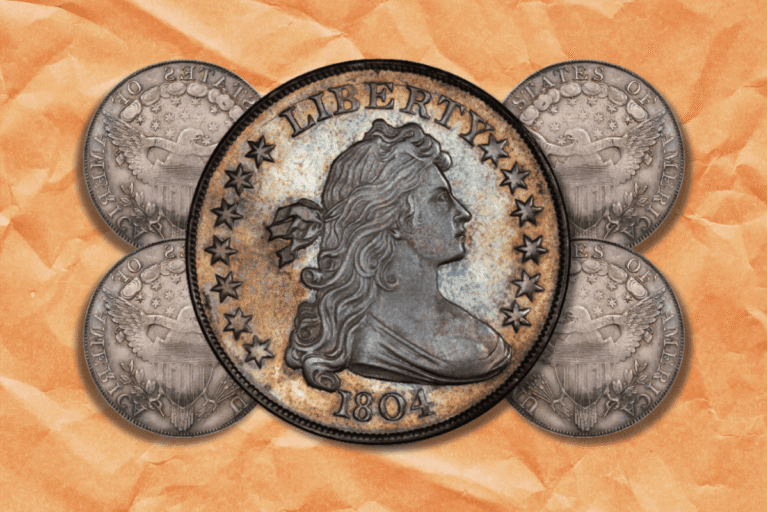
The soft ping of a silver dollar as it lands in my palm still brings the same thrill today as it did when I first started collecting coins four decades ago. As a long-time numismatist who has handled millions of dollars worth of rare coins, I‘ve learned that understanding the fundamental differences between proof, circulated, and uncirculated coins is crucial for both collecting and investing success.
The Rich History of Coin Production
The story of different coin finishes begins in ancient Rome, where skilled artisans created specially struck presentation pieces for emperors and dignitaries. These early "proof-like" coins demonstrated remarkable craftsmanship that would influence minting practices for centuries to come.
In medieval Europe, mint masters developed new techniques for creating coins with exceptional detail and finish. By the 1500s, the Tower Mint in London produced special presentation strikes that marked the beginning of what we now recognize as proof coinage. These pieces served as quality control examples and gifts for visiting diplomats.
The modern era of proof coining began in the early 19th century. The Philadelphia Mint started producing proof coins regularly in 1817, establishing standards that would define numismatic excellence. By 1936, the U.S. Mint began offering proof sets to collectors, creating a new market that continues to thrive today.
Understanding Proof Coins
Proof coins represent the pinnacle of minting technology and artistic achievement. Each proof coin undergoes an extraordinary production process that sets it apart from regular strikes. The journey begins with carefully selected planchets that undergo additional polishing and preparation. These blanks must meet stringent quality standards before moving to the striking phase.
The dies used for proof coins receive special treatment too. Mint technicians hand-polish the dies to create the distinctive mirror-like fields that characterize proof coins. This process requires exceptional skill and patience – a single proof die may take several days to prepare properly.
During striking, proof coins receive multiple blows from the dies under tremendous pressure. Modern proof coins typically receive between three and seven strikes, compared to a single strike for circulation coins. This multiple-strike process ensures that every detail of the design transfers perfectly to the coin‘s surface.
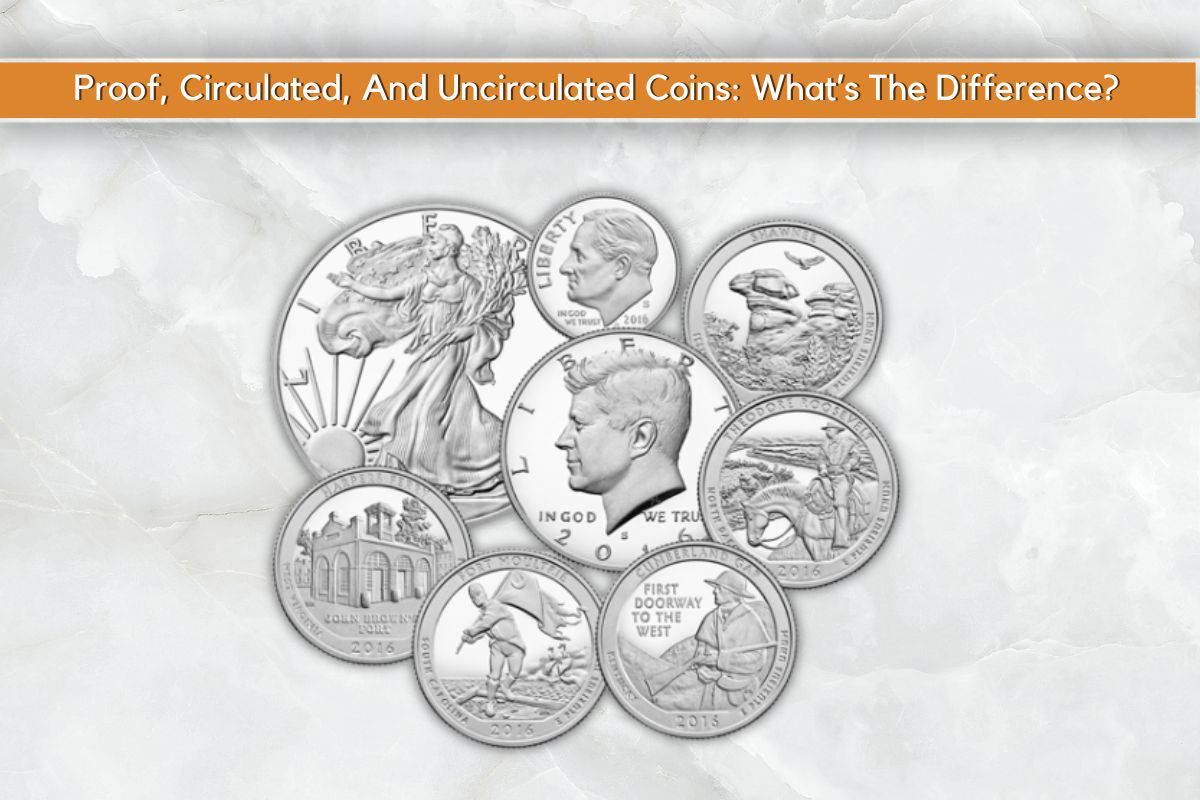
The results of this painstaking process are immediately apparent. Proof coins display mirror-like fields that contrast beautifully with frosted design elements. This "cameo" effect creates stunning visual appeal that regular strikes cannot match.
The World of Circulated Coins
Circulated coins tell stories through their wear patterns and patina. Each scratch, ding, and smooth spot represents human interaction – commerce, savings, and daily life throughout history. From colonial copper pennies worn smooth from decades in commerce to Morgan dollars that rattled in saddlebags across the American West, circulated coins connect us directly to the past.
The grading of circulated coins requires deep knowledge of wear patterns and surface preservation. A coin‘s grade often depends on subtle details that reveal its history. For example, a Walking Liberty Half Dollar graded Fine-12 should show clear feather detail on the eagle‘s wing but may have smooth wear on Liberty‘s skirt lines.
Market values for circulated coins can vary dramatically based on date, mint mark, and condition. Some dates are scarce in all grades, while others may be rare only in higher circulated grades. The 1909-S VDB Lincoln Cent provides an excellent example – while 484,000 were minted, finding one in Very Fine condition or better presents a significant challenge.
The Appeal of Uncirculated Coins
Uncirculated coins occupy a special place in numismatics. These pieces never entered circulation but don‘t receive the special striking process of proofs. Their preservation offers collectors the opportunity to see coins exactly as they appeared when they left the mint.
The term "uncirculated" can be somewhat misleading. While these coins never circulated as currency, they may show contact marks from handling at the mint or during bank processing. True gem uncirculated coins showing minimal contact marks command significant premiums.
Original mint luster plays a crucial role in determining uncirculated coin quality. This cartwheel effect, created by microscopic flow lines in the metal‘s surface, should remain undisturbed. Even slight friction can disrupt these delicate patterns, affecting both grade and value.
Modern Market Dynamics
Today‘s rare coin market shows interesting patterns across all three categories. Proof coins typically command the highest premiums, particularly for early dates and special finishes. The market for modern proof coins remains strong, with certain issues selling out within hours of release.
Circulated coins represent the largest segment of the market by volume. Collectors often begin with circulated pieces, learning grading skills and market dynamics through hands-on experience. Key dates in circulated grades continue to appreciate steadily.
Uncirculated coins offer perhaps the best value proposition for many collectors. Premium quality uncirculated pieces often sell for a fraction of comparable proof prices while offering similar visual appeal.
Authentication Challenges
The rising value of rare coins has led to increasingly sophisticated counterfeiting attempts. Authentication requires multiple approaches:
Physical examination remains fundamental. Experienced numismatists develop an intimate knowledge of how genuine coins should look and feel. Weight, diameter, and thickness measurements provide basic authenticity indicators.
Modern technology supplements traditional methods. X-ray fluorescence can verify metallic composition, while high-resolution digital imaging reveals die characteristics and surface features. Third-party grading services employ these tools along with expert analysis to authenticate and grade coins.
Conservation and Preservation
Proper conservation begins with prevention. Climate-controlled storage, appropriate handling techniques, and suitable holders help prevent damage. Never clean coins – even light cleaning can significantly reduce value.
Environmental damage poses particular risks. Copper coins may develop spotting or corrosion if exposed to moisture or pollutants. Silver pieces can tone, though natural toning often enhances value if attractive.
Regional Collecting Trends
North American collectors traditionally focus on U.S. coins, with strong interest in proof and high-grade uncirculated pieces. European collectors often prefer historical coins, showing less concern for technical grade. Asian markets emphasize modern proof issues, particularly those with cultural significance.
Investment Considerations
Building a balanced coin portfolio requires understanding market dynamics across all three categories. Proof coins offer potential for significant appreciation but require substantial initial investment. Circulated coins provide opportunities for finding undervalued pieces through careful study and searching. Uncirculated coins balance collectibility with investment potential.
Risk management strategies should include:
- Focusing on quality within your budget
- Building relationships with reputable dealers
- Maintaining proper insurance coverage
- Keeping detailed records of purchases and certification numbers
- Staying informed about market trends and pricing
Looking Forward
The numismatic market continues to evolve. Digital trading platforms have expanded access to rare coins, while improved grading standards provide greater confidence for remote purchases. However, the fundamental distinctions between proof, circulated, and uncirculated coins remain crucial for collecting success.
Whether you‘re drawn to the pristine surfaces of proof coins, the historical connection of circulated pieces, or the original mint beauty of uncirculated examples, understanding these differences will help you build a rewarding collection. Remember that condition, rarity, and market demand interact differently for each category, creating unique opportunities and challenges for collectors at all levels.