Global Warming Explained: A Kid’s Guide to Our Changing Planet
What's Heating Up Our Earth?
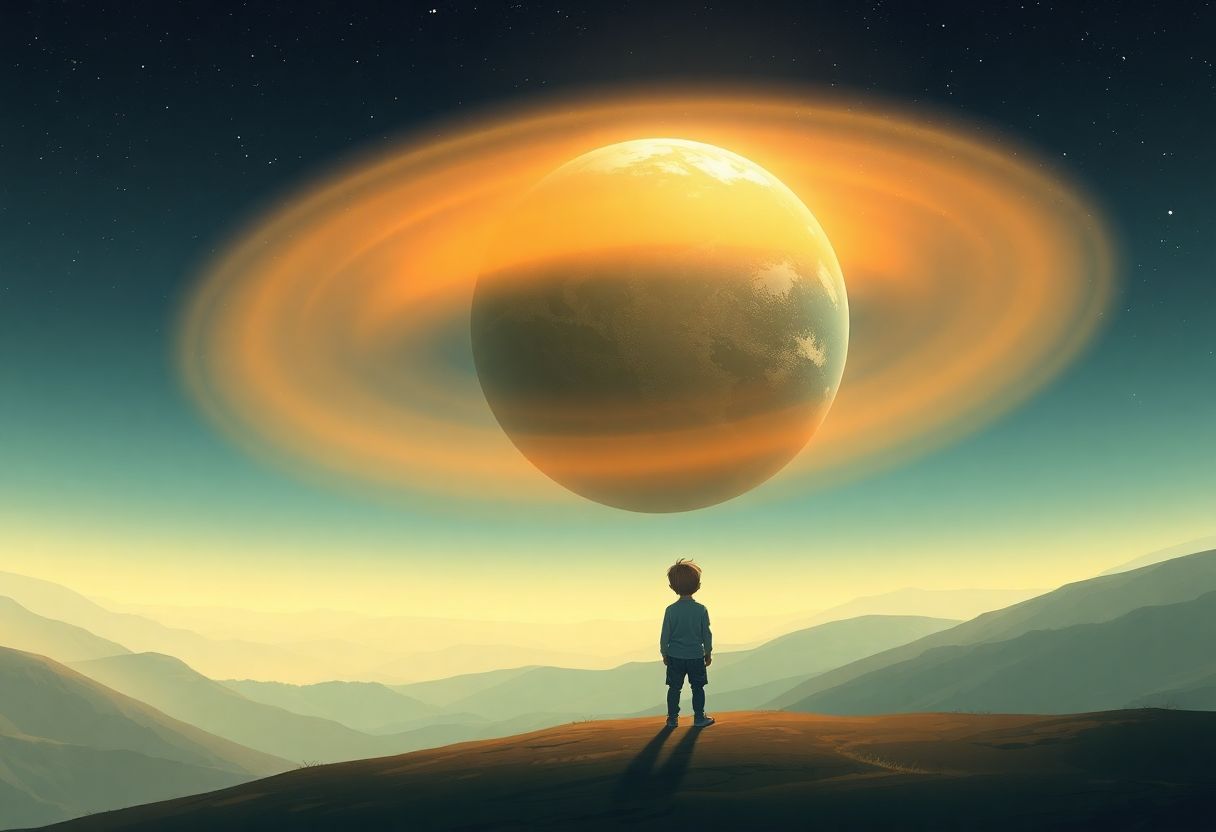
Imagine our planet Earth as a giant spaceship, floating through the cosmos with all of us aboard. Now, picture this spaceship slowly getting warmer and warmer. That's essentially what global warming is all about! It's like Earth has caught a fever, and it's been getting hotter for quite some time now.
Since 1900, our planet has warmed up by about 1.1°C (2°F). That might not sound like much, but for a whole planet, it's a big deal! Scientists who study our climate are concerned that by the year 2100, Earth could warm up by another 2-5°C (3.6-9°F) if we don't make some big changes in how we live.
The Greenhouse Effect: Earth's Cozy Blanket
To understand why Earth is warming up, we need to talk about something called the greenhouse effect. Imagine the atmosphere around our planet as a big, invisible blanket. This blanket is made up of gases like carbon dioxide, methane, and water vapor. These gases trap heat from the sun, keeping our planet warm and cozy – just like a greenhouse keeps plants warm.
Having some greenhouse gases is natural and good. Without them, Earth would be too cold for us to live on! But here's the problem: human activities are adding too many of these gases to our atmosphere. It's like we're making Earth's blanket thicker and thicker, trapping more and more heat.
The Big Culprit: Fossil Fuels
So, what's causing all these extra greenhouse gases? The main culprit is something called fossil fuels. These are things like coal, oil, and natural gas that we burn to make energy. We use this energy to power our cars, heat our homes, and run our factories.
When we burn fossil fuels, they release carbon dioxide into the air. In fact, the amount of carbon dioxide in our atmosphere is higher now than it's been in at least 420,000 years! That's a really long time – longer than humans have been around!
Other Contributors to Global Warming
While fossil fuels are the biggest cause of global warming, they're not the only one. Here are some other things that contribute:
Cutting down forests: Trees absorb carbon dioxide from the air. When we cut them down, that CO2 stays in the atmosphere.
Farming and ranching: Some farming practices and raising lots of cattle can release greenhouse gases.
Making cement: The process of making cement for buildings and roads releases a lot of CO2.
Using certain chemicals: Some man-made chemicals used in refrigerators and air conditioners are powerful greenhouse gases.
Climate Change: The Big Picture
Global warming is actually part of a bigger problem called climate change. Climate change means long-term changes in temperature, rainfall, wind, and other weather patterns. It's like Earth's weather is getting more and more unpredictable.
Some places are getting hotter and drier, while others are seeing more rain and flooding. Storms and hurricanes might become stronger. Seasons are changing too, which can really confuse plants and animals!
The Evidence is Clear
Some people wonder if climate change is really happening. But the vast majority of scientists – that's 97% or more – agree that it is real and that human activities are the main cause. We can see the evidence all around us:
Rising temperatures: Weather records show that Earth is getting warmer.
Melting ice: Glaciers and sea ice at the North and South Poles are melting faster than ever.
Rising seas: As ice melts and oceans warm up, sea levels are rising.
Changes in nature: Plants are blooming earlier, and animals are changing their migration patterns.
How Climate Change Affects Our World
Climate change isn't just about the weather getting warmer. It affects our whole planet in many ways:
Melting polar ice: The ice at the North and South Poles is melting fast. This is bad news for animals like polar bears and penguins that depend on the ice to survive.
Rising seas: As ice melts and oceans warm up, sea levels are rising. This could flood coastal areas where many people live.
Extreme weather: We're seeing more heat waves, droughts, and strong storms. These can damage homes, crops, and even hurt people.
Challenges for wildlife: As the climate changes, some plants and animals are finding it hard to adapt. Some species might even go extinct if things don't change.
What Climate Change Means for People
Climate change will affect people all over the world, but not everyone in the same way:
Food and water: Some areas might have shortages of food and clean water as the climate changes.
Homes at risk: Rising seas and more floods could force people to leave their homes in coastal areas.
Health concerns: More heat waves could cause health problems, especially for older people and young children.
Spreading diseases: Warmer temperatures might allow some diseases to spread to new areas.
Unequal impacts: Poor countries and communities often have fewer resources to deal with climate change, so they might be affected the most.
Taking Action: What We Can Do
The good news is that there's still time to make a difference! We can all help fight global warming. Here are some things you can do:
Save energy at home: Turn off lights when you leave a room, take shorter showers, and ask your parents about using energy-efficient appliances.
Green transportation: Walk, bike, or take public transportation instead of cars when possible. When your family does use a car, try to combine trips to save fuel.
Eat climate-friendly: Try eating less meat and more plant-based foods. Growing plants for food usually creates fewer greenhouse gases than raising animals.
Reduce, reuse, recycle: The less new stuff we need to make, the less energy we use. So try to reuse things when you can and always recycle!
Plant power: Trees and plants absorb carbon dioxide from the air. Planting trees or starting a garden can help fight climate change and look beautiful too!
Spread the word: Learn more about climate change and talk to your friends and family about it. The more people who know about the problem, the more we can do to solve it!
What Are World Leaders Doing?
Governments around the world are working together to address climate change:
Setting goals: Many countries have agreed to reduce their greenhouse gas emissions.
Clean energy: There's a big push to use more clean energy sources like solar and wind power instead of fossil fuels.
Protecting nature: Laws are being made to protect forests and reduce pollution.
Preparing for changes: Communities are planning for how to deal with the impacts of climate change, like rising sea levels.
The Paris Agreement: A Global Effort
In 2015, 196 countries signed an important document called the Paris Agreement. This agreement sets goals for reducing greenhouse gas emissions and limiting global warming. The main aim is to keep global temperature rise well below 2°C above pre-industrial levels, and ideally limit it to 1.5°C.
Innovation and Technology
Scientists and engineers are working hard to develop new technologies to help fight climate change:
Electric vehicles: Cars that run on electricity instead of gasoline are becoming more common.
Renewable energy: Solar panels and wind turbines are getting better and cheaper all the time.
Carbon capture: New technologies are being developed to remove carbon dioxide from the air.
Smart buildings: Buildings are being designed to use less energy for heating and cooling.
The Role of Young People
Young people all over the world are getting involved in the fight against climate change. They're organizing protests, speaking to world leaders, and coming up with innovative solutions. Remember, you're never too young to make a difference!
Conclusion: Hope for the Future
Global warming and climate change are big challenges, but there's still hope. By working together and making smart choices, we can help protect our amazing planet for the future. Every action counts, no matter how small. So let's all do our part to keep Earth cool and healthy for generations to come!
Remember, Earth is our only home in this vast universe. By understanding global warming and taking action, we can be superheroes for our planet. Together, we can create a brighter, cleaner, and more sustainable future for all living things on Earth. Are you ready to join the mission to save our planet?