The Fascinating World of Nylon: From Chemistry to Everyday Applications
Nylon, a revolutionary synthetic material, has transformed countless industries since its invention in the 1930s. This versatile polymer has become an integral part of our daily lives, from the clothes we wear to the industrial equipment we rely on. In this comprehensive exploration, we'll delve into the intricate process of nylon production, its remarkable properties, and its wide-ranging applications that continue to shape our world.
The Chemistry Behind Nylon: A Molecular Marvel
At its core, nylon is a synthetic polymer belonging to the polyamide family. While many people think of nylon as a single substance, it's actually a group of similar materials with varying chemical structures. The most common form is nylon 6,6, but other variants like nylon 6, nylon 6,12, and nylon 5,10 also exist, each with its own unique properties and applications.
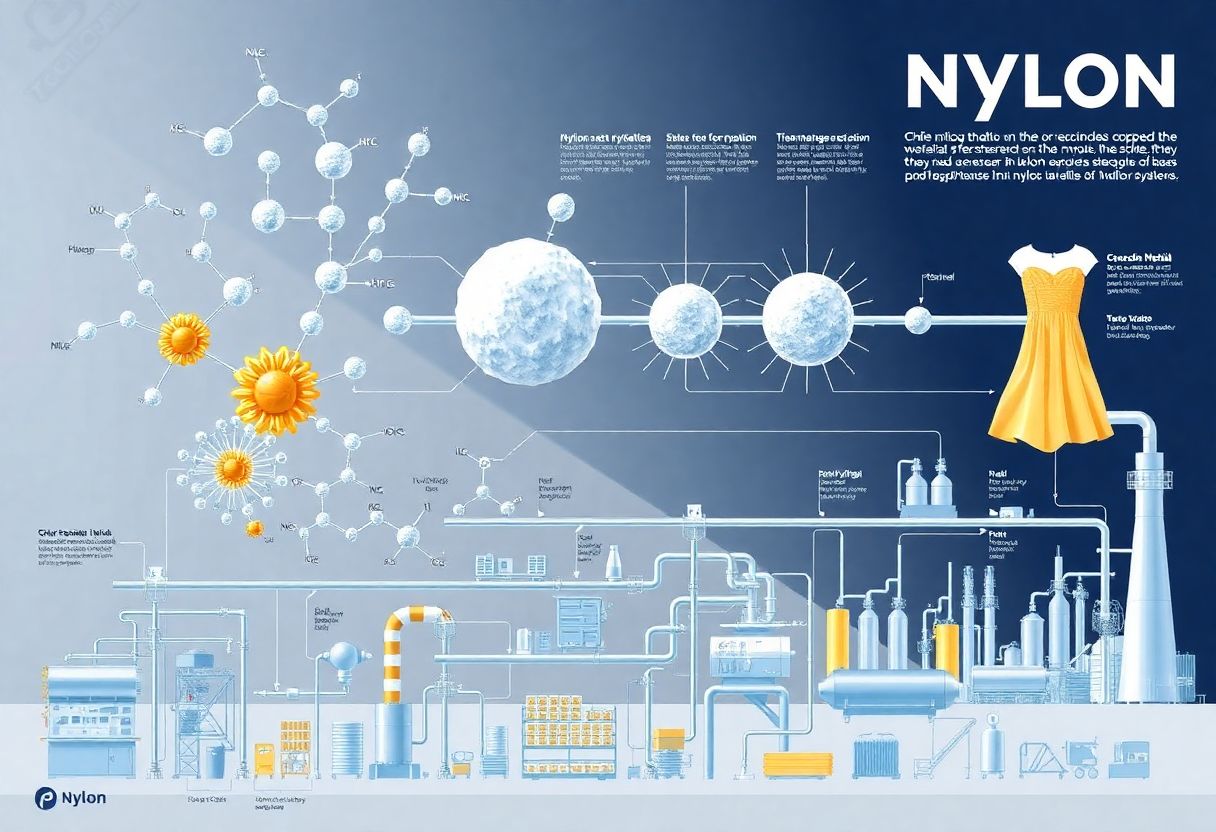
The creation of nylon involves a fascinating chemical process known as condensation polymerization. This reaction begins with two main ingredients: hexane-1,6-dicarboxylic acid (commonly known as adipic acid) and 1,6-diaminohexane (also called hexamethylenediamine). These molecules are combined under specific conditions of heat and pressure, typically around 285°C (545°F), to initiate the polymerization process.
As the reaction progresses, these smaller molecules join together, forming larger and larger chains. Each time two molecules connect, a water molecule is released as a byproduct – hence the term "condensation" polymerization. The result of this process is a long chain of repeating units, which forms the backbone of the nylon polymer.
From Raw Materials to Finished Product: The Manufacturing Process
The industrial production of nylon is a multi-step process that transforms basic chemical components into the versatile material we know and use. Let's explore this process in more detail:
Raw Material Preparation
The journey begins with the sourcing of raw materials. Adipic acid and hexamethylenediamine, the primary building blocks of nylon 6,6, are typically derived from petroleum or coal. These chemicals undergo rigorous purification processes to ensure they meet the high standards required for nylon production.
Polymerization Reaction
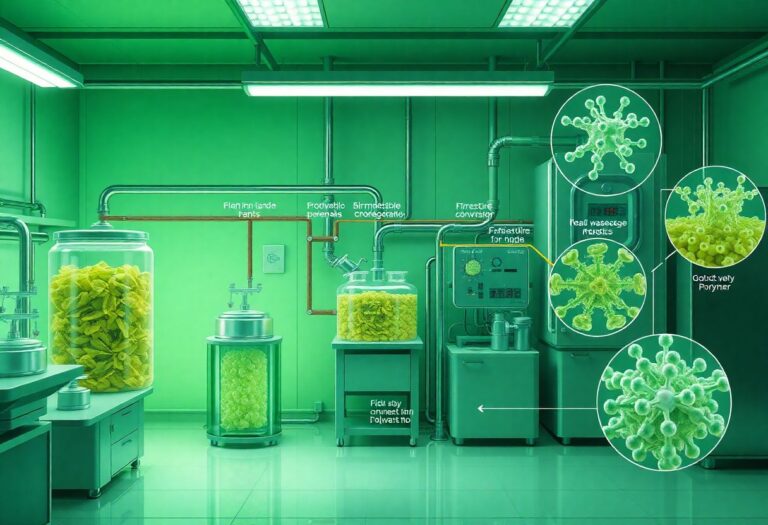
Once purified, the raw materials are introduced into a specialized pressure vessel called an autoclave. Here, under carefully controlled conditions of heat and pressure, the condensation polymerization reaction takes place. As the molecules combine and water is produced as a byproduct, it's continuously removed to drive the reaction forward.
Polymer Formation
As the reaction progresses, the small molecules gradually link together to form long chains of nylon polymer. This process results in a molten mass of nylon, ready for the next stage of production.
Extrusion and Cooling
The molten nylon is then forced through small openings in a device called an extruder. This process, known as extrusion, forms long strands of nylon. These strands are immediately cooled in water baths, solidifying the polymer into its final form.
Cutting and Processing
After cooling, the nylon strands are cut into small pellets or chips. These nylon chips serve as the raw material for various manufacturing processes, allowing for easier storage, transportation, and further processing.
Fiber Production
To create nylon fibers, which are used in textiles and many other applications, the nylon chips are remelted and extruded through a spinneret – a device featuring numerous tiny holes. This process creates extremely fine filaments of nylon, which are then stretched to align the molecules and increase their strength.
The Remarkable Properties of Nylon
Nylon's unique combination of properties has made it an indispensable material in numerous industries. Let's examine some of these key characteristics:
Strength and Durability
One of nylon's most notable features is its exceptional strength-to-weight ratio. In fact, the tensile strength of some nylon varieties is comparable to that of certain metals. This strength, combined with its durability and resistance to wear and abrasion, makes nylon ideal for applications ranging from industrial ropes to automotive components.
Elasticity and Flexibility
Nylon possesses remarkable elastic properties, allowing it to stretch and then return to its original shape. This characteristic is particularly valuable in textile applications, where it provides comfort and ease of movement in clothing.
Chemical and Moisture Resistance
Nylon demonstrates excellent resistance to many chemicals, oils, and greases. Additionally, it absorbs very little moisture, making it quick-drying and ideal for outdoor and water-resistant applications.
Low Friction Coefficient
Nylon surfaces have a naturally low coefficient of friction, making them ideal for use in bearings, gears, and other mechanical components where reduced friction is desirable.
Thermal Properties
Nylon can withstand moderately high temperatures without losing its structural integrity. This thermal stability makes it suitable for use in various high-temperature environments, from automotive engine components to kitchen utensils.
Nylon in Action: Applications Across Industries
The versatility of nylon has led to its adoption in an incredibly wide range of applications across numerous industries. Let's explore some of the most significant uses of this remarkable material:
Textiles and Fashion
Perhaps the most well-known application of nylon is in the textile industry. Nylon fibers are used to create a vast array of clothing items, including:
- Stockings and hosiery
- Swimwear and activewear
- Outerwear and windbreakers
- Undergarments and lingerie
The material's strength, elasticity, and quick-drying properties make it particularly well-suited for these applications.
Industrial and Engineering Applications
Nylon's durability and strength have made it invaluable in various industrial settings:
- Ropes and cordage for marine and climbing applications
- Conveyor belts and industrial hoses
- Parachutes and other high-performance textiles
- Monofilaments for fishing lines and tennis racket strings
Automotive Industry
The automotive sector has embraced nylon for its combination of strength, heat resistance, and light weight:
- Tire reinforcement
- Airbag materials
- Engine components such as intake manifolds and fuel lines
- Interior trim and upholstery
Consumer Goods
Nylon has found its way into numerous everyday items:
- Toothbrush bristles
- Guitar strings
- Food packaging materials
- Zip ties and cable ties
Sports and Recreation
The sporting goods industry has leveraged nylon's properties in various products:
- Tent and sleeping bag materials
- Backpack and luggage fabrics
- Ski and snowboard outerwear
- Protective gear and equipment
Medical and Healthcare
Nylon's biocompatibility and strength make it suitable for several medical applications:
- Surgical sutures
- Prosthetic limbs and orthotics
- Catheters and tubing
- Medical textiles for bandages and supports
Environmental Considerations and Future Developments
While nylon has undoubtedly revolutionized many industries, it's important to consider its environmental impact. As a synthetic polymer derived from petrochemicals, nylon presents several environmental challenges:
Non-biodegradability
Nylon is not biodegradable, meaning it can persist in the environment for many years. This longevity contributes to the growing problem of plastic pollution in our oceans and landfills.
Energy-Intensive Production
The manufacturing process for nylon requires significant energy inputs, contributing to its overall carbon footprint.
Microplastic Pollution
As nylon products wear down, they can release microfibers into the environment, particularly through washing. These microplastics can enter waterways and potentially harm marine ecosystems.
However, the scientific and industrial communities are actively working to address these concerns and develop more sustainable alternatives:
Bio-based Nylon
Researchers are exploring ways to produce nylon from renewable resources rather than petrochemicals. For example, some companies are developing nylon made from castor oil, a plant-based alternative to traditional petroleum-derived raw materials.
Recycling Technologies
New methods for recycling nylon are being developed and implemented. For instance, chemical recycling processes can break down nylon into its component monomers, which can then be used to create new nylon products.
Improved Manufacturing Processes
Efforts are underway to make nylon production more energy-efficient and less polluting. This includes optimizing reaction conditions and exploring alternative catalysts.
The Future of Nylon: Innovation and Adaptation
As we look to the future, nylon continues to evolve and find new applications:
Smart Textiles
Researchers are exploring ways to integrate nylon fibers with electronic components to create "smart" textiles. These could include fabrics that change color, regulate temperature, or even monitor vital signs.
3D Printing
Nylon filaments are becoming increasingly popular in the world of additive manufacturing. Their strength and flexibility make them ideal for creating durable, functional 3D-printed parts.
Nanocomposites
By incorporating nanoparticles into nylon, scientists are creating new materials with enhanced properties, such as improved strength, flame resistance, or electrical conductivity.
Sustainable Fashion
As the fashion industry grapples with sustainability issues, nylon is being reimagined through recycling initiatives and bio-based alternatives, paving the way for more eco-friendly clothing options.
Conclusion: The Enduring Legacy of Nylon
From its accidental discovery in DuPont's laboratories to its ubiquitous presence in our modern world, nylon has truly changed the course of history. Its unique combination of strength, versatility, and processability has made it an essential material in countless applications, touching nearly every aspect of our lives.
As we continue to innovate and address environmental concerns, nylon will undoubtedly play a significant role in shaping our future. Whether we're wearing nylon clothes, using nylon-based tools, or benefiting from its industrial applications, understanding how this remarkable material is made gives us a greater appreciation for the science and ingenuity behind the everyday items we often take for granted.
The story of nylon is a testament to the power of scientific discovery and human ingenuity. As we face the challenges of the 21st century, from climate change to resource scarcity, the lessons learned from nylon's development and widespread adoption may well guide us in creating the sustainable, high-performance materials of tomorrow. The journey of nylon from laboratory curiosity to global phenomenon serves as an inspiration for future innovations that could revolutionize our world once again.