The Rise of Biodegradable Plastics: Innovating for a Sustainable Future
In an era where environmental concerns are at the forefront of global discussions, the quest for sustainable alternatives to traditional plastics has never been more urgent. As a science and technology educator, I'm excited to delve into the world of biodegradable plastics, a field that promises to revolutionize our approach to materials and waste management. This article will explore the science, applications, challenges, and future prospects of biodegradable plastics, offering a comprehensive look at this innovative solution to one of our planet's most pressing issues.
Understanding the Basics: What Are Biodegradable Plastics?
Biodegradable plastics represent a diverse family of materials designed to break down safely in the environment, offering a potential solution to the persistent problem of plastic pollution. These materials fall into three main categories: bioplastics, biodegradable petrochemical plastics, and eco/recycled plastics.
The Science Behind Biodegradation
At its core, biodegradation is a natural process where materials are broken down by microorganisms such as bacteria and fungi. For a plastic to be considered truly biodegradable, it must completely break down into simple compounds like water, carbon dioxide, and biomass within a reasonable timeframe and without leaving behind harmful residues.
The process of biodegradation typically involves several stages:
- Biodeterioration: The material's physical properties begin to change due to environmental factors like UV light, moisture, and temperature.
- Biofragmentation: The plastic breaks into smaller pieces, increasing the surface area available for microbial action.
- Bioassimilation: Microorganisms consume the fragmented material, converting it into simpler compounds.
- Mineralization: The final stage where the material is completely converted into CO2, water, and biomass.
Diving Deeper: The World of Bioplastics
Among biodegradable plastics, bioplastics have garnered significant attention due to their origin in renewable resources. Let's explore the fascinating science behind these materials.
The Creation Process: From Plants to Polymers
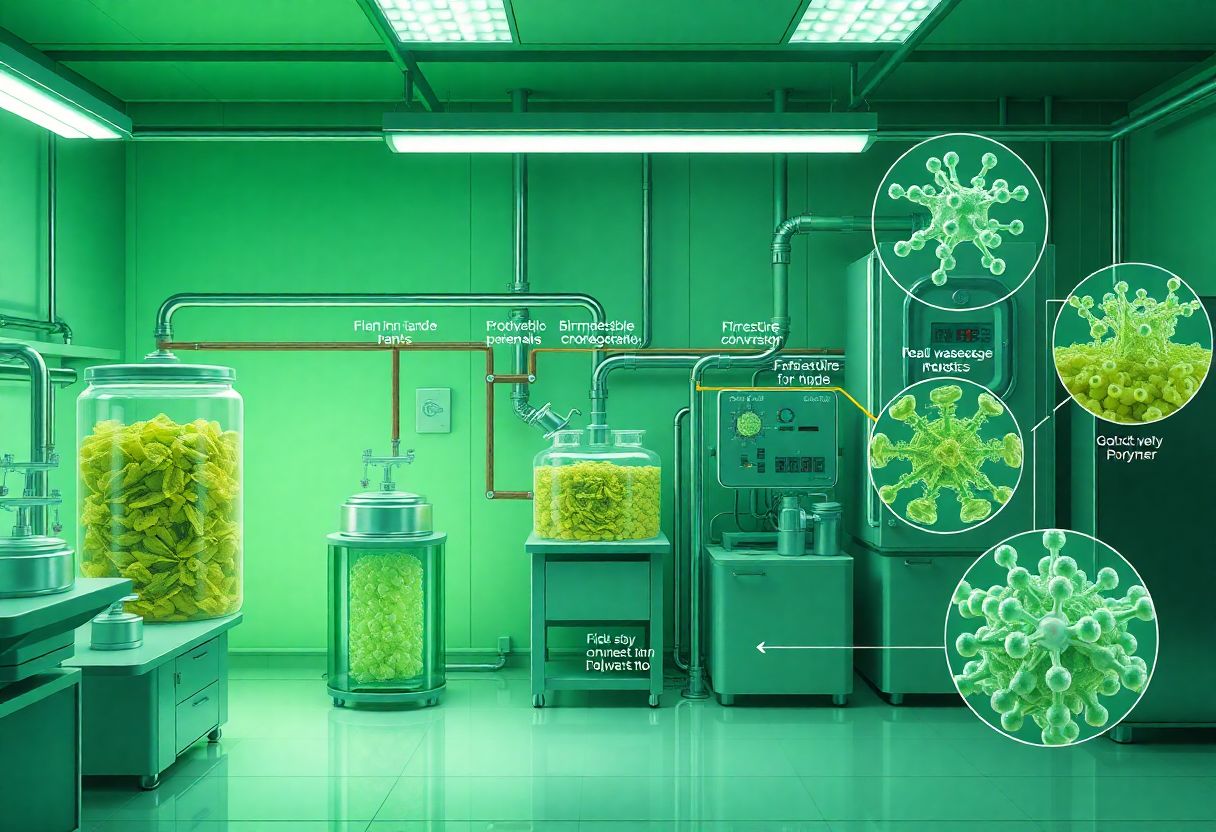
The production of bioplastics like Polylactic Acid (PLA) is a marvel of modern biotechnology. The process begins with starch-rich plants such as corn, cassava, or sugarcane. Through a series of chemical and biological processes, these plant materials are transformed into versatile plastic polymers.
Here's a more detailed look at the PLA production process:
- Starch Extraction: The starch is extracted from the plant material through grinding and separation techniques.
- Hydrolysis: The starch is broken down into simple sugars (primarily glucose) through enzymatic or acid hydrolysis.
- Fermentation: Bacteria such as Lactobacillus species ferment the glucose into lactic acid.
- Polymerization: The lactic acid molecules are linked together to form long chains of polylactic acid.
- Processing: The PLA is then processed into pellets or other forms suitable for manufacturing.
This process, while complex, results in a material with properties similar to traditional plastics but with the added benefit of biodegradability.
Molecular Structure and Properties
The unique properties of bioplastics stem from their molecular structure. PLA, for instance, is a polyester composed of repeating lactic acid units. This structure gives PLA its thermoplastic properties, allowing it to be melted and molded like conventional plastics.
The biodegradability of PLA comes from the ester bonds in its backbone, which can be broken down by enzymes produced by certain microorganisms. Under industrial composting conditions (high temperature and humidity), PLA can degrade in as little as 3-6 months.
Applications: From Packaging to Medicine
The versatility of biodegradable plastics has led to their adoption across various industries. Let's explore some of the most promising applications:
Sustainable Packaging Solutions
In the food industry, biodegradable plastics are making significant inroads. Companies like Vegware have developed entire lines of compostable food packaging, from coffee cups to salad containers. These products offer the convenience of traditional packaging with the added benefit of reduced environmental impact.
Agricultural Innovations
Biodegradable mulch films are revolutionizing agriculture. These films, made from materials like Mater-Bi (a bioplastic derived from vegetable oils and corn starch), can be plowed into the soil after use, eliminating the need for removal and disposal. Research published in the Journal of Polymers and the Environment has shown that these films can improve crop yields while reducing plastic waste in agriculture.
Medical Breakthroughs
In the medical field, biodegradable plastics are opening new possibilities in drug delivery and tissue engineering. For example, researchers at the University of Nottingham have developed biodegradable microbeads made from PLA that can deliver drugs directly to specific sites in the body, potentially revolutionizing treatments for diseases like cancer.
Consumer Goods and Beyond
From disposable razors to 3D printing filaments, biodegradable plastics are finding their way into everyday consumer goods. Companies like Bulldog Skincare have introduced razor handles made from bamboo and biodegradable plastics, offering consumers more sustainable alternatives to traditional products.
Challenges and Controversies: A Balanced Perspective
While the potential of biodegradable plastics is immense, it's crucial to address the challenges and controversies surrounding these materials.
The Composting Conundrum
One of the primary issues with biodegradable plastics is the confusion surrounding their proper disposal. Many biodegradable plastics require industrial composting facilities to break down effectively, which are not widely available in many areas. A study published in Environmental Science & Technology found that PLA and other biodegradable plastics did not degrade significantly in home composting conditions over a year-long period.
Environmental Impact Considerations
While biodegradable plastics offer benefits in terms of end-of-life disposal, their overall environmental impact is complex. A life cycle assessment published in the Journal of Cleaner Production compared PLA to traditional plastics like PET and found that while PLA had advantages in terms of fossil fuel use and greenhouse gas emissions, it scored worse in categories like eutrophication and acidification due to agricultural inputs.
Performance Limitations
Biodegradable plastics often face challenges in matching the performance characteristics of traditional plastics. For instance, PLA has a lower heat resistance compared to PET, limiting its use in hot food packaging. Ongoing research is focused on improving these properties through blending with other materials or modifying the molecular structure.
The Future of Biodegradable Plastics: Innovations on the Horizon
Despite these challenges, the field of biodegradable plastics continues to evolve rapidly. Exciting developments are on the horizon:
Next-Generation Materials
Researchers are exploring new sources for biodegradable plastics that don't compete with food production. For example, a team at the University of Tel Aviv has developed a biodegradable plastic from marine microorganisms that feed on seaweed. This innovative approach could potentially address concerns about land use while utilizing abundant marine resources.
Enhanced Biodegradation
Scientists are working on ways to enhance the biodegradability of plastics in natural environments. A study published in ACS Sustainable Chemistry & Engineering demonstrated the potential of adding specific enzymes to PLA to accelerate its breakdown in marine environments, potentially addressing the issue of plastic pollution in oceans.
Circular Economy Integration
The future of biodegradable plastics lies in their integration into a circular economy model. This involves not just creating biodegradable materials, but also developing infrastructure for their collection, composting, and reuse. Companies like Full Cycle Bioplastics are pioneering closed-loop systems where organic waste is converted into biodegradable plastics, which can then be composted and used to grow more feedstock.
Making Informed Choices: A Call to Action
As we navigate the complex landscape of biodegradable plastics, it's crucial for consumers, businesses, and policymakers to make informed decisions. Here are some key considerations:
-
Reduce and Reuse: The most sustainable option is often to reduce overall plastic use and opt for reusable alternatives where possible.
-
Proper Disposal: When using biodegradable plastics, ensure they are disposed of correctly. Look for industrial composting facilities in your area.
-
Read Labels Carefully: Not all "biodegradable" or "compostable" claims are equal. Look for certifications from reputable organizations like the Biodegradable Products Institute (BPI).
-
Support Research and Innovation: Encourage policies and investments that support the development of truly sustainable materials and waste management systems.
Conclusion: A Step Towards a Sustainable Future
Biodegradable plastics represent a promising step in our journey towards a more sustainable future. While they are not a panacea for our plastic problem, they offer valuable alternatives that can help reduce our environmental impact. As research continues and technology improves, we can expect to see even more innovative solutions emerge.
The transition to a world where plastics and the environment coexist harmoniously will require continued scientific innovation, thoughtful policy-making, and conscious consumer choices. By staying informed and making sustainable choices, we can all contribute to this important shift.
As we look to the future, it's clear that biodegradable plastics will play an increasingly important role in our efforts to create a cleaner, greener world. The journey is ongoing, but with each step, we move closer to a future where the convenience of plastics no longer comes at the cost of our planet's health.