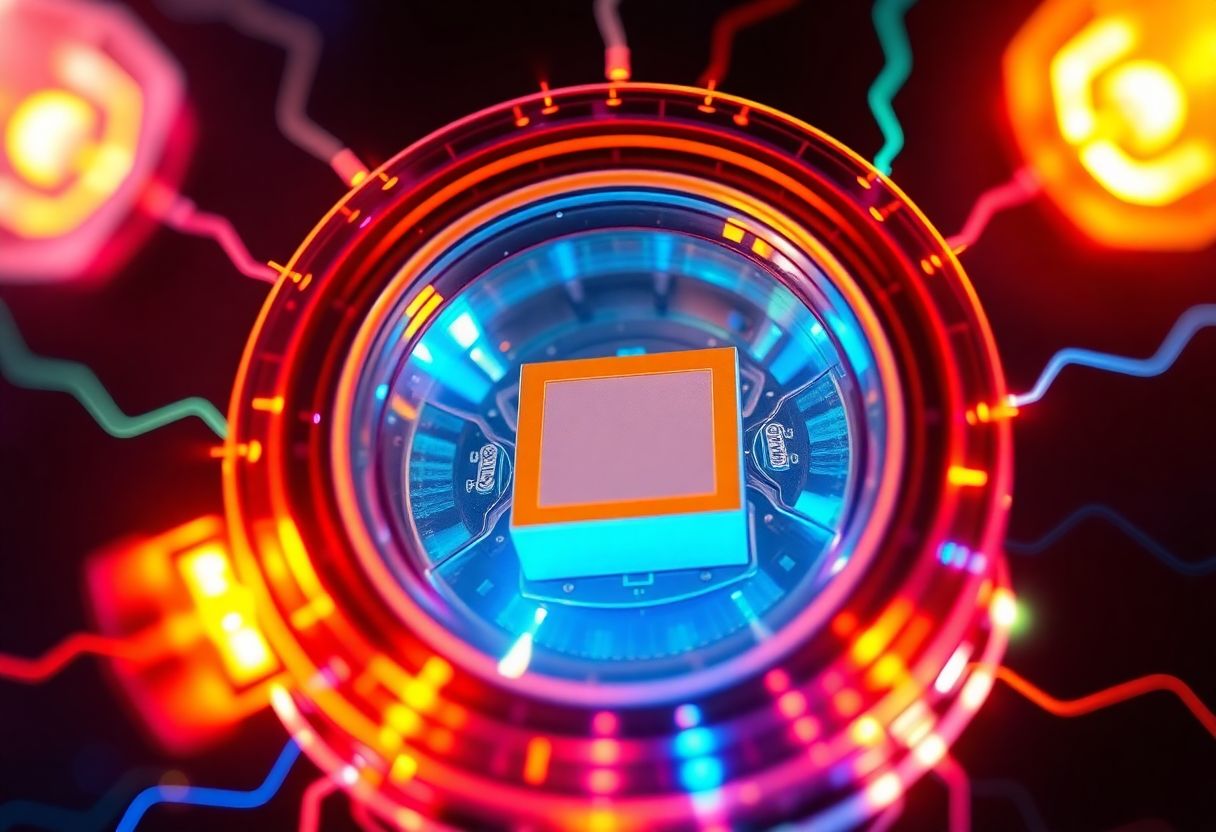
The Illuminating World of LEDs: Are They Really Diodes?
Light-emitting diodes, or LEDs, have transformed our world in ways both obvious and subtle. From the gentle glow of your smartphone's screen to the dazzling displays adorning city skylines, LEDs have become an integral part of modern life. But what exactly are these ubiquitous light sources, and how do they relate to the fundamental electronic component known as the diode? Let's embark on an illuminating journey through the science and technology of LEDs.
The Diode: The Foundation of LED Technology
To understand LEDs, we must first grasp the concept of a diode. At its core, a diode is an electronic component that allows electric current to flow in one direction while blocking it in the opposite direction. This seemingly simple behavior is the result of complex quantum mechanics at work within semiconductor materials.
The Physics of Semiconductors
Semiconductors are materials with electrical properties that fall between those of conductors and insulators. The most common semiconductor used in electronics is silicon, though others like germanium and gallium arsenide also play important roles. What makes semiconductors special is their ability to be "doped" with impurities to create two types of materials: N-type and P-type semiconductors.
N-type semiconductors have an excess of electrons, giving them a slight negative charge. P-type semiconductors, on the other hand, have an excess of "holes" — spaces where electrons could be — giving them a slight positive charge. When these two types of materials are joined together, they form a P-N junction, the heart of a diode.
The P-N Junction: Where the Magic Happens
At the interface between the P-type and N-type materials, a region called the depletion zone forms. This zone acts as a barrier to electron flow, giving the diode its one-way properties. When a voltage is applied in the "forward" direction (positive to P-type, negative to N-type), the depletion zone narrows, allowing current to flow. This is called forward bias. When the voltage is reversed, the depletion zone widens, preventing current flow — a state known as reverse bias.
LEDs: Diodes That Shine
Now that we understand diodes, we can explore how LEDs take this concept to a luminous conclusion. An LED is indeed a diode, but with a crucial difference: it's designed to emit light when current flows through it.
The Light-Emitting Process
When an LED is forward-biased, electrons from the N-type material cross the junction and recombine with holes in the P-type material. This recombination releases energy in the form of photons — particles of light. The color of the light emitted depends on the energy gap between the electron and hole states, which is determined by the semiconductor materials used.
For example, aluminum gallium arsenide (AlGaAs) produces red and infrared light, while indium gallium nitride (InGaN) can produce green, blue, and even ultraviolet light. The development of efficient blue LEDs by Isamu Akasaki, Hiroshi Amano, and Shuji Nakamura was so significant that it earned them the Nobel Prize in Physics in 2014.
The Structure of an LED
An LED's structure is optimized to produce and emit light efficiently. At its core is the semiconductor chip where the P-N junction resides. This chip is mounted in a reflector cup that directs the light upward. The entire assembly is then encased in an epoxy lens that both protects the chip and helps focus the light.
The LED Revolution: From Indicator Lights to Illumination
The history of LEDs is a testament to the rapid pace of technological advancement. The phenomenon of electroluminescence — the principle behind LEDs — was first observed in 1907 by Henry Joseph Round. However, it wasn't until 1962 that Nick Holonyak Jr. developed the first practical visible-spectrum LED at General Electric.
Initially, LEDs were limited to low-brightness applications like indicator lights on electronic devices. But as the technology improved, LEDs found their way into an ever-expanding range of applications. Today, LEDs are used in everything from home and street lighting to automotive headlights, from massive stadium displays to the screens of our smartphones and televisions.
The Advantages of LED Technology
LEDs have several key advantages over traditional light sources:
-
Energy Efficiency: LEDs convert a much higher percentage of electrical energy into light, rather than heat, compared to incandescent or fluorescent bulbs. Modern LEDs can achieve efficiencies of over 80%, compared to about 10% for incandescent bulbs.
-
Longevity: An LED can last up to 50,000 hours or more, far outlasting traditional light sources. This reduces replacement costs and waste.
-
Durability: With no filaments or glass components, LEDs are highly resistant to shock and vibration.
-
Directional Light: LEDs emit light in a specific direction, reducing the need for reflectors and diffusers that can trap light.
-
Instant On: Unlike some fluorescent lights, LEDs reach full brightness almost instantly.
-
Environmental Benefits: LEDs contain no mercury and produce less heat, making them more environmentally friendly.
The Future of LED Technology
As impressive as current LED technology is, researchers and engineers are continually pushing the boundaries of what's possible. Some exciting areas of development include:
-
Improved Efficiency: While LEDs are already highly efficient, there's still room for improvement. Researchers are working on LEDs that convert even more electrical energy into light, potentially reaching efficiencies above 90%.
-
New Colors and Spectra: Development of LEDs that produce specific wavelengths could lead to specialized applications in medicine, agriculture, and manufacturing.
-
Flexible and Printable LEDs: Advancements in organic LEDs (OLEDs) and manufacturing techniques may lead to lights and displays that can be printed or woven into fabrics.
-
Li-Fi (Light Fidelity): Using LEDs to transmit data could provide faster and more secure wireless communication than traditional Wi-Fi.
-
Smart Lighting: Integration of LEDs with sensors and control systems is enabling adaptive lighting in homes, offices, and cities, potentially leading to significant energy savings and improved quality of life.
Conclusion: LEDs — Diodes That Illuminate Our World
In answer to our original question: Yes, LEDs are indeed diodes. They are specialized diodes that have been engineered to emit light when an electric current passes through them. This simple yet profound adaptation of diode technology has revolutionized how we illuminate and interact with our world.
From their humble beginnings as indicator lights to their current status as a cornerstone of modern lighting and display technology, LEDs have come a long way. Their unique properties — energy efficiency, longevity, and versatility — have made them indispensable in countless applications.
As we look to the future, it's clear that LEDs will continue to play a crucial role in shaping our technological landscape. Whether it's in the lights that illuminate our cities, the screens that connect us to the digital world, or in cutting-edge applications we have yet to imagine, LEDs are set to shine brightly in our future.
The story of LEDs is a shining example of how fundamental scientific understanding — in this case, of semiconductor physics — can lead to transformative technologies. As we continue to explore the possibilities of manipulating light at the atomic level, who knows what brilliant innovations the future may hold? One thing is certain: the future of LED technology looks very bright indeed.