The Illuminating World of OLEDs: How Organic Light-Emitting Diodes Work
From smartphones to cutting-edge televisions, Organic Light-Emitting Diodes (OLEDs) have revolutionized the way we experience visual technology. This remarkable innovation has ushered in an era of ultra-thin, energy-efficient displays with unparalleled image quality. In this comprehensive exploration, we'll delve into the fascinating world of OLEDs, unraveling their inner workings, advantages, and the exciting future they promise.
The Evolution of Display Technology
To truly appreciate the leap that OLEDs represent, it's essential to understand the journey of display technology. In the 1940s, the first televisions relied on bulky cathode-ray tubes (CRTs), devices so large they required vertical positioning with mirrors to reflect images. These CRTs dominated the market for decades, gradually improving but remaining fundamentally bulky and energy-intensive.
The dawn of the new millennium saw the rise of Liquid Crystal Display (LCD) technology, bringing flat screens to homes and offices worldwide. While a significant advancement, LCDs still relied on backlighting, limiting their ability to produce true blacks and consuming considerable energy.
Enter OLEDs. First introduced in the late 1980s by researchers at Eastman Kodak, OLEDs promised a new paradigm in display technology. Unlike their predecessors, OLEDs are self-emissive, meaning each pixel produces its own light. This fundamental difference has far-reaching implications for display quality, energy efficiency, and form factor.
The Science Behind OLEDs
At its core, an OLED is a semiconductor device that emits light when an electric current passes through it. The term "organic" in OLED refers to the carbon-based compounds used in its light-emitting layers. These organic materials are carefully engineered to conduct electricity and emit light efficiently.
The Anatomy of an OLED
An OLED's structure can be likened to a multi-layered sandwich, with each layer playing a crucial role:
-
Substrate: This foundation layer, typically made of glass, plastic, or metal foil, provides structural support for the entire device.
-
Anode: A transparent layer, often composed of indium tin oxide (ITO), that injects positive charges (holes) into the organic layers.
-
Hole Transport Layer (HTL): This layer facilitates the movement of holes from the anode towards the emissive layer.
-
Emissive Layer: The heart of the OLED, where light is produced through the recombination of electrons and holes.
-
Electron Transport Layer (ETL): Similar to the HTL, but for electrons moving from the cathode.
-
Cathode: The top electrode, typically made of metals like aluminum or magnesium, which injects electrons into the organic layers.
-
Encapsulation: A protective layer that shields the sensitive organic materials from moisture and oxygen.
The Light Emission Process
The process of light emission in an OLED is a remarkable dance of subatomic particles:
-
When a voltage is applied across the OLED, the cathode is made negative relative to the anode.
-
This causes electrons to flow from the cathode through the electron transport layer into the emissive layer.
-
Simultaneously, the anode removes electrons from the hole transport layer, effectively creating positively charged "holes."
-
In the emissive layer, electrons and holes meet and recombine. This recombination causes a drop in the energy level of the electrons.
-
The energy difference is released in the form of photons – light.
The color of the emitted light depends on the energy gap between the electron's initial and final states, which is determined by the chemical structure of the organic molecules in the emissive layer. By using different organic compounds, manufacturers can produce OLEDs that emit red, green, blue, or even white light.
Types of OLEDs
There are two primary types of OLED displays, each with its own strengths and applications:
PMOLED (Passive-Matrix OLED)
PMOLEDs have a simpler structure, where the anode and cathode are arranged in perpendicular strips. The intersection of these strips forms pixels. While less complex to manufacture, PMOLEDs are less energy-efficient for larger displays and have slower refresh rates. They're typically used in smaller devices like MP3 players, car radios, and some wearables.
AMOLED (Active-Matrix OLED)
AMOLEDs incorporate a thin-film transistor (TFT) backplane, which provides independent control over each pixel. This allows for faster refresh rates, lower power consumption, and better resolution, making AMOLEDs ideal for larger displays and video content. Most high-end smartphones and OLED TVs use AMOLED technology.
Light-Emitting Polymers (LEPs): The Flexible Frontier
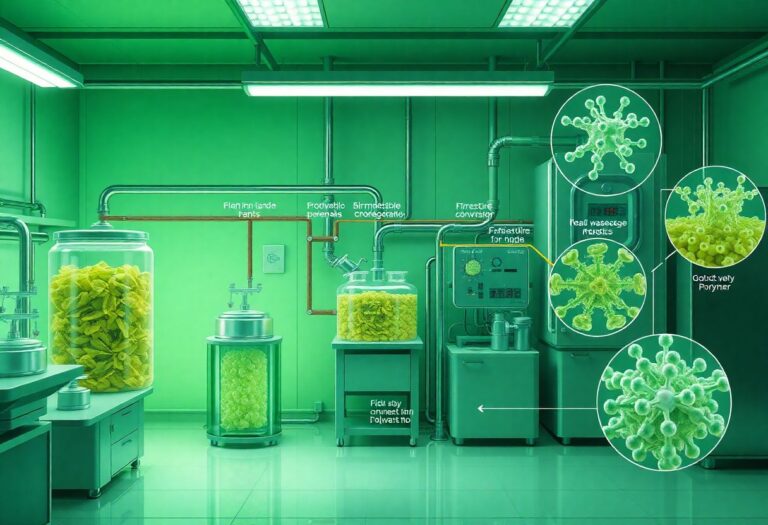
A subset of OLEDs, Light-Emitting Polymers (LEPs) or Polymer Light-Emitting Diodes (PLEDs), use large plastic molecules called polymers as their emissive material. LEPs offer some unique advantages:
- They can be solution-processed, potentially allowing for cheaper, large-scale manufacturing techniques like inkjet printing.
- Their inherent flexibility makes them ideal for applications requiring bendable or rollable displays.
- They open up possibilities for large-area lighting panels and displays.
While LEPs are still in earlier stages of commercialization compared to small-molecule OLEDs, they represent an exciting frontier in display and lighting technology.
The Advantages of OLED Technology
OLEDs offer several compelling benefits that have driven their rapid adoption in various applications:
Superior Image Quality
The self-emissive nature of OLEDs allows for pixel-perfect control over light output. This results in several image quality improvements:
- Infinite contrast ratios: OLEDs can achieve true blacks by simply turning off pixels, resulting in contrast ratios that far exceed what's possible with LCD technology.
- Wide color gamut: OLEDs can reproduce a broader range of colors than traditional displays, leading to more vibrant and lifelike images.
- Fast response times: OLEDs can switch states much faster than LCDs, reducing motion blur and improving the viewing experience for fast-moving content.
- Wide viewing angles: Unlike LCDs, which can suffer from color shifts when viewed off-angle, OLEDs maintain consistent image quality from almost any viewing position.
Energy Efficiency
OLEDs are inherently more energy-efficient than LCDs, particularly when displaying darker content. Since black pixels are simply turned off, they consume no power. This can lead to significant energy savings, especially in mobile devices where battery life is crucial.
Form Factor Flexibility
The thin and potentially flexible nature of OLEDs opens up new design possibilities:
- Ultra-thin displays: OLED panels can be less than 1mm thick, allowing for sleeker device designs.
- Flexible and foldable displays: The organic layers in OLEDs can be deposited on flexible substrates, enabling curved, bendable, and even foldable displays.
- Transparent displays: By using transparent electrodes and organic layers, it's possible to create OLED displays that are see-through when turned off.
Challenges and Limitations
Despite their many advantages, OLEDs face several challenges that researchers and manufacturers are actively working to overcome:
Lifespan and Burn-in
The organic materials in OLEDs can degrade over time, leading to reduced brightness and color shifts. This degradation can occur unevenly if static images are displayed for extended periods, resulting in image retention or "burn-in." While modern OLED displays have significantly improved in this regard, it remains a concern, particularly for applications with static elements like TV channel logos or smartphone status bars.
Blue OLED Longevity
Blue OLEDs tend to have shorter lifespans than their red and green counterparts. This is due to the higher energy levels required to produce blue light, which can lead to faster degradation of the organic materials. Improving the efficiency and longevity of blue OLEDs is an active area of research, with potential solutions including the use of phosphorescent materials or thermally activated delayed fluorescence (TADF) emitters.
Manufacturing Complexity and Cost
The production of OLEDs, especially large panels, can be more complex and expensive than LCD manufacturing. This is partly due to the need for precise deposition of multiple thin layers and the sensitivity of organic materials to moisture and oxygen, requiring careful encapsulation.
Real-World Applications
OLEDs have found their way into a wide range of products, revolutionizing several industries:
Smartphones and Wearables
Many high-end smartphones now feature AMOLED displays, offering vivid colors, deep blacks, and energy efficiency. The technology's thinness and flexibility have also enabled innovations like in-display fingerprint sensors and curved edge displays. In wearables, OLEDs' energy efficiency and form factor flexibility make them ideal for smartwatches and fitness trackers.
Televisions
OLED TVs have set new standards for picture quality in home entertainment. Their ability to produce perfect blacks and wide color gamuts has made them a favorite among videophiles and home theater enthusiasts. As manufacturing techniques improve and costs decrease, OLED TVs are becoming increasingly accessible to mainstream consumers.
Lighting
OLED panels can create unique, diffuse light sources that are ideal for ambient lighting. Their thinness and potential flexibility allow for creative lighting designs that were previously impossible. While still more expensive than LED lighting for general use, OLEDs are finding niches in high-end architectural lighting and automotive applications.
Automotive Displays
The automotive industry is increasingly adopting OLED technology for both interior displays and exterior lighting. OLED dashboards offer improved readability and design flexibility, while OLED taillights can create distinctive lighting signatures and potentially improve safety through faster response times.
Virtual and Augmented Reality
OLED microdisplays are well-suited for near-eye applications in virtual and augmented reality headsets. Their fast response times reduce motion sickness, while their high contrast ratios and color accuracy contribute to more immersive experiences.
The Future of OLED Technology
As OLED technology continues to mature, several exciting developments are on the horizon:
Foldable and Rollable Displays
The flexibility of OLEDs is enabling entirely new form factors. Foldable smartphones that can transform into tablets are already on the market, and we can expect to see this technology applied to larger devices like laptops and televisions. LG has already demonstrated a rollable OLED TV that can disappear into a compact base when not in use.
Transparent Displays
Transparent OLEDs have the potential to turn any glass surface into a display. This could revolutionize fields like architecture, retail, and automotive design. Imagine windows that can switch between being transparent and displaying information, or car windshields with integrated heads-up displays.
Improved Efficiency and Lifespan
Ongoing research into new organic materials and device architectures promises to address current limitations in OLED technology. Advancements in areas like TADF emitters and quantum dot-OLED hybrids could lead to displays with even better color reproduction, higher efficiency, and longer lifespans.
Printable Electronics
The development of solution-processable OLEDs and LEPs could eventually lead to printable displays. This would potentially allow for large-scale, low-cost production of displays on a variety of substrates, opening up new applications and making the technology more accessible.
Environmental Considerations
As OLEDs become more prevalent, it's crucial to consider their environmental impact:
Energy Efficiency
The superior energy efficiency of OLEDs, particularly when displaying darker content, could lead to significant energy savings as they replace older display technologies. This is especially important in mobile devices and large-format displays like televisions.
Material Use and Recycling
While OLEDs can be made very thin, potentially reducing material use, they do rely on some rare elements like indium. Developing effective recycling processes for OLED displays is an important area of research to ensure the technology's long-term sustainability.
Manufacturing Impact
The production of OLEDs can be energy-intensive and involves the use of various chemicals. As the industry scales up, it's important to develop cleaner, more efficient manufacturing processes to minimize environmental impact.
Conclusion: Illuminating the Future
OLEDs represent a quantum leap in display technology, offering unparalleled image quality, energy efficiency, and design flexibility. From the screens in our pockets to the televisions in our living rooms, OLEDs are transforming how we interact with visual information.
As research continues and manufacturing techniques improve, we can expect OLEDs to become even more prevalent in our daily lives. The technology's potential extends far beyond traditional displays, promising to change how we light our homes, interact with information in public spaces, and even how we experience virtual and augmented realities.
The story of OLEDs is a testament to the power of scientific research and technological innovation. What began as a curiosity in organic semiconductors has blossomed into a multi-billion dollar industry that's reshaping our visual world. As we look to the future, one thing is clear: the glow of OLEDs will continue to brighten our lives in ways we're only beginning to imagine.