The Science Behind Electric Toothbrushes: How They Work and Why They’re Effective
Electric toothbrushes have become increasingly popular in recent years, promising cleaner teeth and healthier gums. But how exactly do these high-tech oral hygiene tools work, and are they truly more effective than their manual counterparts? In this comprehensive guide, we'll dive deep into the inner workings of electric toothbrushes, explore the different types available, and examine the scientific evidence behind their effectiveness.
The Evolution of Tooth Brushing Technology
Before we delve into the mechanics of electric toothbrushes, it's worth taking a brief look at the history of oral hygiene. Humans have been cleaning their teeth for thousands of years, with early civilizations using chew sticks, animal hair bristles, and even salt and chalk as abrasives. The modern toothbrush as we know it, with nylon bristles and a plastic handle, wasn't invented until the 1930s.
Electric toothbrushes made their debut in the 1950s, but it wasn't until the 1990s that they became widely available and affordable for the average consumer. Today, electric toothbrushes come in a variety of styles and price points, from basic battery-operated models to high-end smart brushes with artificial intelligence and app connectivity.
The Anatomy of an Electric Toothbrush
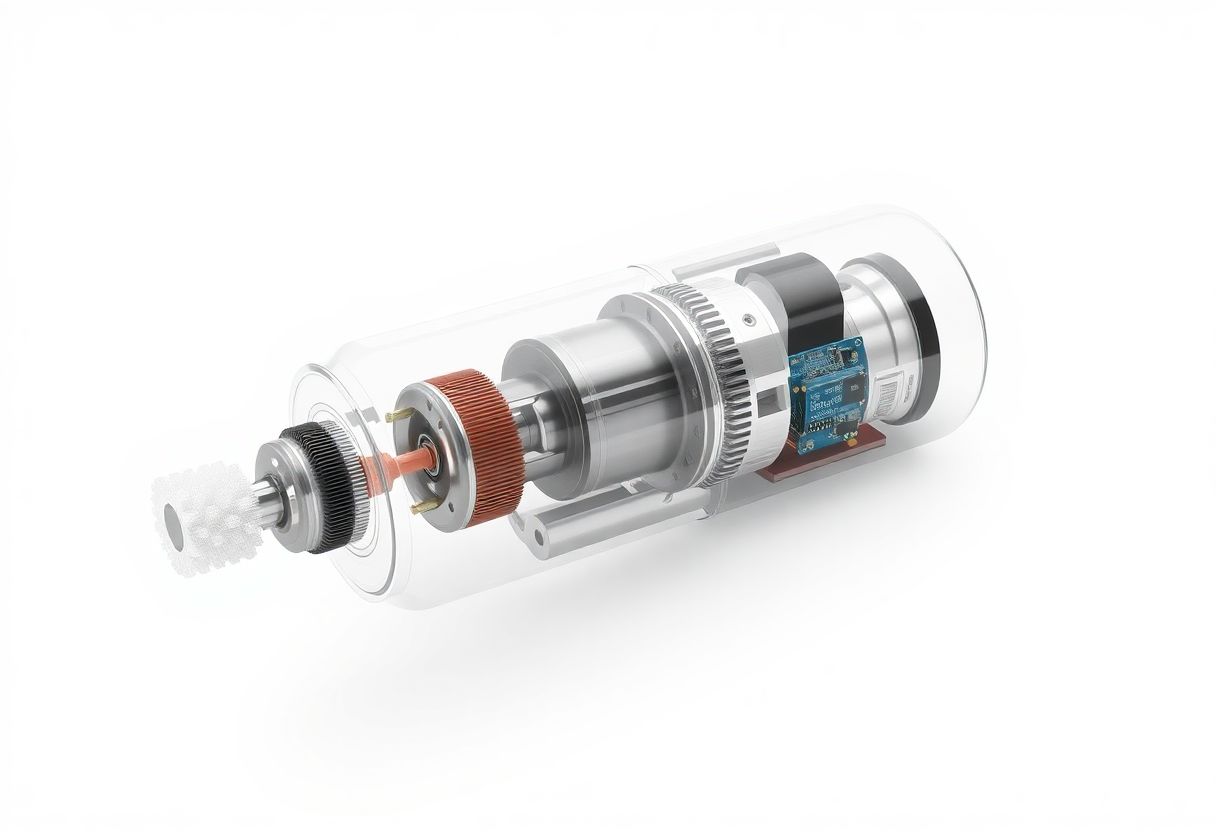
At first glance, an electric toothbrush may look like a slightly bulkier version of its manual counterpart. However, beneath the surface lies a complex system of components working together to provide a superior cleaning experience. Let's break down the key parts of a typical electric toothbrush:
Brush Head
The brush head is the removable top part of the toothbrush that does the actual cleaning. It typically consists of a small, round cluster of bristles, although some models feature larger, more traditionally shaped heads. The bristles are often made of nylon and may be arranged in different patterns to optimize cleaning efficiency.
Handle
The handle houses most of the toothbrush's internal components. It's designed to be comfortable to hold and is usually waterproof to protect the electronics inside.
Motor
The heart of an electric toothbrush is its motor. This small but powerful component is responsible for generating the rapid movements that make electric toothbrushes so effective. Depending on the type of toothbrush, the motor may produce rotary, oscillating, or vibrating motions.
Rechargeable Battery
Most modern electric toothbrushes use rechargeable batteries, typically lithium-ion or nickel-metal hydride (NiMH). These batteries can power the brush for several days to weeks between charges, depending on the model and usage.
Circuit Board
The circuit board controls the toothbrush's various functions, including power management, timers, and pressure sensors (in more advanced models).
Crank and Gear Mechanism
This ingenious system is what translates the motor's rotational movement into the back-and-forth or oscillating motion of the brush head. It's a miniaturized version of the crank mechanism you might find in a car engine or a bicycle pedal.
How Electric Toothbrushes Work: The Science Behind the Clean
Now that we understand the basic components, let's explore how electric toothbrushes actually clean your teeth. The key lies in the rapid movement of the brush head, which can be categorized into three main types:
1. Rotating-Oscillating
Rotating-oscillating toothbrushes are the most common type. Here's how they work:
- The motor spins at high speed, typically around 5,000 to 7,500 rotations per minute.
- The crank and gear mechanism converts this rotational motion into a back-and-forth oscillating movement.
- The brush head, usually small and round, rotates clockwise and then counterclockwise in rapid succession.
- This motion helps to dislodge plaque and food particles from teeth and gums more effectively than manual brushing alone.
The oscillating action of these brushes is designed to mimic the circular motion dentists recommend for manual brushing, but at a much higher speed and consistency than most people can achieve by hand.
2. Sonic
Sonic toothbrushes take the concept of rapid movement to the next level. Here's what sets them apart:
- The brush head vibrates at extremely high frequencies, typically around 260 Hz or 31,000 brush strokes per minute.
- This high-frequency vibration creates two cleaning actions: mechanical and fluid dynamics.
- The mechanical action is similar to other electric toothbrushes, with the bristles physically scrubbing the teeth and gums.
- The fluid dynamics action is unique to sonic brushes. The rapid vibrations create turbulence in the mixture of saliva, toothpaste, and water in your mouth, potentially helping to dislodge plaque and bacteria in hard-to-reach areas.
Some studies suggest that this fluid dynamics effect can clean beyond where the bristles actually touch, although the extent and significance of this are still debated in the scientific community.
3. Ultrasonic
Ultrasonic toothbrushes are less common but offer a unique approach to cleaning:
- These brushes use ultrasound waves, typically at a frequency of 1.6 MHz (1.6 million cycles per second).
- The ultrasound waves create microscopic bubbles in the fluid surrounding your teeth.
- These bubbles implode, creating tiny shockwaves that can break up plaque and kill bacteria.
- Some ultrasonic toothbrushes also incorporate sonic vibrations for additional mechanical cleaning.
Ultrasonic toothbrushes are often touted as being gentler on teeth and gums because they rely less on physical scrubbing action. However, more research is needed to fully understand their long-term effectiveness compared to other types of electric toothbrushes.
The Effectiveness of Electric Toothbrushes: What Does the Science Say?
With all the hype surrounding electric toothbrushes, it's natural to wonder if they're really more effective than manual brushing. Numerous studies have been conducted to answer this question, and the results are generally positive for electric toothbrushes.
A 2014 Cochrane review, which analyzed 56 studies involving 5,068 participants, found that electric toothbrushes reduced plaque by 21% and gingivitis by 11% after three months of use, compared to manual toothbrushes. The review concluded that electric toothbrushes, particularly those with rotating-oscillating heads, were more effective at removing plaque and reducing gingivitis than manual brushing.
Another study published in the Journal of Clinical Periodontology in 2019 looked at the long-term effects of electric toothbrush use. The study followed 2,819 participants over 11 years and found that those who used electric toothbrushes had healthier gums, less tooth decay, and retained 19% more teeth than those who used manual toothbrushes.
However, it's important to note that proper brushing technique and consistency are crucial factors in maintaining oral health, regardless of the type of toothbrush used. Even the most advanced electric toothbrush can't compensate for poor brushing habits or infrequent use.
Advanced Features in Modern Electric Toothbrushes
As technology continues to advance, electric toothbrushes are becoming increasingly sophisticated. Here are some of the features you might find in high-end models:
Pressure Sensors
Many electric toothbrushes now include pressure sensors that alert you if you're brushing too hard. This is important because excessive pressure can damage your gums and wear down tooth enamel over time. When the sensor detects too much pressure, it may reduce the brush's power or activate a warning light or sound.
Timers and Quadrant Pacers
To encourage thorough brushing, many electric toothbrushes include timers that alert you when you've brushed for the dentist-recommended two minutes. Some also feature quadrant pacers that signal every 30 seconds, prompting you to move to a different section of your mouth.
Multiple Brushing Modes
Advanced electric toothbrushes often offer various brushing modes tailored to different needs, such as sensitive teeth, gum care, or whitening. These modes adjust the speed and intensity of the brush movements to optimize cleaning for specific purposes.
Smart Connectivity
The latest innovation in electric toothbrushes is smart technology. These brushes can connect to smartphone apps via Bluetooth, offering features like:
- Real-time feedback on brushing technique
- Personalized brushing plans
- Tracking of brushing habits over time
- Reminders to replace brush heads
While these features can be helpful for some users, it's worth noting that they're not necessary for effective tooth cleaning. A basic electric toothbrush used properly can be just as effective as a high-tech model.
Environmental and Practical Considerations
While electric toothbrushes offer many benefits, it's important to consider their environmental impact:
- Electric toothbrushes contribute to electronic waste when disposed of improperly.
- Regular replacement of brush heads generates plastic waste.
- The production and transportation of electric toothbrushes have a larger carbon footprint than manual brushes.
To mitigate these concerns, some manufacturers are developing more eco-friendly options, such as brushes with replaceable batteries or recyclable components. As a consumer, you can reduce your environmental impact by:
- Choosing a durable, long-lasting electric toothbrush
- Properly recycling old brush heads and batteries
- Considering models with replaceable parts to extend the life of the device
From a practical standpoint, electric toothbrushes do require more maintenance than manual brushes. They need to be charged regularly, and the brush heads need to be replaced every three to four months. They're also more expensive upfront, although this cost can be offset over time by the potential for improved oral health and reduced dental bills.
Conclusion: The Future of Oral Hygiene
Electric toothbrushes have come a long way since their invention in the 1950s. Today's models offer a level of cleaning power and technological sophistication that was unimaginable just a few decades ago. The scientific evidence suggests that, when used properly, electric toothbrushes can indeed provide superior plaque removal and gum health compared to manual brushing.
Looking to the future, we can expect to see continued innovation in the field of oral care. Advances in materials science may lead to more eco-friendly designs, while improvements in battery technology could extend the time between charges. We may also see further integration of artificial intelligence and smart technology, potentially offering even more personalized and effective brushing experiences.
However, it's crucial to remember that no toothbrush, no matter how advanced, can replace good oral hygiene habits. Regular brushing (at least twice a day for two minutes), flossing, and dental check-ups remain the cornerstones of maintaining a healthy mouth.
Whether you choose a high-tech sonic brush or a simple rotating model, an electric toothbrush can be a valuable tool in your oral care routine. By understanding how these devices work, you can make an informed decision and get the most out of your electric toothbrush for years to come. After all, a healthy smile is a technology we can all get behind.