1977 Quarter Value: A Coin Worth Thousands Could Be Hidden In Your Pockets
As a professional numismatist who has spent decades examining rare coins, I still feel a rush of excitement when I discover valuable quarters hiding in plain sight. The 1977 Washington Quarter series holds particular fascination, as these seemingly ordinary coins can be worth thousands of dollars. Recently, a remarkable error variety from this year sold for nearly $5,000 at auction – proving that incredible numismatic treasures may be lurking in your pocket change.
The Historical Significance of 1977 Quarters
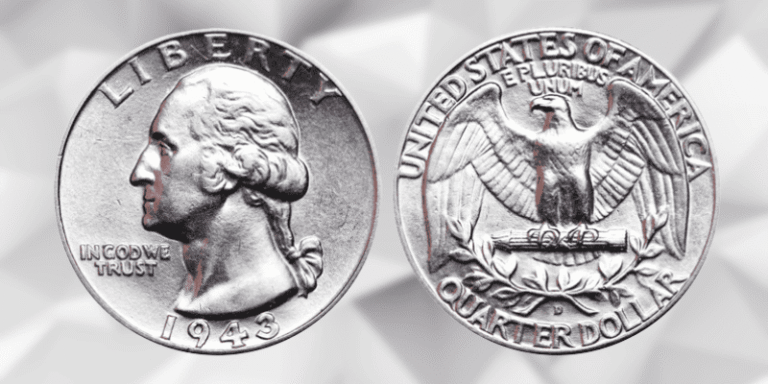
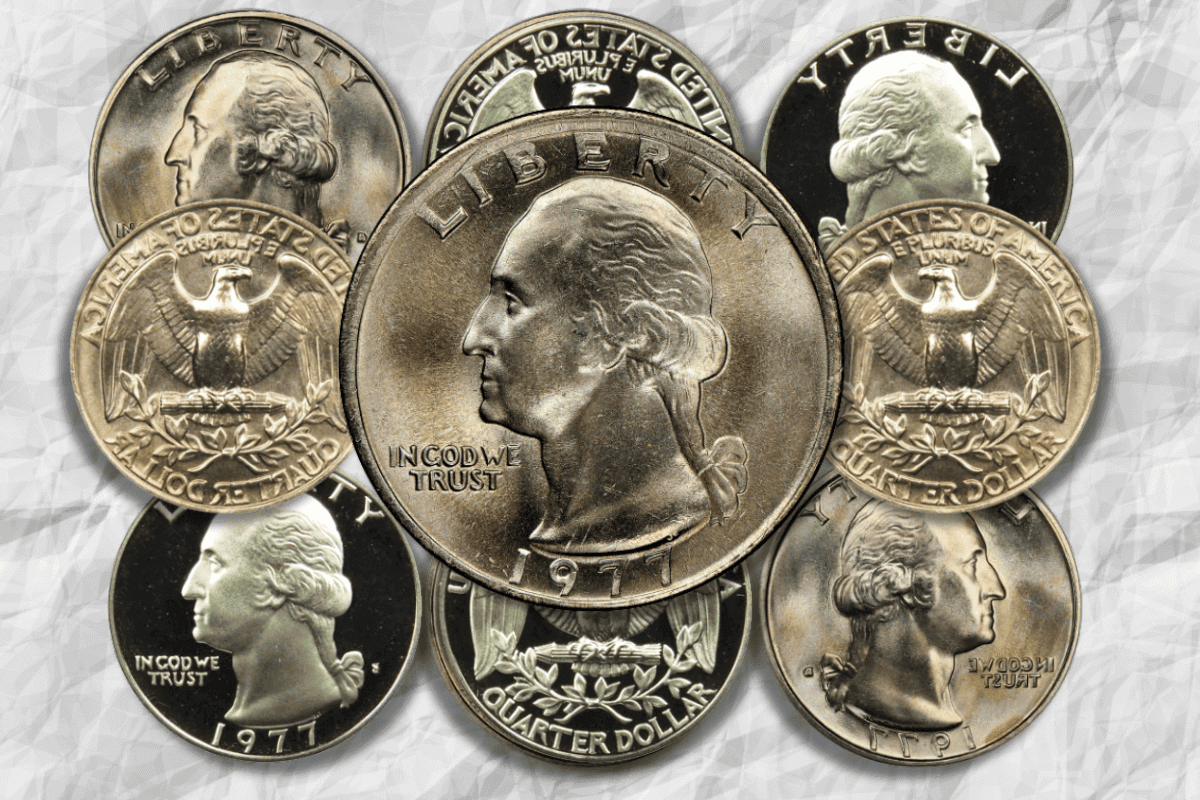
The year 1977 marked an important transition in American coinage. Following the special Bicentennial quarter designs of 1976, the U.S. Mint returned to John Flanagan‘s classic Washington Quarter design featuring the heraldic eagle reverse. This changeover created prime conditions for valuable minting errors and varieties that collectors prize today.
The Philadelphia Mint produced over 468 million quarters that year without mint marks, while the Denver facility struck more than 256 million pieces bearing the "D" mint mark. The San Francisco Mint created just over 3.2 million proof specimens with the "S" designation specifically for collectors.
What makes these coins particularly interesting is their composition. Unlike the 90% silver quarters minted before 1965, the 1977 pieces used copper-nickel clad planchets. This metallic transition period resulted in some fascinating error coins when silver planchets meant for other denominations accidentally made their way into the quarter production line.
Understanding the Different Mint Varieties
Philadelphia Mint Quarters (No Mint Mark)
The Philadelphia-minted quarters from 1977 represent the largest portion of the year‘s production. While most circulated examples trade near face value, exceptional specimens in pristine mint state condition command serious premiums. I recently examined a remarkable MS-68 example that sold for $1,560 – an extraordinary price for a relatively modern quarter.
These no mint mark quarters display sharp strike characteristics when properly produced. The finest examples show full detail in Washington‘s hair and the eagle‘s feathers. Even minor striking deficiencies can significantly impact value at the highest grade levels.
Denver Mint Quarters (D)
Denver‘s production run created some of the most valuable error varieties of 1977. The most notable is the quarter struck on a silver Bicentennial planchet – a transitional error worth up to $5,000. These rare pieces occurred when leftover 40% silver planchets from the 1976 program accidentally mixed with standard copper-nickel blanks.
Regular Denver quarters can also bring strong prices in superb condition. The current auction record stands at $430 for a perfectly preserved MS-67+ example. Even business strike D-mint quarters grading MS-65 or better regularly sell for $25-100.
San Francisco Proof Issues (S)
The San Francisco Mint specialized in producing mirror-like proof quarters for collectors. These coins feature deeply polished fields and frosted design elements. The most desirable examples display strong cameo contrast between the fields and devices.
Proof quarters from 1977 come in several distinct finishes:
- Standard proofs with uniform mirror surfaces
- Cameo proofs with light frosting on the devices
- Deep Cameo proofs with intense black-and-white contrast
The finest Deep Cameo proofs graded PR-70 have sold for up to $575. Even PR-69 examples regularly bring $100-200 when properly preserved.
Major Error Varieties and Their Values
The most valuable 1977 quarters are those exhibiting dramatic mint errors. These fascinating pieces provide windows into the minting process and command strong collector interest.
The previously mentioned silver planchet errors rank among the most desirable. Only 3-4 examples are currently known, making them true numismatic treasures. These pieces were struck on leftover 40% silver planchets from the Bicentennial program rather than standard copper-nickel stock.
Double denomination errors, where a quarter was struck over an existing nickel, can bring $2,000 or more. These dramatic pieces show clear evidence of both designs. The underlying nickel details remain visible while the quarter design is superimposed on top.
Quarters struck on cent planchets represent another popular error type. These copper-colored pieces are immediately recognizable by their smaller size and reddish tone. Nice examples regularly sell for $800-1,200 depending on condition.
Authentication and Grading Guidelines
As valuable error varieties have emerged, authentication has become crucial. Here are key points I consider when evaluating 1977 quarters:
Weight and size measurements must match known parameters for specific error types. Standard quarters should weigh 5.67 grams, while cent planchet errors weigh just 3.11 grams. Silver planchet errors have a distinctive weight of 5.75 grams.
Visual inspection under 5-10x magnification reveals important diagnostics. Look for proper strike characteristics, die markers, and composition indicators. Artificial toning or alteration signs must be carefully noted.
Professional grading from PCGS or NGC provides vital authentication for major errors and high-grade pieces. Their expertise helps protect buyers from altered or counterfeit coins.
Current Market Analysis and Investment Potential
The market for premium 1977 quarters has strengthened considerably over the past five years. Major errors have appreciated 30-40% since 2019 as collector awareness has grown. Auction results show particularly strong demand for the finest certified examples.
For investment purposes, I recommend focusing on these areas:
Top-grade business strikes in MS-67 or better condition offer solid potential. Population reports show very few pieces at these levels, creating natural scarcity.
Major mint errors, particularly those involving wrong planchets or double denominations, maintain strong buyer interest. Their dramatic nature appeals to both error specialists and general collectors.
Proof-70 Deep Cameo examples represent the absolute finest quality available. Their perfect surfaces and strong visual appeal provide consistent demand.
Building a Collection Strategy
For beginning collectors, I suggest starting with high-grade business strikes in the MS-63 to MS-65 range. These pieces remain relatively affordable while offering strong eye appeal. Learn to grade accurately by studying certified examples.
Advanced collectors should pursue major errors and condition rarities. Network with dealers and experienced collectors to locate premium pieces. Consider joining the Combined Organizations of Numismatic Error Collectors of America (CONECA) to access specialized knowledge.
Document new discoveries and varieties when found. The 1977 quarter series still yields previously unknown errors. Careful attribution of new finds adds to our numismatic knowledge.
Preservation and Conservation
Proper preservation remains crucial for maintaining value. Handle all coins by their edges, never touching the surfaces. Store pieces in inert holders made from materials safe for long-term conservation.
Environmental control makes a significant difference. Maintain consistent temperature between 65-72°F and relative humidity at 35-45%. Avoid exposure to harmful chemicals or environmental contaminants.
Never clean or attempt to improve a coin‘s appearance. Even light cleaning can permanently damage surfaces and reduce value. Professional conservation should only be attempted by qualified experts when absolutely necessary.
Regional Market Variations
Interesting regional patterns emerge in the 1977 quarter market. Northeast collectors tend to focus on absolute quality, paying premium prices for finest known examples. Midwest buyers show particular interest in dramatic error varieties.
West Coast collectors favor proof issues, especially those with strong cameo contrast. Southern markets display more variable conditions, though major errors maintain consistent demand across all regions.
Finding Premium Examples
Searching bank rolls can still yield interesting varieties, though major finds have become increasingly scarce. Dealer inventories and major auctions offer the best opportunity to acquire significant pieces.
Estate sales occasionally produce remarkable examples that have remained hidden for decades. Building relationships with dealers who handle original collections provides access to fresh material.
Conclusion
The 1977 Washington Quarter series offers fascinating opportunities for collectors and investors. From dramatic mint errors worth thousands to high-grade business strikes showing steady appreciation, these coins reward careful study and patient searching.
Remember that knowledge and condition awareness remain crucial. Take time to learn proper grading, authentication methods, and variety attribution. Network with experienced collectors and dealers to access the best material.
Whether you‘re just beginning to explore these interesting coins or adding to an advanced collection, the 1977 quarter series provides rich potential for discovery and appreciation. Those seemingly ordinary quarters in your pocket change might just hold an exciting numismatic treasure.