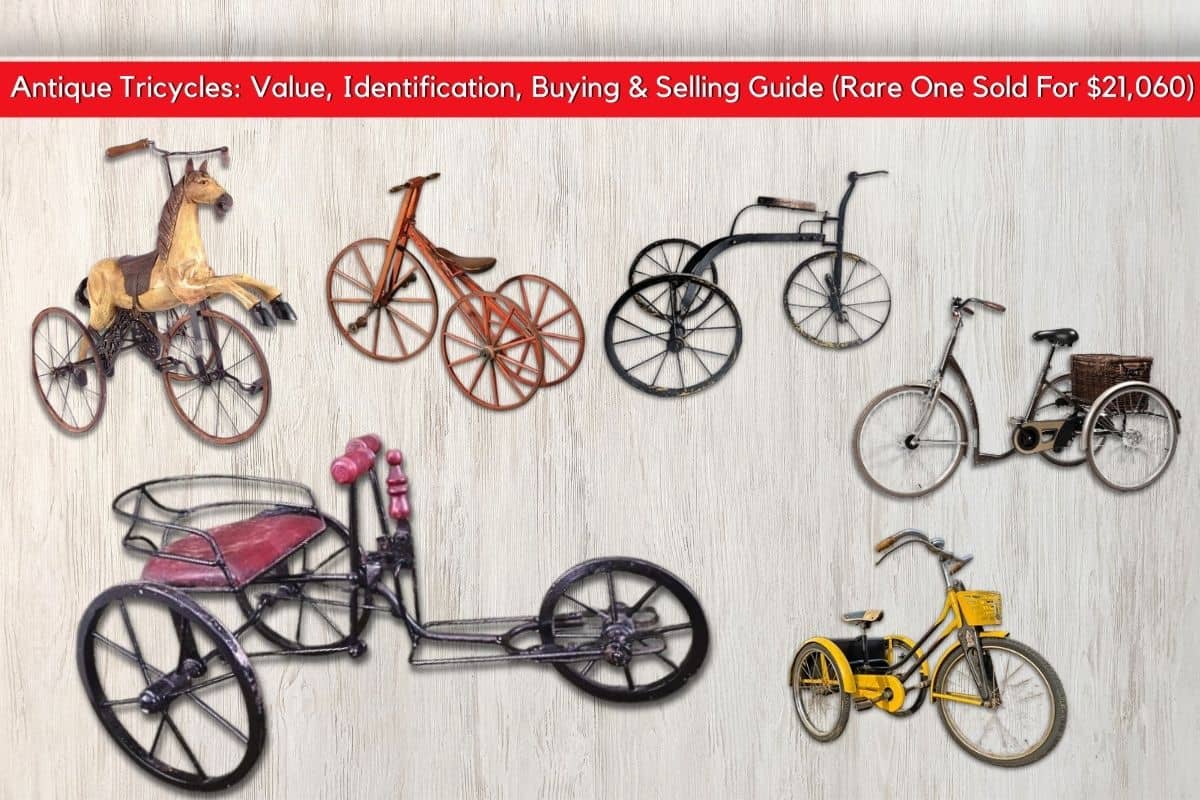
Antique Tricycles: Value, Identification, Buying & Selling Guide
The world of antique tricycles holds remarkable stories of innovation, craftsmanship, and social change. As a collector and appraiser with decades of experience examining these fascinating vehicles, I‘ve witnessed firsthand how these pieces capture both historical significance and modern collecting interest. Let me share what makes these early transportation marvels so special.
The Rich History of Tricycle Development
The tricycle‘s origins trace back to 1680 when German watchmaker Stephan Farffler created the first hand-cranked model. This ingenious design emerged from necessity – Farffler needed personal mobility due to a physical disability. His creation marked the beginning of a transportation revolution that would span centuries.
French innovators Blanchard and Maguier advanced tricycle development in 1789, introducing pedal-powered designs. Their work caught public attention when the Journal de Paris first used the term "tricycle" to describe their invention. However, the true golden age of tricycles wouldn‘t arrive for nearly another century.
The 1870s marked a pivotal moment when James Starley unveiled his groundbreaking design featuring an innovative wheel configuration – one large wheel paired with two smaller ones. This arrangement solved previous stability issues and sparked widespread adoption. Queen Victoria herself ordered one, instantly elevating the tricycle‘s social status.
Manufacturing Evolution and Innovation
Early tricycle production methods reveal fascinating details about industrial development. Pre-1890 frames used hand-forged iron and steel, with each piece carefully shaped by skilled craftsmen. The transition to mass production brought new techniques but often sacrificed the exceptional quality of hand-crafted models.
Notable manufacturers emerged during different periods:
1870s-1880s:
- Coventry Machinists Company produced the renowned "Rotary" models
- Pope Manufacturing Company introduced precision engineering
- Starley & Sutton pioneered new steering mechanisms
1890s-1900s:
- Columbia Bicycles developed innovative chain drives
- Victor Bicycle Company specialized in high-wheel designs
- Singer Company brought refined manufacturing processes
Authentication: Identifying Genuine Antiques
My years examining tricycles have taught me subtle authentication markers that separate genuine pieces from reproductions. When examining a potential acquisition, start with the frame construction. Authentic pre-1890 models show hand-forged joints rather than welded connections. Look for hammer marks and slight irregularities that indicate hand crafting.
Hardware provides crucial dating evidence. Early tricycles used square-headed bolts with four-sided nuts. The introduction of hexagonal nuts came later, making them a clear sign of newer manufacture or replacement parts. Original threading patterns typically show slight inconsistencies characteristic of hand-cutting.
Paint and patina require careful scrutiny. Original paint on antique tricycles exhibits specific wear patterns from actual use. Watch for artificial aging techniques like chemical oxidation, which produces unnaturally orange rust rather than the deep brown of natural oxidation.
Regional Variations and Market Dynamics
The antique tricycle market shows fascinating geographic patterns. British models, particularly those from the Coventry manufacturing region, command premium prices in European markets. American collectors often focus on domestic manufacturers like Columbia and Victor, though exceptional European pieces generate strong interest.
Current market trends show:
Northeast U.S.: Strong demand for early adult tricycles, particularly those with documented provenance
West Coast: Growing interest in restoration-ready projects
United Kingdom: Premium values for documented Victorian-era examples
Continental Europe: Rising collector interest in pre-1900 models
Investment Considerations and Value Factors
The investment potential of antique tricycles depends heavily on several key factors. From my experience assessing thousands of pieces, these elements most significantly impact value:
Age and Authenticity:
Pre-1880 examples in original condition regularly achieve five-figure prices. The 1885 Columbia "Two Track" tricycle that sold for $21,060 in 2014 exemplifies the premium market for exceptional early pieces.
Condition and Originality:
Original paint, even when worn, typically adds more value than modern restoration. However, sympathetic period-correct repairs using appropriate materials and techniques can preserve value when done properly.
Documentation and Provenance:
Documented history significantly increases value. One Victorian-era tricycle with proven royal household provenance sold for triple its estimated value due to its documented lineage.
Conservation and Preservation
Proper conservation requires understanding historical materials and techniques. Climate control proves crucial – maintain consistent temperature and humidity levels to prevent metal deterioration and rubber degradation. Never attempt cleaning without identifying original materials, as inappropriate products can damage historic finishes.
For storage, support frames at multiple points to prevent stress. Remove modern rubber components that might off-gas and damage original materials. Document all existing damage and repairs photographically to monitor condition changes.
Building a Meaningful Collection
Starting a focused collection requires strategic planning. Consider specializing in a specific era, manufacturer, or type. My personal collection began with 1880s adult tricycles but expanded to include significant technological innovations across different periods.
Research proves essential before any purchase. Build a reference library of period catalogs, manufacturing records, and price guides. Join collector organizations to network with fellow enthusiasts and access specialized knowledge.
Market Outlook and Future Trends
The antique tricycle market shows steady growth, particularly for exceptional pieces with strong provenance. Museums and institutional collectors increasingly recognize these vehicles‘ historical importance, creating stable demand for significant examples.
Investment-grade pieces continue appreciating, especially those representing important technological developments or social history. The rising interest in Victorian-era transportation and technology suggests continued market strength.
Practical Buying and Selling Advice
When purchasing, take time to thoroughly examine construction details. Request detailed photos of maker‘s marks, hardware, and wear patterns. Build relationships with reputable dealers who specialize in early transportation pieces.
For selling, document your piece thoroughly. Provide detailed condition reports and photographs. Research comparable sales to price appropriately. Consider specialized auctions or dealers for important pieces rather than general antique markets.
Final Thoughts
Antique tricycles represent more than just historical artifacts – they embody technological innovation, social change, and remarkable craftsmanship. Whether you‘re a serious collector or simply appreciate these fascinating machines, understanding their history and proper evaluation enriches the collecting experience.
Remember that each piece tells a unique story of human ingenuity and progress. By preserving these important vehicles, we maintain vital connections to our technological and social heritage. The market for significant examples remains strong, suggesting continued appreciation for these remarkable machines well into the future.