Dollar Bill with Star Value: A Deep Dive into America‘s Most Intriguing Currency Rarities
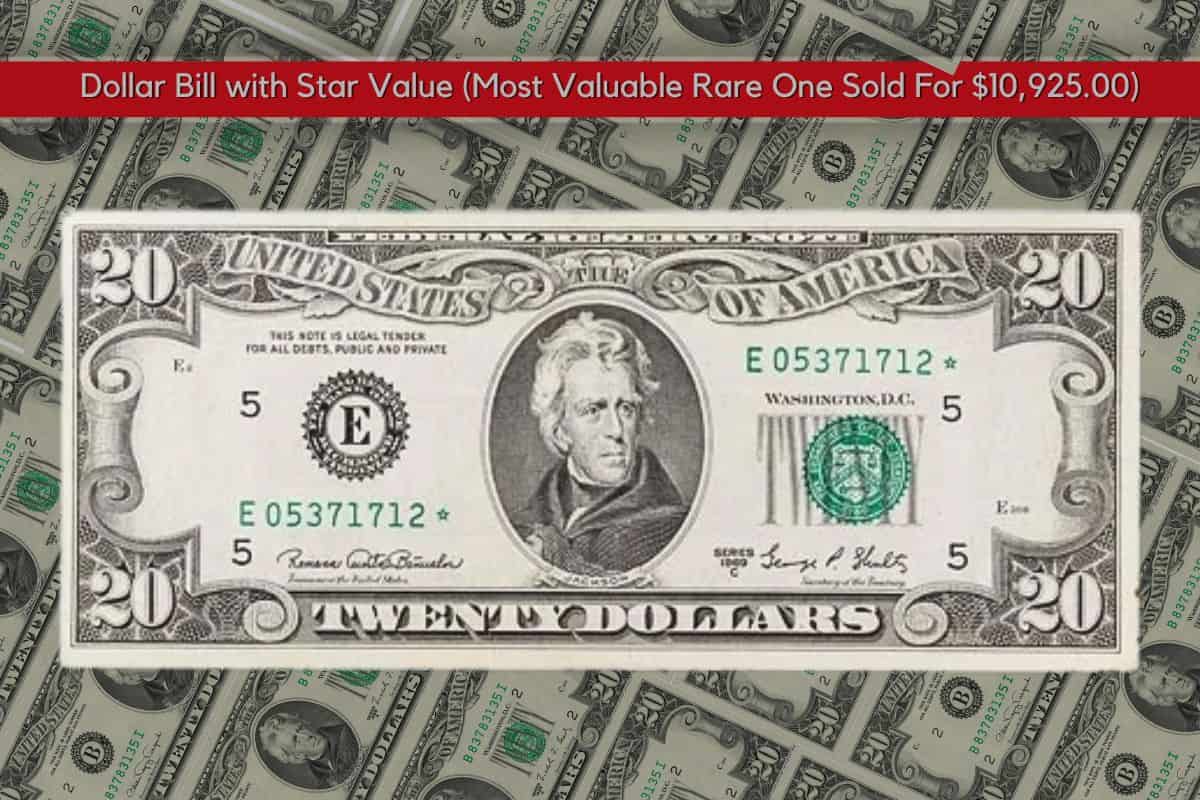
As I held the 1928 $20 star note that would later sell for $10,925 at auction, I felt the weight of nearly a century of American currency history in my hands. After 25 years of appraising rare currency, these special bills still fill me with wonder. The story of star notes represents one of the most fascinating chapters in U.S. currency collecting, where a simple asterisk can transform an ordinary bill into an extraordinary treasure.
The Origins of Star Notes: A Tale of Precision and Innovation
In the early 1900s, the Bureau of Engraving and Printing faced a significant challenge. The precise art of currency printing inevitably produced imperfect notes that needed replacement, but removing these bills created gaps in the carefully maintained serial number sequence. The elegant solution arrived in 1910 – the star note system.
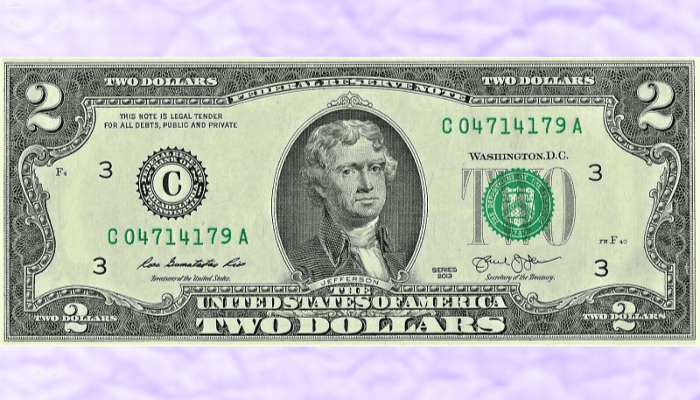
The Bureau began printing special replacement notes marked with a distinctive star symbol. Early examples placed the star at the beginning of the serial number, while modern versions position it at the end. This simple yet ingenious system maintained the integrity of currency production while creating what would become highly sought-after collectibles.
Understanding the Technical Aspects
Star notes follow strict production protocols that make them unique. The Bureau prints these replacements in separate runs, typically producing between 60,000 and 100,000 notes for each batch. This separate production process creates natural variations in paper quality, ink density, and printing characteristics that expert collectors learn to recognize.
The serial numbering system for star notes operates independently from regular currency. When examining a star note, you‘ll notice the eight-digit sequence between the prefix letter and the star follows its own numbering pattern. This separate sequencing helps collectors track rarity and authenticate specimens.
Market Dynamics and Notable Sales
The star note market demonstrates fascinating price variations based on multiple factors. The record-setting 1928 $20 star note that sold for $10,925 represents the peak of what‘s possible when rarity, condition, and historical significance align perfectly.
Recent market data reveals interesting patterns:
1920s-1930s star notes consistently command the highest premiums, with well-preserved specimens regularly selling for thousands above their face value. A pristine 1928 $100 star note recently achieved $28,750 at auction, while a rare 1934 $1,000 star note set a category record at $77,625.
Modern star notes (post-1990) typically trade closer to face value, but certain combinations can still attract significant premiums. A 1985 $20 star note in uncirculated condition with a unique serial number pattern recently sold for $690, demonstrating that even newer specimens can hold substantial value under the right circumstances.
Authentication: The Critical Eye
Authenticating star notes requires attention to multiple details. The paper should display the correct cotton and linen fiber composition for its era. Under UV light, genuine notes show specific security features corresponding to their printing date. The printing quality must match known examples from the same series, with particular attention to the precision of the star symbol itself.
Common authentication points include:
The star symbol‘s size and positioning must be exact – even minimal variations indicate potential problems. The serial number font should match the appropriate style for the series year. The paper should display proper security threads and watermarks for the period. Ink color and density must align with known genuine examples.
Regional Market Variations
Star note values show interesting regional patterns across the United States. Notes from certain Federal Reserve districts historically command higher premiums. For example, star notes from the Atlanta (F) and San Francisco (L) districts often sell for more than identical notes from other districts due to historical distribution patterns and collector preferences.
The Northeast market traditionally values earlier series (pre-1950) star notes most highly, while Western collectors often focus on Federal Reserve Bank designation. Southern markets show particular interest in Civil War-era forerunners to modern star notes.
Investment Strategy and Market Timing
Successful star note investing requires understanding market cycles and condition rarity. The highest returns typically come from acquiring high-grade examples of naturally scarce series. The key is identifying notes where the star designation significantly amplifies an already desirable combination of series, denomination, and condition.
Current market trends suggest focusing on:
- Pre-1950 notes in Very Fine or better condition
- Low serial number examples from any era
- Notes with significant printing errors in addition to star designation
- Complete consecutive runs of star notes
- Specimens with documented ownership history
Conservation and Preservation
Proper conservation proves crucial for maintaining star note value. Store notes in archival-quality holders that allow visibility while protecting from environmental damage. Maintain consistent temperature (68-72°F) and humidity (45-50%) levels. Handle notes only with clean, cotton gloves, and never attempt amateur restoration.
Professional conservation techniques include:
- Careful flattening of curved specimens
- Gentle cleaning of surface soil
- Proper encapsulation methods
- Documentation of condition changes
- Regular inspection for environmental damage
The Future of Star Note Collecting
The star note market continues to evolve. Digital documentation tools now allow collectors to track serial numbers and condition ratings more precisely than ever before. Online marketplaces have expanded access to rare specimens while simultaneously increasing competition for the finest examples.
Emerging trends include:
- Growing international collector interest, particularly from Asia
- Increased focus on certification and provenance
- Rising premium for documented condition rarity
- Strong demand for educational materials and research
- Development of specialized collector networks
Building Your Collection
For those entering star note collecting, start with a focused approach. Research thoroughly before making significant purchases. Build relationships with reputable dealers and join collector organizations. Document everything about your purchases, including condition, price paid, and any notable characteristics.
Consider starting with:
- Modern star notes to learn identification skills
- Mid-grade older notes to understand condition factors
- Common series to develop market knowledge
- Affordable examples of different denominations
- Notes with interesting stories or provenance
Advanced Collecting Strategies
Experienced collectors often develop specialties within the star note field. Some focus on specific decades or denominations. Others collect by Federal Reserve district or seek out particular serial number patterns. These specialized approaches can lead to discovering previously unknown varieties and contributing to the field‘s knowledge base.
Market Analysis and Price Trends
Recent market analysis reveals steady appreciation in several categories:
High-grade pre-1950 star notes have shown average annual returns of 12-15% over the past decade. Mid-grade examples from the 1950s and 1960s typically appreciate 5-8% annually. Modern star notes generally track inflation but can spike in value when specific serial number patterns generate collector interest.
Authentication Techniques
Professional authentication involves multiple steps:
Paper analysis using microscopy and UV examination reveals proper fiber composition and security features. Ink testing confirms correct chemical composition for the period. Printing quality analysis identifies proper plate characteristics. Serial number font examination confirms correct typography for the series.
Investment Considerations
When investing in star notes, consider:
Market liquidity varies significantly by series and condition. The finest examples typically appreciate most consistently but require substantial initial investment. Mid-grade notes often offer the best value proposition for long-term holding. Modern notes present opportunities for quantity purchasing and condition rarity.
Conclusion
The world of star note collecting combines historical significance, technical complexity, and investment potential. Whether you‘re drawn to the historical aspects, the technical challenges of authentication, or the potential for financial return, these fascinating pieces of American currency history offer something for every collector.
Remember that knowledge, patience, and careful attention to condition and authenticity remain your best tools for success in this fascinating field. As we‘ve seen with specimens like the $10,925 1928 star note, these humble replacement bills can become truly extraordinary collectibles.