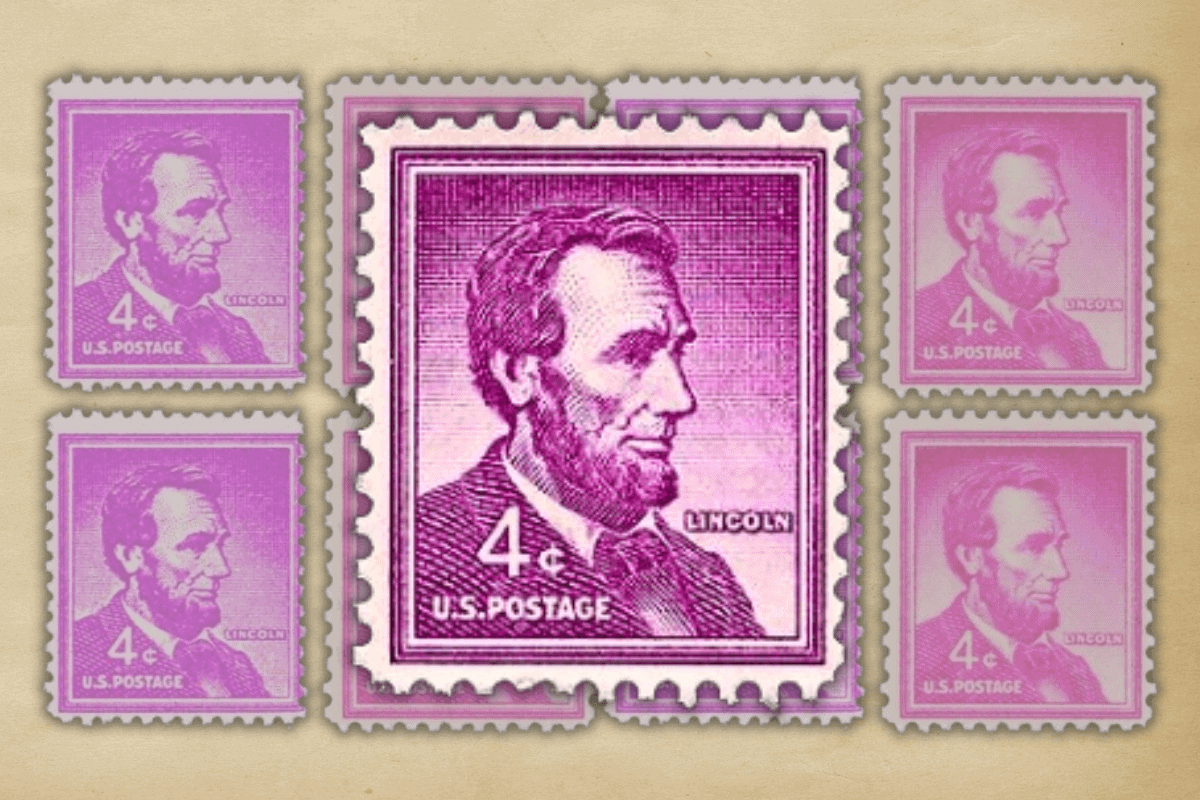
Most Valuable 4 Cent Lincoln Stamps (Worth Over $500) – VIP Art Fair
When you hold a 4-cent Lincoln stamp in your hands, you‘re touching a piece of American postal history that bridges the gap between the Civil War era and the modern age. As an antique collector who has spent decades studying these miniature masterpieces, I can tell you that these stamps offer more than just historical significance—they represent genuine investment opportunities, with some rare specimens commanding prices well over $500.
The Rich History of 4-Cent Lincoln Stamps
The story of the 4-cent Lincoln stamp begins in 1954, during a time when sending a first-class letter cost three cents. The U.S. Post Office Department (now USPS) made a forward-thinking decision to create this denomination primarily for international mail rates. The timing proved prescient, as domestic letter rates increased to four cents in 1958.
The original 1954 design featured Abraham Lincoln‘s portrait based on a painting by Douglas Volk. The stamp printers used a deep violet ink, creating a rich, royal tone that distinguished it from other denominations. The engraving process required master craftsmen who spent weeks carefully carving the intricate details into steel plates.
During its production run from 1954 to 1968, several notable variations emerged:
The 1954 Liberty Issue established the standard design, with its distinctive violet hue and meticulous engraving. Printers used a specialized paper containing a specific watermark pattern, which today helps authenticate genuine specimens.
In 1958, two special commemorative versions appeared. The Lincoln-Douglas Debate stamp marked the centennial of those famous political exchanges. That same year, the Sesquicentennial Issue celebrated Lincoln‘s 150th birthday with a modified portrait and blue coloring.
The 1965 Prominent Americans Series brought a complete redesign, presenting Lincoln in black ink with modernized typography. This final iteration remained in circulation until 1968.
Understanding Value Determinants
What makes certain 4-cent Lincoln stamps worth hundreds of dollars while others trade for pocket change? The answer lies in multiple factors that collectors must understand to make informed acquisitions.
Condition ranks paramount among value determinants. Mint specimens with perfect original gum, precise centering, and pristine perforations command the highest prices. Even minor flaws can significantly impact value. A stamp that appears pristine to the naked eye might reveal condition issues under magnification that reduce its worth by 50% or more.
Specific printing variations create exceptional value. The 1954 Liberty Issue includes rare perforation gauge combinations that specialists eagerly seek. Some stamps show dramatic color shifts or printing errors that make them particularly desirable. These production anomalies often result from brief periods when printing quality control faltered.
Historical significance adds another value layer. Stamps used on significant dates or from notable locations can fetch premium prices. For example, a 4-cent Lincoln stamp canceled in Springfield, Illinois (Lincoln‘s hometown) on his birthday might sell for several times the normal price.
Market Analysis and Investment Potential
Recent auction results reveal strong price appreciation for premium examples. A superb mint condition 1954 Liberty Issue stamp sold for $575 at a 2023 specialized auction. The buyer recognized its exceptional centering and pristine gum—characteristics that grow increasingly scarce as time passes.
Regional markets show interesting variations. East Coast collectors typically focus on technical grade and condition, while Midwestern buyers often value historical connection more heavily. West Coast sales tend to emphasize aesthetic appeal, with perfectly centered examples bringing strong prices regardless of other factors.
The international market continues expanding, particularly among Asian collectors who appreciate Lincoln‘s historical stature. This growing demand pool suggests long-term price stability for quality specimens.
Authentication and Grading Expertise
Properly authenticating a potentially valuable 4-cent Lincoln stamp requires specialized knowledge and equipment. Start with a quality 30x magnifier to examine printing details. Genuine stamps show clear, sharp line work in Lincoln‘s portrait. The background should display consistent color and even ink distribution.
Paper examination proves crucial. Original 1954 issues use a distinctive paper with a specific thickness and texture. Later printings modified these characteristics slightly. A micrometer helps verify proper paper thickness—variations often indicate potential problems.
Perforation measurement requires a specialized gauge. The most valuable 1954 stamps show a 10.5 x 11 perforation pattern. Other measurements may indicate reperforated edges—a serious defect that dramatically reduces value.
Ultraviolet light examination reveals paper fluorescence patterns that help authenticate difficult specimens. Different printing periods used papers with distinct UV reactions. This testing helps identify cleaned or altered stamps.
Building a Premium Collection
Starting a serious 4-cent Lincoln stamp collection requires strategic planning. Focus initially on acquiring the best condition examples you can afford, even if that means buying fewer stamps. Quality consistently outperforms quantity in long-term value appreciation.
Develop relationships with reputable dealers who specialize in classic U.S. stamps. They often get first access to choice specimens and can alert you when exceptional pieces become available. Attend major stamp shows where you can examine material in person and network with other collectors.
Consider creating a specialized collection focusing on a particular aspect—perhaps gathering examples showing different cancellations from Lincoln-related locations. This focused approach often yields better long-term results than general accumulation.
Conservation and Preservation
Proper storage proves essential for maintaining stamp condition and value. Use only archival-quality albums and holders that don‘t contain harmful chemicals. Store your collection in a climate-controlled environment, maintaining consistent temperature and humidity levels.
Handle stamps carefully using stamp tongs rather than fingers. Skin oils can damage paper and gum over time. When examining specimens, work on a clean surface with good lighting. Keep detailed records of each stamp‘s provenance and condition characteristics.
Investment Outlook
The market for premium 4-cent Lincoln stamps shows promising growth potential. Several factors support this positive outlook:
Rising interest in American historical artifacts continues driving demand for Lincoln-related items. As conventional investments show volatility, some collectors view high-grade stamps as alternative stores of value.
The fixed supply of genuine premium examples can‘t increase, while collector numbers gradually expand. This supply-demand dynamic supports price appreciation for the finest specimens.
Growing international interest, particularly from Asian markets, suggests broader future demand. As global collectors discover these stamps‘ historical significance and investment potential, competition for premium examples intensifies.
Practical Collecting Advice
For collectors seeking valuable 4-cent Lincoln stamps, patience and knowledge prove essential. Take time to study reference materials and market results before making significant purchases. Build relationships with experienced dealers and fellow collectors who can share their expertise.
Focus on acquiring the highest grade examples within your budget. A single superior quality stamp typically proves a better investment than multiple lesser specimens. Always verify authenticity before purchasing expensive items, preferably through recognized expertizing services.
Consider the stamp‘s story when building your collection. Pieces with documented historical connections or interesting postal history often maintain stronger long-term appeal than mere technical specimens.
Conclusion
The 4-cent Lincoln stamp represents more than just a postal necessity from a bygone era. For discerning collectors, these small pieces of paper offer fascinating historical connections and genuine investment potential. While finding valuable examples requires patience and expertise, the hunt proves rewarding both intellectually and financially.
Whether you‘re drawn to these stamps for their historical significance, investment potential, or pure collecting enjoyment, understanding their nuances helps make informed acquisition decisions. As market appreciation continues for premium specimens, these miniature portraits of America‘s 16th president remain worthy of serious collector attention.
Remember that condition, rarity, and historical significance combine to create exceptional value. By focusing on these factors while building your collection, you‘ll maximize both enjoyment and potential returns from these fascinating pieces of American postal history.