The Definitive Guide to Antique Glass Decanters: A Collector‘s Perspective
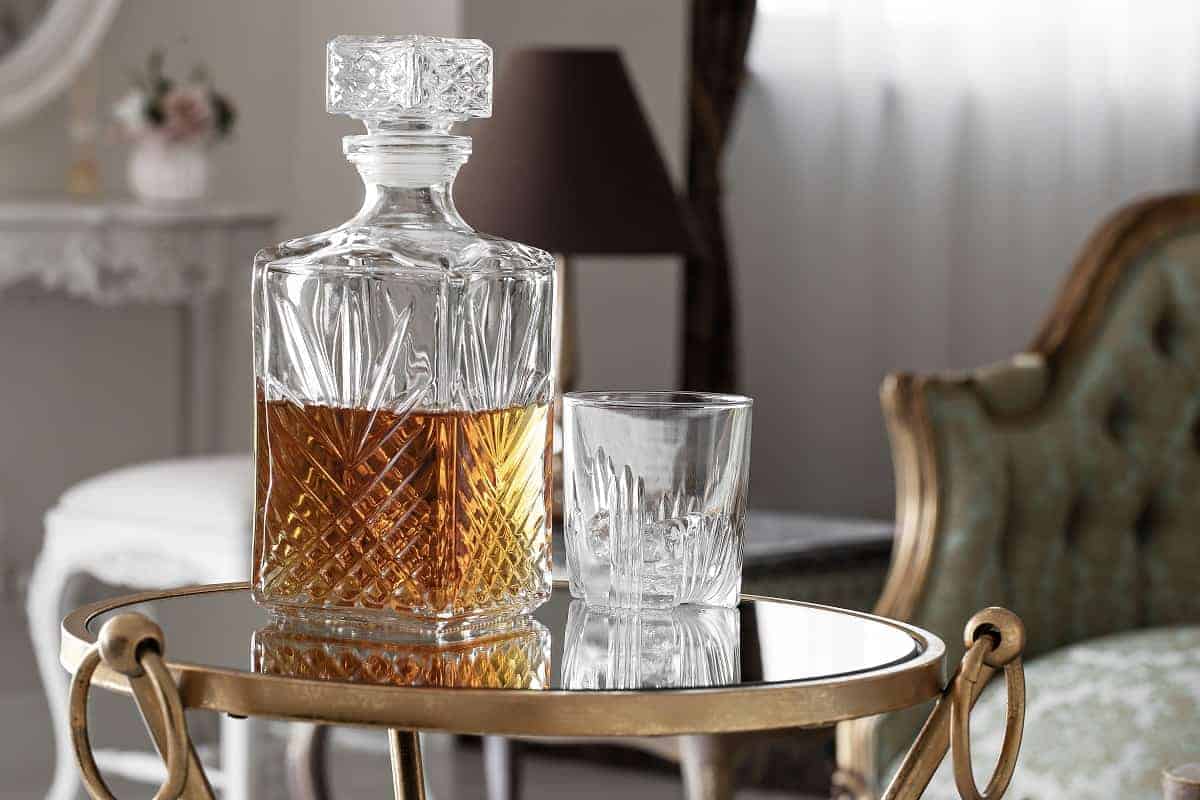
When I first held an 18th-century Georgian glass decanter in my hands, I understood why these magnificent vessels have captivated collectors for generations. The play of light through the expertly cut crystal, the subtle asymmetries that speak to hand craftsmanship, and the stopper that still fits perfectly after 250 years – these details tell stories of both artistic excellence and technological innovation.
The Evolution of Glass Decanters Through History
The story of glass decanters mirrors human civilization‘s relationship with wine and spirits. While ancient Romans used glass vessels for serving wine, the modern decanter emerged in 16th-century Venice, where master glassmakers of Murano developed revolutionary techniques for creating clear, refined glass. These innovations spread across Europe, fundamentally changing how wine was served and stored.
The true golden age of decanters began in 1674 when George Ravenscroft patented lead crystal glass in England. This breakthrough produced glass with unprecedented clarity and brilliance, allowing craftsmen to create increasingly intricate designs. By the 1730s, British glasshouses were producing sophisticated vessels that would define decanter design for centuries.
Understanding Period Characteristics
Each era brought distinct innovations and stylistic elements. Early Georgian decanters (1714-1760) featured thick walls and simple forms, often with basic string rims to secure stoppers. These pieces show characteristic pontil marks on their bases – circular scars where the glassmaker‘s rod was broken away.
The late Georgian period (1760-1811) witnessed remarkable refinements. Glassmakers developed sophisticated cutting techniques, producing complex patterns that enhanced both aesthetics and functionality. The introduction of specialized stoppers improved wine preservation, while enhanced neck rings added visual interest and improved grip.
Regency period decanters (1811-1820) represent perhaps the pinnacle of English glass cutting. These pieces showcase incredibly precise geometric patterns, often incorporating multiple cutting styles within single designs. The marriage of form and function reached new heights, with stoppers and bodies designed as unified artistic statements.
Victorian decanters (1837-1901) reflected that era‘s tendency toward ornate decoration. Multiple neck rings, elaborate cutting patterns, and specialized forms for different spirits became standard. Many pieces incorporated silver mounts, adding another layer of luxury and functionality.
Manufacturing Techniques and Innovation
Understanding how these pieces were made helps collectors appreciate their value. Early decanters were free-blown, resulting in subtle variations in thickness and form. By the mid-18th century, pattern-molded pieces appeared, though the finest examples remained free-blown with hand-cut decoration.
The development of cutting techniques transformed decanter design. Starting with simple flutes and diamonds, cutters eventually mastered complex geometrical patterns, deep miters, and sophisticated optical effects. Regional variations emerged – Irish glass often featured deeper cutting, while English pieces typically showed more restraint.
Authentication in Practice
Identifying authentic antique decanters requires attention to multiple factors. Period glass typically contains small bubbles or "seeds" – these imperfections actually help authenticate pieces. The glass should show appropriate wear on the base and stopper, consistent with centuries of use.
Manufacturing marks provide crucial evidence. Hand-finished pontil marks, period-appropriate maker‘s marks, and regional characteristics all help establish authenticity. Tool marks from hand-finishing and evidence of hand-cutting must match known period techniques.
Current Market Dynamics
Today‘s market for antique decanters shows interesting patterns. Entry-level pieces, including later Victorian examples with simple cutting patterns, typically range from \$100-500. These offer an excellent starting point for new collectors.
Mid-range pieces (\$500-2,500) include good Georgian examples from known manufacturers. These typically feature original stoppers and display significant cutting skill. The premium market (\$2,500-10,000+) focuses on exceptional pieces with documented provenance, particularly those with royal or aristocratic histories.
Conservation and Preservation
Proper care significantly impacts both enjoyment and value. Store decanters vertically in stable temperature conditions, away from direct sunlight. Clean only with distilled water, avoiding harsh chemicals that might damage the glass surface.
Regular inspection helps identify potential issues before they become serious. Watch for developing cracks, clouding of the glass, or loosening stoppers. Professional conservation may be needed for valuable pieces showing signs of deterioration.
Regional Variations and Their Impact
Different glassmaking regions developed distinctive characteristics. British decanters typically feature heavy lead crystal and deep cutting patterns. Continental examples often show lighter construction and more elaborate shapes. American pieces tend toward practical forms with regional variations in pattern and style.
Irish glass holds particular interest for collectors. The Waterford and Cork glasshouses produced exceptional pieces characterized by deep cutting and brilliant glass quality. These command premium prices, particularly when bearing original house marks.
Building a Focused Collection
Successful collecting requires strategic focus. Consider specializing in a particular period, region, or manufacturer. This allows development of deep expertise and helps identify exceptional pieces when they appear in the market.
Documentation becomes increasingly important as values rise. Maintain detailed records of purchases, including condition reports, provenance information, and authentication certificates. Photograph pieces thoroughly, recording any damage or repairs.
Investment Considerations
While collecting should primarily reflect personal interest, understanding investment dynamics helps inform decisions. Focus on pieces combining multiple value factors: documented provenance, rare patterns, important makers, and exceptional condition.
Market risks include condition issues, authentication challenges, and storage requirements. Insurance costs increase significantly for premium pieces. However, well-chosen examples have shown steady appreciation over time.
Authentication Challenges
Reproduction identification requires careful analysis. Compare glass composition, manufacturing techniques, and pattern execution with documented period examples. Period-appropriate wear patterns help confirm authenticity, while historical accuracy of design elements provides important verification.
Documentation verification demands equal attention. Examine source credibility, historical consistency, and technical accuracy. Expert validation may be needed for significant pieces.
The Future of Collecting
Current trends suggest continuing strong interest in exceptional early pieces, particularly those with documented histories. Georgian decanters showing superior cutting quality and original condition command increasing premiums. Matched sets with original components generate particular interest.
The market shows less enthusiasm for Victorian mass-market items and damaged examples. However, this creates opportunities for new collectors to enter the market through carefully chosen examples from this period.
Practical Collecting Advice
Start by handling as many authentic pieces as possible. Develop relationships with reputable dealers and auction houses. Join collector groups and attend specialized glass fairs. Build a reference library of trusted sources.
Focus initial purchases on good examples of more common types, developing knowledge before pursuing rare pieces. Consider condition paramount – minor damage significantly impacts both enjoyment and value.
Remember that collecting antique decanters connects us to centuries of craftsmanship and social history. Each piece tells multiple stories – of technological innovation, artistic achievement, and changing social customs. Understanding these contexts enriches both the collecting experience and the appreciation of these remarkable objects.