The Fascinating World of Pneumatic Tube Transport: How Bank Tubes Work
Have you ever marveled at the swift whoosh of a capsule zipping through a bank's drive-through tube system? These pneumatic marvels have been silently revolutionizing various industries for over a century, yet their inner workings remain a mystery to many. In this deep dive, we'll unravel the secrets behind pneumatic tube transport, with a special focus on the ubiquitous bank tube systems that continue to play a crucial role in modern banking.
A Journey Through Time: The History of Pneumatic Tubes
The story of pneumatic tube transport is one of ingenuity and perseverance, spanning over two centuries of technological evolution.
Early Beginnings
The concept of using air pressure to transport objects through tubes was first proposed in the early 19th century. In 1810, George Medhurst, a London-based engineer, conceived the idea of using air pressure to propel passenger carriages through tunnels. While his ambitious vision for human transport didn't materialize, it laid the groundwork for future pneumatic systems.
The First Working Systems
It wasn't until 1853 that the world saw its first operational pneumatic tube system, installed in a London post office. This groundbreaking installation demonstrated the practical potential of pneumatic transport for moving small items quickly and efficiently.
Golden Age of Pneumatic Networks
The late 19th and early 20th centuries witnessed a boom in pneumatic tube networks. Major cities like Paris, New York, and Berlin embraced this technology for mail delivery and internal communications in large buildings. The Paris pneumatic post, known as "pneumatique," operated from 1866 to 1984, covering over 400 kilometers of tubes at its peak.
Expansion into Various Industries
As the technology matured, its applications expanded. Banks, department stores, and hospitals began adopting pneumatic tube systems for internal document and cash transfer. The banking sector, in particular, found the technology invaluable for drive-through services, enhancing customer convenience and operational efficiency.
Modern Era and Continued Relevance
Despite the rise of electronic communication in the latter half of the 20th century, pneumatic tube systems have maintained their relevance. Today, they continue to play vital roles in industries where physical item transfer is crucial, such as healthcare, retail, and of course, banking.
The Science Behind the Tubes: How Pneumatic Systems Work
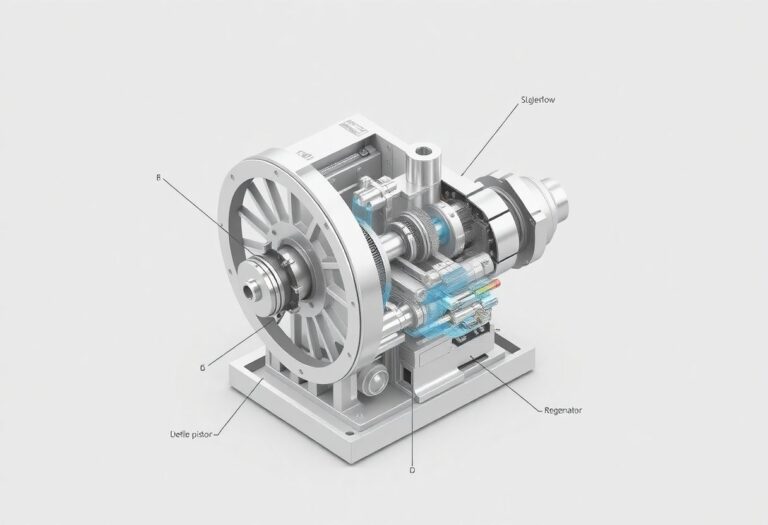
At its core, a pneumatic tube system harnesses the power of air pressure differentials to move objects through a network of tubes. Let's break down the fundamental principles and components that make these systems function.
Basic Principle: Pressure Differentials
The key to pneumatic transport lies in creating and manipulating air pressure. When a pressure difference is established between two points in a closed tube system, air naturally flows from the high-pressure area to the low-pressure area. This airflow can be used to push or pull objects through the tube.
Components of a Pneumatic Tube System
-
Tubes: Typically made from PVC, aluminum, or steel, these form the pathways through which carriers travel. The tubes are designed to be airtight and smooth on the inside to minimize friction.
-
Stations: These are the points where items are sent or received. They can be one-way (either sending or receiving) or two-way (capable of both functions).
-
Carriers: These cylindrical containers hold the items being transported. They're designed to fit snugly in the tubes, creating an air seal that allows for efficient movement.
-
Blowers or Compressors: These are the heart of the system, generating the air pressure that moves carriers through the tubes. Modern systems often use high-efficiency, low-noise blowers.
-
Control System: In contemporary setups, a computerized control system manages the routing, tracking, and operation of the entire network.
-
Diverters and Switches: Used in complex systems to route carriers to different destinations within the tube network.
The Physics at Play
The operation of pneumatic tube systems relies on several key principles of physics:
-
Bernoulli's Principle: This fundamental principle of fluid dynamics states that an increase in the speed of a fluid occurs simultaneously with a decrease in pressure or a decrease in the fluid's potential energy. In pneumatic tubes, this principle helps explain how carriers move through the system.
-
Pascal's Law: This law states that pressure applied to an enclosed fluid is transmitted equally in all directions. This principle ensures that the pressure driving the carrier is distributed evenly throughout the tube system.
-
Friction and Aerodynamics: The design of both the tubes and carriers takes into account principles of friction and aerodynamics to ensure smooth, efficient movement.
Bank Tubes: A Closer Look at Financial Pneumatics
Now that we understand the general principles, let's focus specifically on how bank tubes operate, as they represent one of the most visible and widely used applications of pneumatic technology.
The Customer Experience
When a customer pulls up to a bank's drive-through, they encounter a small kiosk equipped with a pneumatic tube system. Here's how a typical transaction unfolds:
- The customer places their documents, cash, or checks into a provided carrier.
- They insert the carrier into the tube opening at the kiosk.
- Either the customer presses a send button, or the teller initiates the transport process remotely.
- The carrier travels through the tube system to the bank's central processing area.
- A teller receives the carrier, processes the transaction, and places any necessary items (receipts, cash, etc.) back into the carrier for return.
- The carrier is sent back through the system to the customer's kiosk.
- The customer retrieves their items from the returned carrier.
This entire process typically takes just a few minutes, significantly faster than if the customer had to park and enter the bank.
Behind the Scenes: The Bank's Perspective
From the bank's side, the pneumatic tube system offers several operational advantages:
-
Centralized Processing: Multiple drive-through lanes can be served by a smaller number of tellers in a central location, improving efficiency.
-
Security: Cash and sensitive documents can be transported safely without exposure to the outside environment.
-
Speed: Transactions can be processed quickly, reducing wait times for customers.
-
Weather Protection: Tellers can work comfortably regardless of outside weather conditions.
-
Integration with Bank Systems: Modern pneumatic systems can be integrated with the bank's digital infrastructure for seamless transaction processing and record-keeping.
Technical Specifications of Bank Tube Systems
While specific details can vary between manufacturers and installations, here are some typical specifications for bank tube systems:
- Tube Diameter: Usually 4 to 6 inches (10-15 cm)
- Carrier Size: Typically 3 to 5 inches in diameter and 8 to 12 inches in length
- Carrier Capacity: Generally 1 to 5 pounds (0.45 to 2.3 kg)
- Transport Speed: Approximately 25 feet per second (7.6 meters per second)
- Maximum System Length: Can extend up to several hundred feet, depending on the specific installation
- Air Pressure: Systems typically operate at pressures between 3 to 5 PSI (pounds per square inch)
Beyond Banking: Other Applications of Pneumatic Tubes
While bank tubes are perhaps the most familiar application for many people, pneumatic tube systems have found homes in various other industries, each leveraging the technology's unique advantages.
Healthcare: Rapid Transport in Hospitals
In the fast-paced environment of hospitals, pneumatic tube systems play a crucial role in transporting lab samples, medications, and critical documents. These systems can span entire hospital complexes, connecting different departments and even separate buildings.
Key benefits in healthcare settings include:
- Rapid transport of time-sensitive samples and results
- Reduced risk of contamination compared to manual transport
- Improved efficiency in medication distribution
Some advanced hospital pneumatic systems can even maintain specific temperature ranges for sensitive biological samples.
Retail: Streamlining Cash Handling
Large retail stores, particularly supermarkets, often use pneumatic tubes to transport cash from checkout counters to a secure central location. This system enhances security by reducing the amount of cash held at individual registers and minimizes the need for employees to move large sums of money through the store.
Libraries: Efficient Book Retrieval
Some large libraries use pneumatic tubes to send book requests from the main desk to storage areas. This is particularly useful in libraries with extensive archived collections stored in areas not accessible to the public.
Industrial Applications: Enhancing Manufacturing Processes
In industrial settings, pneumatic tubes find use in transporting small parts, samples, or documents between different areas of a factory or plant. This can significantly reduce the time spent by workers moving between stations.
Government and Secure Facilities: Confidential Document Transfer
Some government buildings and secure facilities use pneumatic tube systems for the transfer of confidential documents. These systems offer a secure method of moving sensitive information without the need for human couriers.
The Future of Pneumatic Tube Transport
Despite being a century-old technology, pneumatic tube systems continue to evolve and find new applications. Here are some exciting developments and potential future applications:
Smart Systems and IoT Integration
Modern pneumatic tube systems are increasingly incorporating smart technologies:
- RFID tracking allows real-time monitoring of carrier locations
- Integration with IoT (Internet of Things) platforms for predictive maintenance and system optimization
- Advanced routing algorithms for improved efficiency in complex networks
Sustainable Design and Energy Efficiency
As sustainability becomes a greater focus across industries, pneumatic tube system designers are working on more energy-efficient solutions:
- High-efficiency blowers and compressors
- Improved sealing and insulation to minimize air loss
- Integration with building management systems for optimized operation
Larger Scale Applications
While traditional pneumatic tubes are designed for small-scale transport, some visionaries are exploring larger applications:
- Elon Musk's Hyperloop concept, while not strictly a pneumatic tube system, draws inspiration from similar principles
- Some urban planners have proposed using underground pneumatic systems for waste management in cities
Integration with Robotics
Some cutting-edge systems are exploring the integration of pneumatic tubes with robotics:
- Robotic arms at endpoints for automatic loading and unloading of carriers
- Autonomous mobile robots that can interface with pneumatic tube stations for extended transport capabilities
The Science Enthusiast's Perspective: Why Pneumatic Tubes Matter
As a science and technology educator, I find pneumatic tube systems fascinating for several reasons:
-
Practical Application of Physics: These systems serve as excellent real-world examples of fluid dynamics, pressure systems, and energy transfer. They offer a tangible way to understand abstract physics concepts.
-
Intersection of Old and New Technologies: Pneumatic tubes represent a beautiful marriage of century-old principles with modern control systems and materials science. They show how fundamental scientific concepts can remain relevant even as technology evolves.
-
Efficiency and Sustainability: In many applications, pneumatic tube systems offer an energy-efficient alternative to other transport methods, particularly for small, frequent deliveries within a confined area.
-
Problem-Solving and Engineering: The continued use and development of pneumatic systems demonstrate the ongoing process of engineering problem-solving. As new challenges arise, engineers adapt and improve these systems to meet changing needs.
-
Interdisciplinary Applications: From finance to healthcare to industry, pneumatic tubes showcase how a single technology can be adapted to serve diverse needs across various fields.
Conclusion: The Enduring Legacy of Pneumatic Transport
As we've explored in this deep dive, pneumatic tube systems, particularly bank tubes, represent a fascinating blend of physics, engineering, and practical application. Despite the digital revolution, these systems continue to play vital roles in numerous industries, testament to their efficiency and reliability.
The next time you use a bank tube or spot a pneumatic system in a hospital or store, take a moment to appreciate the invisible journey your transaction or item takes. Propelled by nothing more than the power of air, guided by clever engineering, and arriving safely at its destination in mere moments, it's a small but significant marvel of human ingenuity.
In a world increasingly dominated by virtual interactions, pneumatic tube systems remind us of the enduring value of physical solutions to practical problems. They stand as a bridge between past and future, continually adapting to meet the needs of our evolving technological landscape. As we look to the future, it's clear that these ingenious systems will continue to play a role in our world, whisking items from point A to point B with a satisfying whoosh of efficiency.