The Fascinating World of HEPA Filters: Advanced Air Purification Technology
Introduction: The Invisible Threat in Our Air
In our modern world, the quality of the air we breathe has become an increasingly pressing concern. While outdoor air pollution often takes center stage in environmental discussions, the air inside our homes and workplaces can be just as polluted, if not more so. Invisible to the naked eye, microscopic particles such as dust mites, pet dander, pollen, and various airborne contaminants accumulate indoors, posing significant risks to our respiratory health. This is where HEPA filters come into play, offering a powerful and scientifically-backed solution for cleaner, healthier indoor air.
In this comprehensive exploration of HEPA filter technology, we'll delve deep into the science, history, and applications of these remarkable air purification devices. From their origins in wartime research to their ubiquitous presence in modern homes and industries, HEPA filters have revolutionized our approach to air quality management. Join us as we unravel the complexities of HEPA technology and discover why these filters have become an indispensable tool in our quest for cleaner air.
The HEPA Standard: Defining Excellence in Air Filtration
HEPA, an acronym for "High-Efficiency Particulate Air" or "High-Energy Particulate Arresting," represents more than just a catchy term – it's a rigorous standard that sets the bar for air filtration excellence. To earn the HEPA designation, a filter must demonstrate an exceptional ability to capture airborne particles.
The HEPA standard requires filters to remove at least 99.97% of particles that are 0.3 microns in diameter. This specific size is crucial, as 0.3 microns represents the Most Penetrating Particle Size (MPPS) – particles of this dimension are the most challenging for filters to capture. To put this in perspective, a human hair typically ranges from 50 to 100 microns in diameter, while dust mite particles average around 0.5 microns. Bacteria, which can cause various respiratory issues, generally fall within the range of 0.3 to 60 microns.
The stringency of the HEPA standard ensures that filters meeting this criteria are capable of trapping an vast array of airborne contaminants, from large dust particles to microscopic allergens and even some viruses. This level of filtration efficiency is what makes HEPA technology so valuable in a wide range of applications, from home air purifiers to critical environments like hospital operating rooms and semiconductor manufacturing facilities.
The Science Behind HEPA Filtration: A Multi-Faceted Approach
At first glance, a HEPA filter may appear deceptively simple – often just a sheet of folded material. However, the science underlying its operation is remarkably complex, involving multiple physical mechanisms working in concert to achieve its high level of filtration efficiency.
Interception: The First Line of Defense
The process of interception in HEPA filters can be likened to walking through a dense forest. As air flows through the filter, particles suspended in the airstream follow its path. When a particle comes within one radius of a filter fiber, it's likely to adhere to it, much like how you might brush against branches or leaves while navigating through trees. This mechanism is particularly effective for particles around 0.5 microns and larger.
Impaction: Stopping Larger Particles in Their Tracks
Impaction works on a principle similar to throwing a ball at a tree. Larger particles, typically those exceeding 1 micron in size, possess greater inertia and cannot easily navigate the twisting air currents around filter fibers. As a result, they collide directly with the fibers and become trapped. The efficiency of impaction increases with higher air flow rates, making it a crucial mechanism for capturing larger contaminants.
Diffusion: Harnessing Brownian Motion
For the tiniest particles, less than 0.1 microns in size, HEPA filters rely on the principle of diffusion. These minuscule particles exhibit Brownian motion, moving erratically due to collisions with gas molecules in the air. This random movement increases their chances of colliding with and adhering to filter fibers. Interestingly, diffusion becomes more effective at lower air flow rates, as it allows more time for these tiny particles to interact with the filter material.
The Synergistic Effect
The true brilliance of HEPA filtration lies in how these three mechanisms – interception, impaction, and diffusion – work together synergistically. Larger particles are primarily caught by impaction and interception, while the smallest are trapped through diffusion. Particles around the 0.3-micron mark, which represent the most challenging size to capture, are effectively removed by a combination of all three methods.
This multi-faceted approach is why HEPA filters are tested at the 0.3-micron particle size – it represents the "worst-case scenario" for filtration. A filter that can effectively capture particles of this size will be even more efficient at removing both larger and smaller contaminants, ensuring comprehensive air purification across a wide spectrum of particle sizes.
The Intricate Structure of HEPA Filters
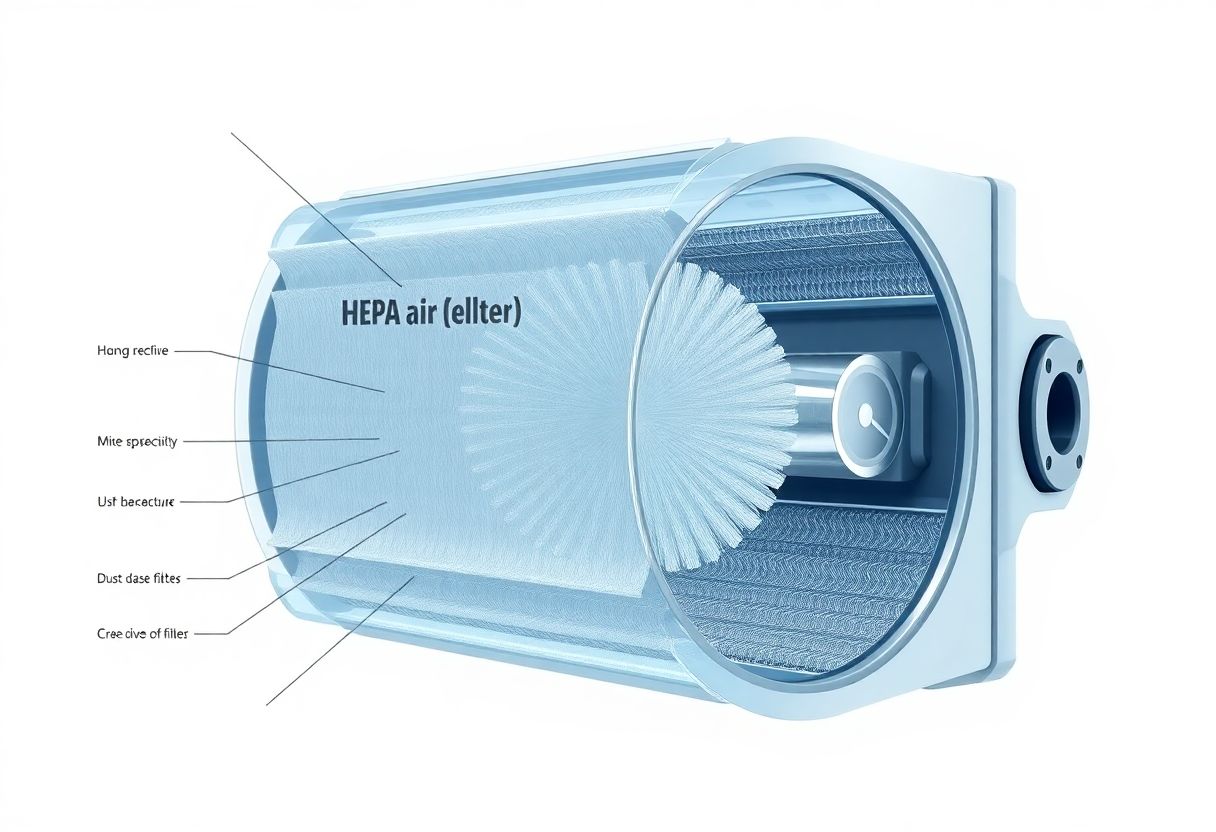
The effectiveness of HEPA filters is not solely due to the filtration mechanisms at play, but also to their carefully engineered structure. A HEPA filter is far more than just a single layer of material; its design is crucial to its remarkable performance.
HEPA filters typically consist of multiple layers of various materials, each contributing to the overall filtration efficiency. The core of a HEPA filter is usually made up of very fine glass fibers, often less than 1 micron in diameter. These fibers are arranged in a dense, maze-like pattern that creates a complex network of paths for air to navigate.
One of the key features of HEPA filters is their pleated design. By folding the filter material into a series of pleats, manufacturers can dramatically increase the surface area available for filtration without increasing the overall size of the filter. This pleated structure is crucial for maintaining high airflow rates while still providing excellent filtration.
In addition to the main filtering layer, many HEPA filters incorporate additional components to enhance their performance. For instance, some include activated carbon layers to remove odors and gaseous pollutants, which the HEPA material alone cannot capture. Others may feature antimicrobial treatments to prevent the growth of mold and bacteria within the filter itself.
The density and arrangement of fibers within a HEPA filter are carefully controlled during manufacturing to ensure optimal performance. The result is a filter that can trap particles much smaller than the spaces between its fibers, thanks to the combined effects of interception, impaction, and diffusion.
HEPA Filter Classifications: Understanding the Spectrum of Efficiency
Not all HEPA filters are created equal, and understanding the various classifications can help in selecting the right filter for a specific application. There are several systems for classifying HEPA filters, each with its own criteria and nomenclature.
True HEPA vs. HEPA-Type
The most basic distinction is between "True HEPA" and "HEPA-type" filters. True HEPA filters meet the strict standard of removing 99.97% of particles at 0.3 microns. HEPA-type filters, on the other hand, may be less efficient (for example, 99% at 2 microns) and do not meet the official HEPA standard. While HEPA-type filters can still provide good filtration, they are not suitable for applications requiring the highest level of air purity.
NIOSH Classifications
The National Institute for Occupational Safety and Health (NIOSH) in the United States classifies filters based on their efficiency and resistance to oil. This system is particularly relevant for respirators and industrial applications:
- N-Series filters are not resistant to oil. These include N95, N99, and N100 filters, where the number indicates the percentage of particles (0.3 microns and larger) that the filter can remove.
- R-Series filters are resistant to oil for up to 8 hours.
- P-Series filters are oil-proof, designed for long-term use in oil-rich environments.
European Standards
In Europe, HEPA filters are classified from H10 to H14, with H14 being the most efficient. This system is based on the filter's overall efficiency at its Most Penetrating Particle Size:
- H10 filters remove ≥85% of particles
- H11 filters remove ≥95% of particles
- H12 filters remove ≥99.5% of particles
- H13 filters remove ≥99.95% of particles
- H14 filters remove ≥99.995% of particles
Understanding these classifications is crucial for selecting the appropriate HEPA filter for a given application, whether it's for home use, industrial settings, or specialized environments like cleanrooms and hospitals.
Applications of HEPA Technology: From Homes to Cleanrooms
The versatility and effectiveness of HEPA filtration have led to its adoption across a wide range of applications, each leveraging the technology's ability to remove microscopic particles from the air.
Home Air Purifiers
Perhaps the most familiar application for many consumers, HEPA filters are a key component in home air purifiers. These devices are designed to remove allergens, dust, pet dander, and other pollutants from indoor air, providing relief for allergy sufferers and improving overall air quality. Many modern air purifiers combine HEPA filtration with other technologies like activated carbon filters for odor removal and UV-C light for microbial disinfection.
Vacuum Cleaners
HEPA filtration has revolutionized vacuum cleaner technology. By incorporating HEPA filters, vacuum cleaners can prevent fine dust and allergens from being released back into the air during cleaning. This is particularly beneficial for individuals with allergies or respiratory conditions, as it helps maintain cleaner air even during the cleaning process.
HVAC Systems
In buildings that require extremely clean air, such as hospitals, laboratories, and cleanrooms, HEPA filters are often integrated into the heating, ventilation, and air conditioning (HVAC) systems. These filters can remove a wide range of airborne contaminants, including bacteria and some viruses, helping to maintain a sterile environment and prevent the spread of airborne diseases.
Automotive Filtration
As awareness of air quality issues grows, some high-end automobile manufacturers have begun incorporating HEPA filtration into their cabin air systems. This can significantly improve the air quality inside vehicles, particularly in urban environments with high levels of air pollution.
Aerospace
In the aerospace industry, HEPA filters play a crucial role in maintaining air quality in aircraft and spacecraft. These environments present unique challenges due to the confined space and recycled air, making efficient filtration essential for passenger and crew health.
Cleanrooms and Pharmaceutical Manufacturing
In industries requiring ultra-clean environments, such as semiconductor manufacturing and pharmaceutical production, HEPA filtration is indispensable. These filters are used to create cleanrooms where even the tiniest particles could interfere with sensitive processes or contaminate products.
Personal Protective Equipment
Some high-grade face masks and respirators, such as N95 masks, utilize HEPA-grade filtration to protect wearers from airborne particles. This application has gained particular prominence during the COVID-19 pandemic, highlighting the importance of effective filtration in personal protective equipment.
The Evolution of HEPA Technology: From Wartime Innovation to Modern Necessity
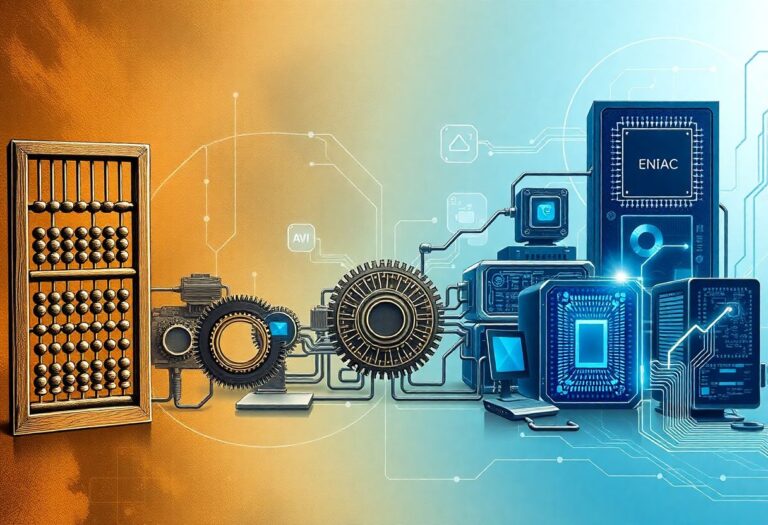
The development of HEPA filter technology is a fascinating journey that spans nearly a century, showcasing how innovations driven by wartime necessity can evolve into technologies that improve everyday life.
World War I: The Seeds of Innovation
The roots of HEPA filtration can be traced back to World War I, where the horrors of chemical warfare spurred the development of protective equipment. Early versions of folded paper filters were created to protect soldiers from chemical agents, laying the groundwork for more advanced filtration systems.
World War II and the Manhattan Project
The most significant leap in HEPA technology came during World War II, specifically as part of the Manhattan Project. The need to contain radioactive particles during the development of the atomic bomb led scientists to create highly efficient air filters. These filters were designed to remove extremely fine particles from the air, protecting workers and preventing the release of radioactive material into the environment.
Post-War Declassification and Civilian Applications
In the 1950s, the technology developed during the Manhattan Project was declassified, opening the door for civilian applications. This marked the beginning of HEPA filters as we know them today, with the term "HEPA" being coined and standardized.
The 1960s: Bringing HEPA into Homes
The 1960s saw a significant development in the accessibility of HEPA technology. German brothers Klaus and Manfred Hammes developed home air filtering systems to reduce soot from coal stoves, bringing the benefits of high-efficiency filtration to residential settings.
Modern Innovations and Widespread Adoption
Since the 1960s, HEPA technology has continued to evolve and find new applications. In 1966, the first inexpensive, pleated air filter was patented by Kenneth W. De Baun in the United States, making the technology more accessible for widespread use.
Today, HEPA filtration is ubiquitous, found in everything from household air purifiers to critical medical and industrial applications. The technology continues to be refined, with ongoing research into new materials and designs to improve efficiency and reduce energy consumption.
The Benefits and Limitations of HEPA Filtration
While HEPA filters offer remarkable air purification capabilities, it's important to understand both their strengths and limitations to use them effectively.
Benefits:
-
Exceptional Particle Removal: HEPA filters are extremely effective at removing a wide range of particle sizes, from large dust particles to microscopic allergens and some viruses.
-
Improved Indoor Air Quality: By removing airborne contaminants, HEPA filters can significantly enhance indoor air quality, potentially reducing symptoms for allergy and asthma sufferers.
-
No Ozone Production: Unlike some electronic air purifiers, HEPA filters do not produce ozone, a lung irritant that can be harmful to health.
-
Versatility: HEPA technology can be applied in various settings, from residential air purifiers to critical industrial and medical environments.
-
Standardized Performance: The HEPA standard provides a reliable benchmark for filtration efficiency, ensuring consistent performance across different manufacturers and applications.
Limitations:
-
Inability to Remove Odors and Gases: HEPA filters are designed to capture particles, not gases or odors. For comprehensive air purification, they often need to be combined with other technologies like activated carbon filters.
-
Regular Replacement Required: To maintain their efficiency, HEPA filters need to be replaced regularly, which can be costly over time.
-
Potential for Reduced Airflow: The dense structure of HEPA filters can restrict airflow, potentially increasing energy consumption in HVAC systems.
-
Higher Initial Cost: HEPA filters are generally more expensive than standard filters, though their superior performance often justifies the cost for many applications.
-
Proper Installation Critical: For optimal performance, HEPA filters must be correctly installed to prevent air bypass, which can significantly reduce their effectiveness.
Understanding these benefits and limitations is crucial for effectively integrating HEPA filtration into air quality management strategies, whether for personal use or in professional settings.
Maintaining HEPA Filters: Ensuring Optimal Performance
To reap the full benefits of HEPA filtration, proper maintenance is essential. Here are some key considerations for maintaining HEPA filters:
Regular Replacement
Following manufacturer guidelines for replacement intervals is crucial. As HEPA filters capture particles, they gradually become less efficient. The frequency of replacement depends on factors such as air quality, usage, and the specific application.
Proper Installation
Ensuring that the filter is correctly seated is vital to prevent air bypass. Even small gaps around the edges of a HEPA filter can significantly reduce its effectiveness, allowing unfiltered air to circulate.
Use of Pre-Filters
Employing pre-filters to capture larger particles can extend the life of the main HEPA filter. These pre-filters are typically less expensive and easier to replace, helping to maintain the efficiency of the HEPA filter for longer periods.
Careful Handling
When replacing filters, it's important to handle them carefully to avoid damage and potential release of trapped particles. Some HEPA filters are designed with special features to minimize this risk during replacement.
Monitoring Performance
For critical applications, regular testing of HEPA filter performance may be necessary. This can involve particle counting or other methods to ensure the filter continues to meet required efficiency standards.
Environmental Considerations
The environment in which the HEPA filter operates can affect its lifespan and performance. High humidity, for instance, can potentially lead to mold growth within the filter, while very dusty environments may require more frequent replacements.
By adhering to these maintenance practices, users can ensure that their HEPA filters continue to provide high-quality air purification, maintaining healthy indoor environments and protecting sensitive equipment or processes.
The Future of Air Filtration: Beyond HEPA
While HEPA technology continues to be a gold standard in air filtration, ongoing research and development are pushing the boundaries of what's possible in air purification. Several emerging technologies and approaches show promise for the future of air filtration:
Nanofiber Filters
Researchers are developing filters made from nanofibers, which could offer even higher efficiency than traditional HEPA filters while potentially reducing air resistance. These ultra-fine fibers can create a more effective barrier against particles while allowing for better airflow.
Smart Filtration Systems
The integration of artificial intelligence and Internet of Things (IoT) technology is leading to the development of smart filtration systems. These systems can adapt to air quality in real-time, adjusting filtration levels and airflow to optimize performance and energy efficiency.
Bioengineered Filters
An intriguing area of research involves the use of living organisms to purify air. Some