The Fascinating World of Snowmobiles: How These Winter Machines Really Work
Snowmobiles have revolutionized winter transportation and recreation, allowing us to traverse snowy landscapes with ease and speed. As a science and technology enthusiast, I find these machines truly captivating. In this comprehensive guide, we'll dive deep into the inner workings of snowmobiles, exploring their components, history, and the physics behind their operation. Whether you're a snowmobile aficionado or simply curious about these winter wonders, this article will provide you with a thorough understanding of snowmobile technology.
The Evolution of Snowmobiles: From Concept to Modern Marvel
The history of snowmobiles is a testament to human ingenuity in conquering harsh winter environments. The concept of motorized snow travel dates back to the early 20th century, with various inventors contributing to the evolution of these machines.
Early Pioneers and Prototypes
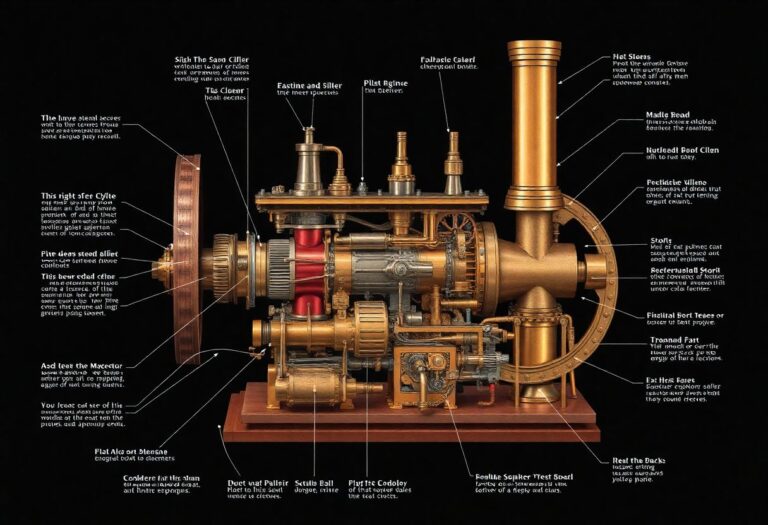
In 1908, Alvin Lombard created the Lombard Log Hauler, a steam-powered snow tractor that laid the groundwork for future snow vehicles. This behemoth was primarily used in the logging industry, demonstrating the potential for mechanized transport in snowy conditions. Just a few years later, in 1913, Edward L. Schuh patented a "runner attachment" for automobiles, allowing them to travel on snow. These early innovations, while not snowmobiles in the modern sense, were crucial steps in the development of winter transportation technology.
The Birth of the Modern Snowmobile
The true genesis of the snowmobile as we know it today came in 1959 when Joseph-Armand Bombardier introduced the Ski-Doo. This was the first commercially successful snowmobile and marked the beginning of a new era in winter recreation and utility vehicles. Bombardier's design incorporated key features that would define snowmobiles for decades to come: a lightweight frame, ski steering, and a rear-mounted engine driving a track system.
The 1960s saw rapid development and growing popularity of snowmobiles. Companies like Polaris, Arctic Cat, and Yamaha entered the market, driving innovation and competition. This period witnessed significant improvements in engine performance, suspension systems, and overall design, setting the stage for the sophisticated machines we see today.
The Anatomy of a Snowmobile: A Closer Look
To truly understand how snowmobiles work, we need to examine their key components and systems. Each part plays a crucial role in the machine's ability to navigate snowy terrain efficiently and safely.
Chassis and Body: The Snowmobile's Foundation
The chassis forms the backbone of the snowmobile, providing structure and support for all other components. Modern snowmobile frames are typically made from lightweight yet strong materials such as aluminum alloys or high-strength steel. These materials offer an optimal balance of durability and weight reduction, crucial for performance in snow.
The body, often constructed from fiberglass or high-impact plastics, serves multiple purposes. It protects the internal components from snow and debris, improves aerodynamics, and contributes to the overall aesthetic of the machine. The hood, typically hinged for easy access to the engine compartment, often incorporates vents for cooling and air intake.
Engine and Power System: The Heart of the Machine
At the core of any snowmobile is its engine, providing the power necessary to propel the vehicle through snow and ice. Snowmobile engines have evolved significantly over the years, with two main types dominating the market: two-stroke and four-stroke engines.
Two-stroke engines, once the standard in snowmobiles, are known for their high power-to-weight ratio. They produce power on every crankshaft revolution, resulting in a more responsive feel. However, they typically require oil to be mixed with fuel and are generally less fuel-efficient than their four-stroke counterparts.
Four-stroke engines, increasingly common in modern snowmobiles, offer several advantages. They are more fuel-efficient, produce fewer emissions, and operate more quietly. While traditionally heavier than two-stroke engines, advancements in materials and design have significantly reduced this weight difference.
Engine sizes in snowmobiles typically range from 600cc to 1200cc, with some high-performance models boasting even larger displacements. For example, the Yamaha Sidewinder series features a 998cc turbocharged four-stroke engine, capable of producing over 200 horsepower.
The power from the engine is transferred to the track system through a series of components:
- The clutch system, which manages power delivery and allows the engine to idle without moving the track.
- A drive shaft that connects the engine output to the track drive system.
- A chaincase housing the final drive chain, which turns the track drive sprocket.
Track System: The Snowmobile's Unique Propulsion
The track is what truly sets a snowmobile apart from other vehicles, allowing it to move efficiently over snow. Modern snowmobile tracks are marvels of engineering, designed to provide optimal traction and flotation in various snow conditions.
Tracks are typically made from durable materials such as reinforced rubber, often incorporating fibers like Kevlar for added strength. The width of the track can vary, but most modern snowmobiles use tracks between 34 and 40 cm (13.5 to 16 inches) wide. Track length can range from around 120 to 155 inches, depending on the snowmobile's intended use.
The track's surface features a pattern of lugs or cleats that dig into the snow, providing forward propulsion. The depth and pattern of these lugs can vary, with deeper lugs generally providing better traction in loose or deep snow.
The track system includes several key components:
- The drive sprocket, powered by the engine, which turns the track.
- Idler wheels that guide the track and maintain proper tension.
- Slide rails that support the weight of the snowmobile on the track.
- A suspension system that absorbs shocks and improves ride quality.
Steering and Control Systems: Navigating the Snow
Precise control is crucial when navigating through snow and ice. The steering system of a snowmobile is relatively simple but highly effective.
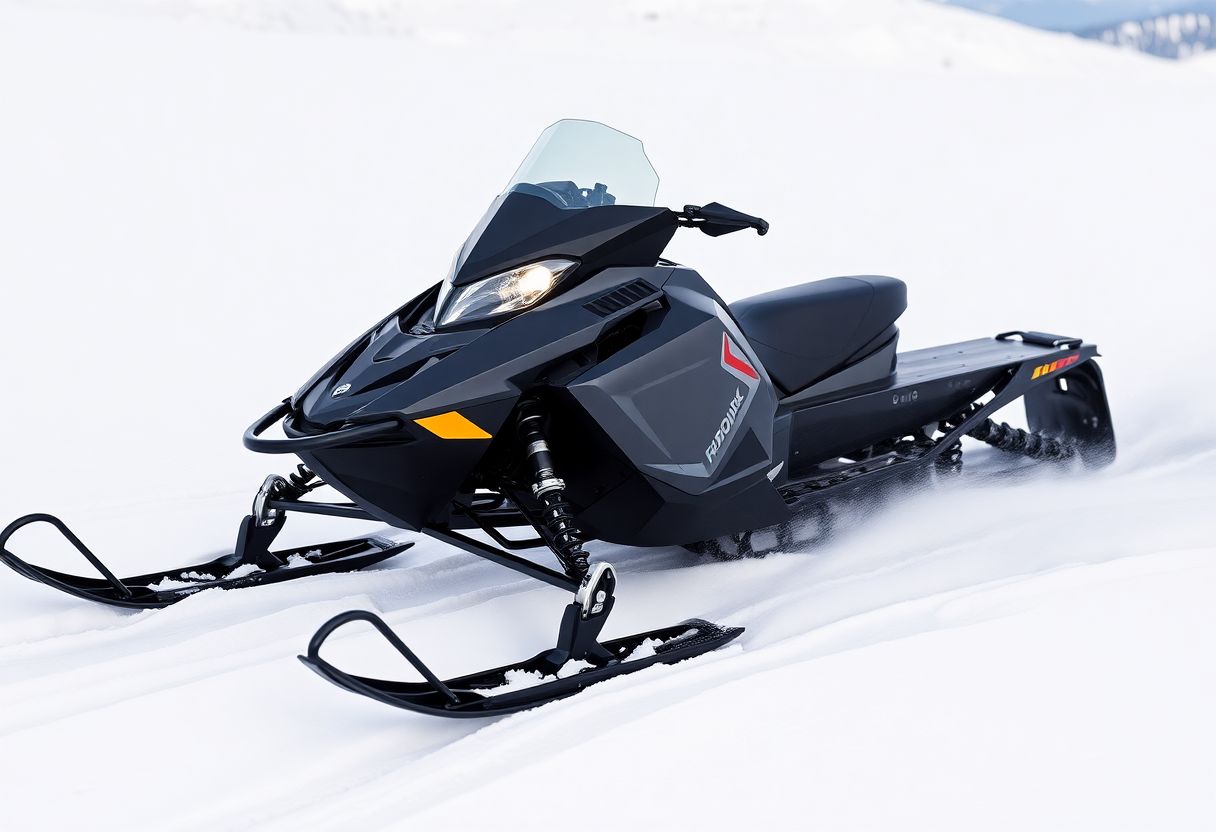
The front of the snowmobile is equipped with two skis, typically made from high-density polyethylene or a similar durable plastic. These skis are designed to float on top of the snow and provide directional control. The shape of the skis, with an upward curve at the front, allows them to glide over obstacles and maintain stability.
The handlebars are connected to the skis via a steering column and linkage system. When the rider turns the handlebars, this motion is translated to the skis, changing the direction of travel. The effectiveness of steering is also influenced by the rider's body position, with leaning into turns helping to initiate and control the snowmobile's direction.
Control inputs are primarily managed through the handlebars. The right handlebar typically houses the throttle control, usually in the form of a thumb lever. This allows the rider to modulate engine speed and, consequently, the snowmobile's speed. On the left handlebar, you'll usually find the brake lever, which activates the snowmobile's braking system.
The Physics of Snowmobile Movement
Understanding the physics behind snowmobile operation provides insight into their design and capabilities. Several key principles come into play when a snowmobile moves through snow.
Flotation: Staying on Top
One of the primary challenges in snow travel is avoiding sinking into the snow. Snowmobiles achieve this through the principle of flotation. By distributing the weight of the machine and rider over a large surface area, snowmobiles can effectively "float" on top of the snow rather than plowing through it.
This flotation is achieved through two main features:
- The wide, flat skis at the front spread the weight over a larger area.
- The long, wide track at the rear further distributes the weight and provides a large contact patch with the snow.
The pressure exerted on the snow can be calculated using the formula:
Pressure = Force / Area
By maximizing the area in contact with the snow, snowmobiles minimize the pressure exerted, allowing them to stay on top of even soft, powdery snow.
Traction: Gaining Ground
While flotation keeps the snowmobile from sinking, traction is what allows it to move forward. The track is the primary source of traction for a snowmobile. As the track rotates, its lugs or cleats dig into the snow, creating a pushing force.
The amount of traction available depends on several factors:
- The depth and pattern of the track lugs
- The composition and consistency of the snow
- The weight distribution of the snowmobile
- The power applied through the track
The relationship between these factors can be complex. For example, while more weight can increase traction by causing the track to dig in more deeply, too much weight can cause the snowmobile to sink, reducing overall mobility.
Momentum and Inertia: Keeping the Motion
Once in motion, a snowmobile's ability to maintain speed and overcome obstacles is partly due to its momentum. The formula for momentum is:
Momentum = Mass × Velocity
A moving snowmobile has considerable momentum, which helps it push through snow drifts or climb over small obstacles. However, this same momentum can make it challenging to stop quickly or make sudden direction changes, which is why proper speed management and anticipation are crucial skills for snowmobile operators.
Advanced Snowmobile Technologies
Modern snowmobiles incorporate a range of advanced technologies to enhance performance, safety, and rider experience. Let's explore some of these innovations:
Electronic Fuel Injection (EFI)
Many contemporary snowmobiles use Electronic Fuel Injection systems instead of traditional carburetors. EFI systems offer several advantages:
- Precise fuel delivery based on engine conditions, improving fuel efficiency
- Better cold-starting capabilities, crucial for winter operations
- Automatic adjustment for altitude changes, maintaining optimal performance
- Reduced emissions, meeting increasingly stringent environmental standards
Variable Exhaust Systems
Advanced exhaust systems in modern snowmobiles can adjust their characteristics based on engine speed and load. These systems typically use movable valves or flaps in the exhaust tract to optimize back pressure and exhaust flow.
At low RPMs, the system restricts exhaust flow, increasing back pressure and improving low-end torque. As engine speed increases, the exhaust path opens up, reducing back pressure and allowing for better high-end power. This results in a broader, more usable power band across the entire RPM range.
Adjustable Suspension Systems
Many high-end snowmobiles now feature adjustable suspension systems that allow riders to fine-tune their machine's handling characteristics. These systems may include:
- Adjustable shock absorbers with varying compression and rebound settings
- On-the-fly adjustable spring preload
- Electronically controlled suspension systems that can adapt to terrain in real-time
For example, Ski-Doo's rMotion X suspension system allows for tool-free adjustments to the rear suspension, enabling riders to optimize their setup for different snow conditions or riding styles.
Rider Safety Technologies
Snowmobile manufacturers are increasingly incorporating advanced safety features into their machines. These can include:
- Throttle-by-wire systems that allow for different riding modes (e.g., eco, sport, work)
- Tether switches that cut engine power if the rider falls off
- GPS-enabled emergency beacons for remote area riding
- Reinforced roll cages on utility models for enhanced crash protection
Environmental Considerations and Future Trends
As with any motorized vehicle, snowmobiles have an environmental impact that manufacturers and users are increasingly aware of. Efforts to mitigate these impacts are shaping the future of snowmobile design and use.
Emissions Reduction
Modern snowmobiles, particularly those with four-stroke engines, produce significantly fewer emissions than their predecessors. Manufacturers are continually working to improve engine efficiency and reduce harmful exhaust components. For instance, Arctic Cat's C-TEC2 engine technology in their two-stroke models uses a clean-burning design that reduces oil consumption by up to 30% compared to conventional two-stroke engines.
Electric Snowmobiles
Perhaps the most exciting development in snowmobile technology is the emergence of electric models. Companies like Taiga Motors are pioneering all-electric snowmobiles that produce zero direct emissions and operate almost silently. These electric snowmobiles offer instant torque and consistent power delivery, advantages that are particularly beneficial in snow conditions.
However, electric snowmobiles face challenges, particularly in terms of battery performance in cold conditions and the availability of charging infrastructure in remote areas. As battery technology improves and charging networks expand, we can expect to see more widespread adoption of electric snowmobiles in the coming years.
Advanced Materials and Manufacturing
The use of advanced materials and manufacturing techniques is another trend shaping the future of snowmobiles. Carbon fiber components, 3D-printed parts, and other high-tech materials are being incorporated to reduce weight, improve strength, and enhance performance. For example, some manufacturers are using carbon fiber in ski construction to reduce weight and improve handling.
Autonomous and Connected Features
While fully autonomous snowmobiles may be a ways off, we're beginning to see the integration of smart, connected features in modern machines. These can include:
- Smartphone connectivity for engine diagnostics and performance data
- GPS-based track recording and sharing
- Automated emergency notification systems
In the future, we might see semi-autonomous features like adaptive cruise control or even self-driving capabilities for tasks like trail grooming or search and rescue operations.
Conclusion: The Ongoing Evolution of Snowmobile Technology
Snowmobiles represent a fascinating intersection of mechanical engineering, environmental adaptation, and recreational technology. From their humble beginnings as converted automobiles to today's high-tech machines, snowmobiles have come a long way in a relatively short time.
Understanding how snowmobiles work not only enhances our appreciation for these remarkable vehicles but also promotes safer and more responsible use. As we've explored, every aspect of a snowmobile's design – from its engine and track system to its steering and suspension – is carefully engineered to provide optimal performance in challenging winter conditions.
As technology continues to advance, we can look forward to snowmobiles that are even more efficient, environmentally friendly, and capable of taking us further into winter wonderlands. The integration of electric powertrains, smart connected features, and advanced materials promises to revolutionize snowmobiling in the coming decades.
Whether you're a seasoned rider, a winter sports enthusiast, or simply someone fascinated by innovative technology, snowmobiles offer a unique glimpse into human ingenuity and our persistent desire to explore and enjoy even the most challenging environments. As we look to the future, it's clear that snowmobiles will continue to evolve, providing new and exciting ways to experience the beauty and thrill of winter landscapes.