The Science and Engineering Behind Drilling: How Drills Work and Shape Our World
Drilling technology has been a cornerstone of human progress for centuries, enabling us to build, explore, and extract resources in ways that have fundamentally shaped our modern world. From the simple hand drills used in carpentry to massive oil rigs probing miles beneath the earth's surface, the basic principles of drilling remain remarkably consistent. This article delves into the fascinating science and engineering that makes drilling possible, exploring how these machines work and their wide-ranging applications.
The Anatomy of a Drill: Core Components and Their Functions
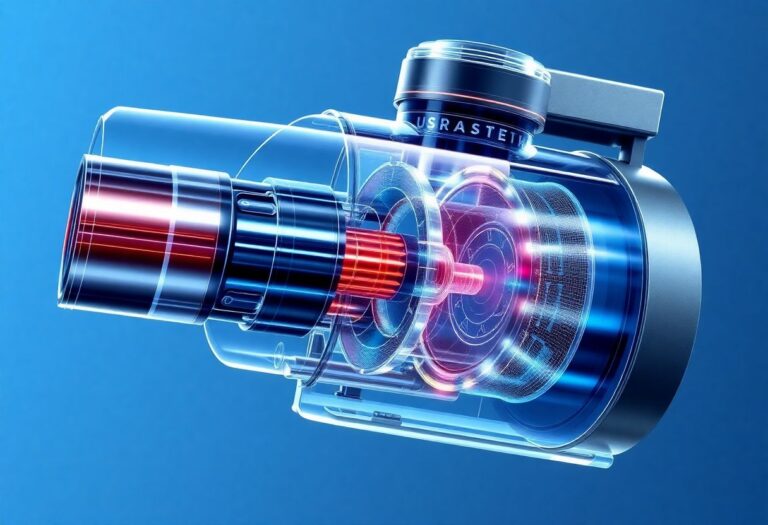
At its most basic, a drill is a machine designed to create holes in various materials. While this may sound simple, the technology behind drilling is surprisingly complex and has evolved dramatically over time. To understand how drills work, we must first examine their key components:
The Power Source: Driving the Drill
Every drill requires a power source to drive its operation. This can range from human muscle power in simple hand drills to massive diesel engines in industrial drilling rigs. The most common types of drill power sources include:
-
Manual power: Used in traditional hand drills like the brace and bit, these rely on human strength and leverage to generate rotational force.
-
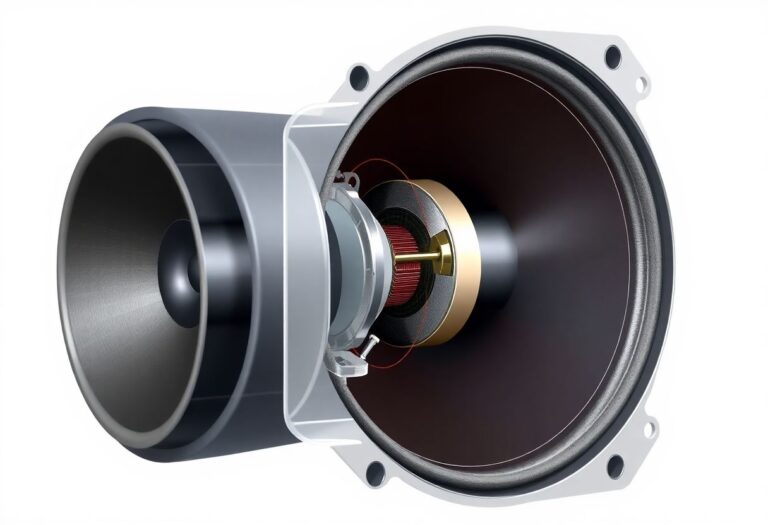
Electric motors: Found in most household power drills, these convert electrical energy into rotational motion. Modern cordless drills use high-capacity lithium-ion batteries for portability.
-
Pneumatic systems: Compressed air drives these drills, common in many industrial applications due to their high power-to-weight ratio.
-
Hydraulic systems: Used in large-scale drilling operations, hydraulic drills utilize pressurized fluid to generate powerful rotational and thrust forces.
-
Combustion engines: Diesel or gasoline engines power many large industrial drills, especially in remote locations without access to electrical grids.
The power source's primary function is to generate the rotational force (torque) needed to turn the drill bit and overcome the resistance of the material being drilled.
The Drill Bit: Where Science Meets Engineering
The drill bit is arguably the most critical component of any drilling system. It's the part that actually cuts into the material to create the hole. Drill bits come in a vast array of shapes, sizes, and materials, each optimized for specific applications. However, most share some common features:
-
Cutting edge: The sharpened or specially shaped part of the bit that actually removes material. The geometry of the cutting edge is crucial for efficiency and can vary widely based on the material being drilled.
-
Flutes or grooves: Channels along the body of the bit that allow chips and debris to be evacuated from the hole as drilling progresses. The design of these flutes significantly impacts drilling efficiency and heat dissipation.
-
Shank: The part of the bit that connects to the drill's chuck or collet, transmitting rotational force from the power source to the cutting edge.
Drill bits are often made from extremely hard and durable materials to withstand the intense heat and abrasion generated during drilling. Common materials include:
- High-speed steel (HSS): A tough alloy used for many general-purpose bits
- Tungsten carbide: Extremely hard material often used as inserts on drill bit tips for improved wear resistance
- Polycrystalline diamond (PCD): Used for drilling very abrasive materials or in high-precision applications
- Cubic boron nitride (CBN): Nearly as hard as diamond, used for drilling hardened steels and other tough materials
The specific geometry and material of a drill bit are carefully engineered to efficiently cut through the target material while maximizing tool life and minimizing heat generation.
The Science of Drilling: Key Principles at Work
Several fundamental scientific principles underpin the drilling process:
Hardness and Abrasion Resistance
The relative hardness of the drill bit versus the material being drilled is crucial for effective cutting. Scientists and engineers use various scales to quantify material hardness, including:
- Mohs scale: A 1-10 scale commonly used for minerals, with diamond at 10 being the hardest.
- Rockwell scale: Used for metals and plastics, measuring the depth of indentation under a specified load.
- Brinell hardness: Another method for measuring the hardness of metals, particularly useful for large, heterogeneous materials.
Drill bits must be made from materials higher on these scales than what they're drilling into. Additionally, abrasion resistance is critical for maintaining the bit's shape and cutting efficiency over time.
Energy and Power Transmission
Drilling requires significant energy to overcome the resistance of the material. This energy is typically supplied as rotational kinetic energy from the power source. The rate at which this energy is supplied (power) determines how quickly drilling can proceed. However, it's crucial to note that much of this energy is converted to heat through friction, which can lead to tool wear and workpiece damage if not properly managed.
Pressure and Force Concentration
The narrow point of a drill bit concentrates force into a small area, creating high pressure that allows it to penetrate hard materials. This principle is described by the equation:
Pressure = Force / Area
By reducing the contact area at the cutting edge, drills can achieve the high pressures needed to overcome the strength of even very hard materials.
Mechanical Advantage and Torque
The design of a drill provides mechanical advantage, multiplying the torque applied to the bit. This is achieved through gearing in the drill's transmission and the ratio between the chuck diameter and the bit diameter. The resulting torque amplification allows even relatively small motors to generate the high rotational forces needed for drilling.
Heat Generation and Management
The friction inherent in the drilling process generates substantial heat. This heat can have both positive and negative effects:
- Positive: Softening of the material being drilled, potentially making cutting easier
- Negative: Premature wear of the drill bit, thermal expansion leading to reduced hole accuracy, and potential damage to the workpiece
Effective heat management is crucial in drilling operations. This is often achieved through:
- Proper speed and feed rates to balance cutting efficiency and heat generation
- Use of cutting fluids or coolants to dissipate heat
- Design of drill bit flutes to efficiently evacuate hot chips
- Selection of appropriate bit materials with good thermal conductivity
Industrial Drilling: Scaling Up the Technology
While household drills are familiar to many, industrial drilling operations take the technology to a whole new scale. Two main types of large-scale drilling are commonly used:
Rotary Drilling: The Backbone of Oil and Gas Extraction
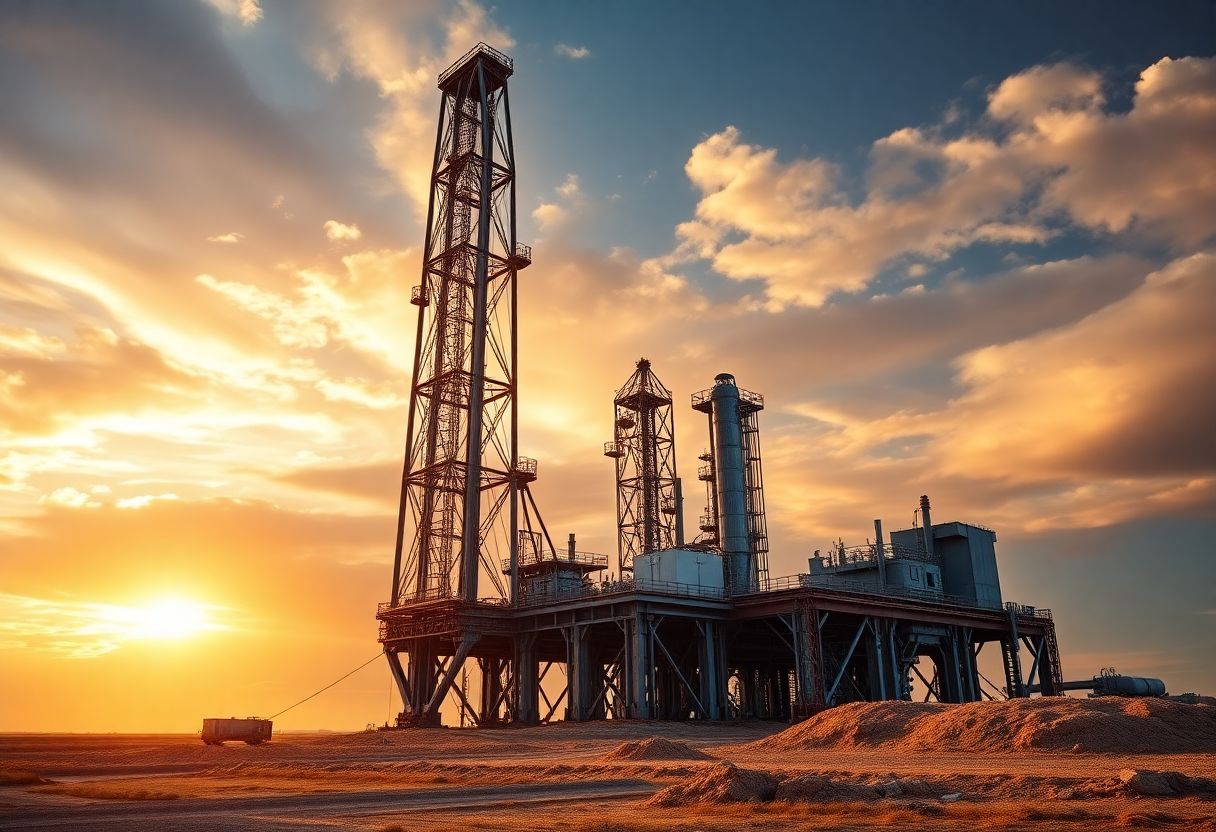
Rotary drilling is the primary method used for oil and gas extraction, as well as many other deep drilling applications. It involves a long drill string that is gradually extended as it bores deeper into the earth. Key components of a rotary drilling system include:
-
Derrick: The tall support structure for the drilling equipment, often reaching heights of over 100 feet.
-
Drill string: The long assembly of pipes that transmit rotational force from the surface to the bit. This can extend for miles in deep wells.
-
Drill bit: Specially designed for cutting through rock formations. Common types include:
- Roller cone bits: Use rotating cones with teeth to crush rock
- Polycrystalline diamond compact (PDC) bits: Use fixed diamond-impregnated cutters for shearing rock
-
Mud system: Circulates drilling fluid (mud) down through the drill string and back up the annulus between the string and the borehole wall. This mud serves several critical functions:
- Cooling the drill bit
- Lubricating the drill string
- Carrying rock cuttings to the surface
- Maintaining pressure control in the well
- Stabilizing the borehole walls
-
Blowout preventer (BOP): A critical safety device that can quickly seal the well to prevent uncontrolled release of oil or gas.
-
Top drive or rotary table: The mechanism that imparts rotational force to the drill string. Modern rigs often use top drive systems for improved efficiency and control.
Rotary drilling rigs can reach astounding depths, with the deepest oil well ever drilled extending over 40,000 feet (12.3 km) below the surface.
Percussive Drilling: Harnessing Impact Force
Percussive drilling uses repeated impact forces to chip away at hard materials. This method is particularly effective in very hard rock formations where rotary drilling might be less efficient. Examples of percussive drilling include:
- Jackhammers for breaking up concrete and asphalt
- Down-the-hole (DTH) hammers for deep rock drilling in mining and water well applications
- Pile drivers for installing foundation piles in construction
Percussive drilling works by delivering rapid, high-energy impacts to a drill bit or chisel. The kinetic energy of each impact is transferred to the rock, causing it to fracture and chip away. This method is often combined with rotation (as in rotary-percussive drills) for maximum effectiveness in hard rock formations.
Advanced Drilling Technologies: Pushing the Boundaries
Modern drilling operations employ a range of sophisticated technologies to improve efficiency, accuracy, and safety:
Directional Drilling
Directional drilling allows boreholes to be steered in non-vertical directions. This technology has revolutionized oil and gas extraction, enabling:
- Multiple wells from a single surface location, reducing environmental impact
- Access to reservoirs beneath sensitive surface areas
- Increased production from reservoirs by maximizing wellbore contact
Directional drilling is achieved through the use of:
- Bent sub assemblies: Slight angles in the drill string that cause the bit to deviate from a straight path
- Mud motors: Downhole motors powered by drilling fluid that allow the bit to rotate independently of the drill string
- Rotary steerable systems: Advanced tools that allow continuous steering while drilling
Measurement While Drilling (MWD) and Logging While Drilling (LWD)
These technologies provide real-time data during the drilling process:
- MWD tools measure the position and orientation of the drill bit, crucial for directional drilling
- LWD tools collect geologic data about the formations being drilled through, including:
- Natural gamma radiation levels
- Formation resistivity
- Density and porosity
- Pressure
This real-time data allows engineers to make informed decisions about drilling parameters and well placement, significantly improving efficiency and reducing risk.
Managed Pressure Drilling (MPD)
MPD is an adaptive drilling process that precisely controls the annular pressure profile throughout the wellbore. This technology is particularly useful in challenging formations with narrow pressure margins between pore pressure and fracture gradient. Benefits of MPD include:
- Reduced risk of well control incidents
- Ability to drill through depleted zones or naturally fractured formations
- Improved drilling efficiency and reduced non-productive time
Casing While Drilling
This innovative technique installs the well casing (the large-diameter pipe that lines the borehole) simultaneously with the drilling process. Advantages include:
- Reduced trip time, as the drill string doesn't need to be removed to run casing
- Improved wellbore stability in problematic formations
- Potential for significant time and cost savings in well construction
Environmental and Safety Considerations in Drilling
Drilling operations, especially in the oil and gas industry, come with significant environmental and safety risks. Modern drilling practices focus heavily on mitigating these risks through various means:
Blowout Prevention
Blowouts, or uncontrolled releases of oil or gas, pose severe safety and environmental hazards. Advanced blowout preventers (BOPs) and well control procedures are critical for preventing these incidents. Modern BOPs can:
- Rapidly seal the wellbore using multiple redundant systems
- Withstand extreme pressures (up to 20,000 psi in some cases)
- Be remotely operated in emergencies
Waste Management
Proper handling of drilling waste is crucial for environmental protection. This includes:
- Treatment and disposal of drilling fluids and cuttings
- Recycling and reuse of drilling mud where possible
- Use of closed-loop systems to minimize waste generation
Surface Impact Mitigation
Efforts to reduce the environmental footprint of drilling operations include:
- Use of multi-well pads to minimize surface disturbance
- Restoration of drill sites after operations are complete
- Implementation of noise reduction technologies in populated areas
Worker Safety
Drilling can be a hazardous occupation, but modern safety practices have significantly reduced risks. Key safety measures include:
- Comprehensive training programs for all personnel
- Use of personal protective equipment (PPE)
- Implementation of automated systems to reduce human exposure to dangerous areas
- Regular safety audits and continuous improvement programs
Emissions Reduction
The drilling industry is increasingly focusing on reducing greenhouse gas emissions through:
- Use of cleaner-burning fuels or electrification of rig power systems
- Implementation of vapor recovery systems to capture fugitive emissions
- Development of technologies for carbon capture and storage
The Future of Drilling Technology
As we look to the future, several trends are shaping the evolution of drilling technology:
Automation and Robotics
Increased automation of drilling operations promises to improve safety, efficiency, and consistency. Developments in this area include:
- Autonomous drilling rigs that can operate with minimal human intervention
- Robotic pipe handling systems to reduce manual labor and improve safety
- Machine learning algorithms for real-time optimization of drilling parameters
Advanced Materials
New materials are continually being developed to improve drill bit and component performance:
- Nanomaterials for enhanced wear resistance and thermal properties
- Novel alloys and composites for lighter, stronger drill strings
- Self-healing materials to extend the life of drilling equipment
Improved Sensors and Data Analytics
The integration of advanced sensors and big data analytics is revolutionizing drilling operations:
- Distributed fiber optic sensing along the entire wellbore for real-time monitoring
- Artificial intelligence systems for predictive maintenance and drilling optimization
- Advanced visualization technologies for improved decision-making
Novel Drilling Methods
Researchers are exploring entirely new approaches to drilling, including:
- Laser drilling: Using high-powered lasers to melt and vaporize rock
- Plasma drilling: Employing electrically charged gas to break down rock formations
- Hydrothermal spallation: Utilizing thermal stresses to fragment hard rock
Geothermal Drilling
As the world transitions to cleaner energy sources, geothermal drilling is gaining increased attention:
- Development of technologies for accessing deep geothermal resources
- Improved methods for creating engineered geothermal systems (EGS)
- Integration of geothermal systems with abandoned oil and gas wells
Extraterrestrial Drilling
As space exploration advances, drilling technology will play a crucial role:
- Development of lightweight, autonomous drills for planetary exploration
- Technologies for extracting water ice and other resources from lunar or Martian soil
- Adaptation of drilling systems to operate in extreme extraterrestrial environments
Conclusion: The Enduring Impact of Drilling Technology
From simple hand drills to massive oil rigs and futuristic planetary explorers, drilling technology has come a long way since its ancient origins. The science and engineering behind modern drilling operations are truly impressive, allowing us to bore miles into the earth's crust, access valuable resources, and even explore other worlds.
As we face growing energy demands and environmental challenges, continued innovation in drilling technology will play a crucial role in shaping our future. Whether it's developing geothermal energy, safely decommissioning old wells, or extracting resources from asteroids, the future of drilling promises to be just as impactful as its past.
The next time you pick up a power drill for a home project, take a moment to appreciate the centuries of scientific and technological progress that made that simple tool possible. It's a testament to human ingenuity and our drive to reshape the world around us. From the smallest DIY project to the grandest feats of engineering, drilling technology continues to be a powerful force in human progress and exploration.