The Big White Fans in Fields: Harnessing the Wind for a Sustainable Future
Wind turbines have become an increasingly common sight across landscapes worldwide. These towering white structures with slowly rotating blades are harnessing the power of the wind to generate clean, renewable electricity. As our society grapples with the urgent need to transition to sustainable energy sources, wind power has emerged as a key player in the renewable energy revolution. But how exactly do these massive machines work? What are their advantages and limitations? And what role will they play in our energy future? Let's take a comprehensive look at wind turbine technology and its impacts.
The Anatomy of a Wind Turbine
To understand how wind turbines work, we first need to examine their key components. Modern utility-scale wind turbines are marvels of engineering, typically standing over 80 meters (260 feet) tall with rotor diameters spanning over 100 meters (328 feet). The main components include:
The blades are perhaps the most visually striking part of a wind turbine. Usually three in number, these large aerodynamic structures are designed to catch the wind efficiently. Made from composite materials like fiberglass and carbon fiber, the blades are both lightweight and incredibly strong, able to withstand the immense forces exerted by the wind.
The rotor consists of the hub and blades that rotate to drive the generator. This is where the magic begins, as the rotor captures the kinetic energy of the wind and converts it into rotational mechanical energy.
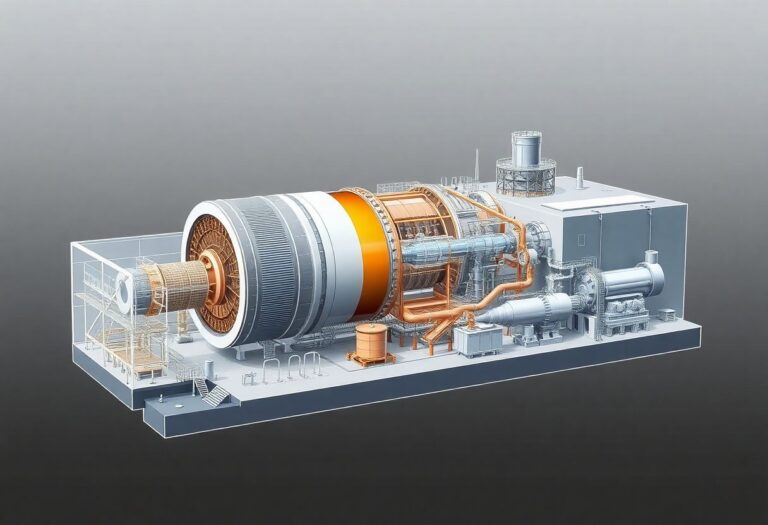
Atop the tower sits the nacelle, a housing that contains the gearbox, generator, and other critical components. The gearbox increases the relatively slow rotation of the blades (about 15 RPM) to the high speeds needed by the generator (1,000-1,800 RPM). Some newer designs use direct-drive generators that eliminate the need for a gearbox, potentially improving reliability.
The tower, typically made of steel tubular sections, supports the nacelle and rotor. Its height is crucial, as winds are generally stronger and more consistent at higher altitudes.
Finally, the foundation, hidden underground, anchors the entire structure securely to the earth. These massive concrete bases ensure the turbine remains stable even in high winds.
A single large turbine can generate several megawatts of power – enough to supply hundreds or even thousands of homes. The latest offshore wind turbines can produce up to 15 megawatts each, a testament to the rapid advancement of wind technology.
The Science Behind Wind Power
The basic principle behind wind turbines is deceptively simple, but the science and engineering involved are quite sophisticated. When wind blows over the turbine blades, it causes them to spin. This rotational energy is then converted into electricity through a series of steps:
First, the blades capture the wind's energy. The blades have a carefully calculated aerodynamic shape, similar to airplane wings. This shape creates a pressure difference between the upper and lower surfaces of the blade, generating lift that causes the rotor to spin.
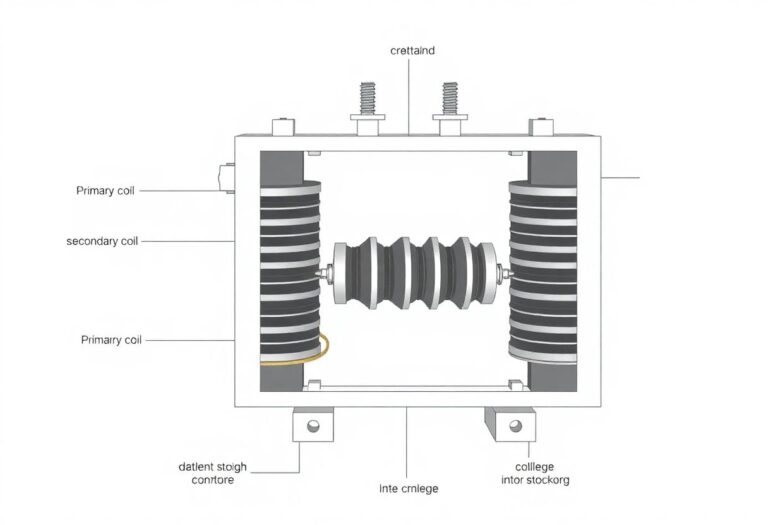
As the rotor spins, it turns a shaft connected to the generator inside the nacelle. The generator uses an electromagnetic process called induction to convert this mechanical energy into electrical energy. Inside the generator, magnets pass by copper wire coils, inducing an electric current.
The electricity produced is then sent through transmission lines to power homes and businesses. However, before it reaches consumers, it typically goes through a series of transformers to increase its voltage for long-distance transmission and then decrease it again for safe use in homes and businesses.
Several factors affect how much energy a turbine can produce. Wind speed is crucial, as the power output increases exponentially with wind speed. This is why wind farms are carefully sited in areas with favorable wind conditions. The size of the rotor also plays a significant role – larger rotors capture more wind energy. Air density is another factor, with colder, denser air providing more energy than warmer air.
Interestingly, wind turbines can't extract all of the energy from the wind. The theoretical maximum efficiency, known as the Betz Limit, is about 59%. Modern wind turbines are impressively efficient, converting about 40-50% of the wind energy that passes through the rotor area into electrical energy.
Advanced Engineering for Optimal Performance
While the basic concept of wind power is straightforward, modern wind turbines incorporate sophisticated engineering to maximize efficiency and reliability:
Pitch control systems allow the angle of the blades to be adjusted to optimize performance in different wind conditions. In very high winds, the blades can be feathered (turned parallel to the wind) to reduce stress on the turbine and prevent damage.
Yaw control systems rotate the entire rotor and nacelle assembly atop the tower to face the prevailing wind direction. This ensures the turbine is always oriented optimally to capture the most wind energy.
Advanced materials science plays a crucial role in turbine design. The blades, for instance, must be both light enough to turn easily in low winds and strong enough to withstand the immense forces present in high winds. Composite materials like carbon fiber-reinforced plastics are increasingly used to meet these demanding requirements.
Sophisticated control systems continuously monitor wind conditions and turbine performance, adjusting operations as needed. These systems can detect faults, optimize power output, and shut down the turbine if conditions become unsafe.
Recent advancements include the development of floating offshore wind turbines. These innovative designs allow wind farms to be placed in much deeper waters, accessing stronger and more consistent winds far from shore.
The Growth and Future of Wind Energy
Wind power has seen dramatic growth over the past few decades, evolving from a niche technology to a mainstream energy source. According to the Global Wind Energy Council, global wind capacity grew from just 7.5 GW in 1997 to over 743 GW in 2020. In 2020, wind supplied 6% of global electricity, up from less than 1% in 2010.
Several factors are driving this rapid expansion. Technological improvements have led to larger, more efficient turbines that can generate more power at lower costs. The economics of wind power have improved significantly, with wind now cost-competitive with fossil fuels in many areas. Supportive government policies, including incentives and renewable energy targets, have also played a crucial role.
The future of wind energy looks promising. The International Energy Agency projects that wind could provide up to 18% of global electricity by 2050. Offshore wind, in particular, is poised for dramatic growth, with capacity expected to increase 15-fold by 2040.
Future technological advancements are likely to further improve the performance and economics of wind power. We can expect to see even larger turbines, with capacities exceeding 15 MW for offshore applications. Advanced materials and designs will boost efficiency, while improved forecasting and grid integration technologies will help address the challenge of wind's variability.
However, challenges remain. Supply chain constraints, permitting issues, and grid interconnection bottlenecks will need to be addressed to realize wind's full potential. The intermittent nature of wind power also presents challenges for grid integration, although technologies like energy storage and smart grids are helping to mitigate these issues.
Environmental Impacts: Weighing the Pros and Cons
Wind energy is widely considered a clean technology, but it's important to consider its full environmental impact. On the positive side, wind turbines produce no direct emissions or pollution during operation, making them a powerful tool in the fight against climate change and air pollution. They also have a low life-cycle carbon footprint and minimal water usage, in stark contrast to many conventional power sources.
However, wind farms can have some negative environmental impacts. Bird and bat collisions are a concern, although proper siting and newer technologies like radar-activated shutdown systems can help mitigate this issue. Wind farms can also disrupt habitats, particularly during the construction phase. The visual impact on landscapes is subjective but is a significant concern for some communities.
Noise pollution has been another point of contention, although modern turbine designs have significantly reduced this issue. Low-frequency sound and vibrations, sometimes referred to as "infrasound," have been a subject of debate, with some people claiming health effects. However, numerous scientific studies have found no evidence of direct health effects from wind turbine sound at the levels experienced by nearby residents.
It's worth noting that the raw materials required for turbine components, like rare earth elements for the generators, do have environmental impacts associated with their extraction and processing. However, life cycle analyses consistently show that these impacts are far outweighed by the environmental benefits of the clean energy produced over the turbine's lifetime.
When compared to fossil fuel alternatives, the environmental benefits of wind energy are clear. A 2019 study published in Nature Energy found that for every unit of energy generated, wind power has a carbon footprint that is 100 times lower than coal-fired power plants.
Economic Impacts: Jobs, Costs, and Community Benefits
The growth of wind energy has had significant economic impacts. According to the International Renewable Energy Agency, the wind industry supported approximately 1.2 million jobs globally in 2020. These jobs span a wide range of sectors, including manufacturing, construction, operations and maintenance, and supporting services.
Wind projects can provide substantial economic benefits to local communities, particularly in rural areas. Farmers and landowners can earn income by leasing their land for turbines, while continuing to use most of the land for agriculture or grazing. Local governments benefit from increased tax revenues, which can fund schools, infrastructure, and other public services.
The economics of wind power have improved dramatically over the past decade. The levelized cost of energy (LCOE) for onshore wind decreased by 56% between 2010 and 2020, according to IRENA. In many parts of the world, new wind projects are now cost-competitive with, or even cheaper than, new fossil fuel plants.
Wind power also offers the advantage of price stability. Unlike fossil fuels, wind has no fuel costs, providing a hedge against volatile energy prices. This can translate into more stable electricity prices for consumers over the long term.
However, it's important to acknowledge that the transition to wind and other renewable energy sources can lead to job losses in conventional energy sectors. Managing this transition fairly and providing support for affected workers and communities is an important consideration as we move towards a cleaner energy system.
Overcoming Challenges: Intermittency and Grid Integration
One of the biggest challenges with wind power is its variability. Wind speeds fluctuate, meaning turbine output is intermittent. This poses challenges for grid operators who need to maintain a constant balance between electricity supply and demand.
Several approaches are being used to address this challenge:
Geographic distribution of wind farms can help smooth out overall variability, as it's unlikely for wind to stop blowing everywhere at once.
Combining wind with complementary sources like solar and hydropower can provide more consistent output. Wind and solar, in particular, often have complementary generation profiles, with wind typically stronger at night and in winter, while solar produces during the day and more in summer.
Advanced forecasting techniques, using machine learning and big data analytics, are improving our ability to predict wind power output. This allows grid operators to better plan and integrate wind power.
Energy storage technologies, from pumped hydro storage to grid-scale batteries, can store excess wind energy for use when the wind isn't blowing. As storage technologies improve and costs decrease, this will become an increasingly important tool for managing wind's variability.
Demand response programs, which incentivize electricity users to adjust their consumption based on supply, can help match demand to wind output.
Grid modernization, including the development of smart grids and improved transmission infrastructure, will be crucial for effectively integrating high levels of wind power.
As wind becomes a larger portion of the energy mix, effectively managing its variable output will be crucial. However, grid operators around the world are demonstrating that high levels of wind penetration are achievable with proper planning and investment.
Small-Scale and Urban Wind: Bringing Wind Power Closer to Home
While utility-scale wind farms generate the majority of wind power, there's also growing interest in smaller turbines for residential, commercial, and community use. These smaller-scale applications face challenges in terms of economics and suitable locations but can be viable in the right circumstances.
Residential wind turbines, typically ranging from 1 to 10 kilowatts in capacity, can power homes in windy rural areas. They require a significant upfront investment and adequate wind resources, but can provide long-term energy cost savings and independence from the grid.
In urban environments, building-integrated wind turbines are an emerging technology. These specially designed turbines can be mounted on buildings to take advantage of wind flows around urban structures. While still a niche application, they represent an interesting possibility for localized renewable energy generation in cities.
Community wind projects, where turbines are locally owned and operated, offer another model for wind development. These projects allow communities to directly benefit from wind resources and can foster local support for renewable energy.
Global Perspectives: Wind Energy Around the World
Wind energy development varies significantly by region, reflecting differences in geography, energy needs, and policy environments:
China leads the world in total installed wind capacity, with over 288 GW as of 2020. The country has ambitious plans to further expand its wind sector, both onshore and offshore, as part of its efforts to peak carbon emissions by 2030 and achieve carbon neutrality by 2060.
The United States ranks second in total capacity, with particularly strong development in states like Texas, Iowa, and California. The U.S. is also seeing rapid growth in its offshore wind sector, with several large projects planned along the East Coast.
In Europe, countries like Germany, Spain, and the UK have been pioneers in wind energy. Germany, in particular, has been a leader in the energy transition or "Energiewende," with wind playing a crucial role. The UK has emerged as a world leader in offshore wind, leveraging its extensive coastlines and strong offshore winds.
Denmark deserves special mention, as it has the highest wind power penetration globally. In 2020, wind provided 48% of Denmark's electricity consumption, demonstrating the potential for wind to serve as a primary power source.
In the developing world, countries like India and Brazil are seeing rapid growth in wind capacity. India ranks fourth globally in total wind installations, while Brazil leads Latin America in wind development.
Each country faces unique opportunities and challenges in wind development. Factors such as land availability, grid infrastructure, policy support, and public acceptance all play crucial roles in shaping national wind energy landscapes.
Conclusion: Winds of Change
As we face the urgent need to decarbonize our energy systems, wind power stands out as a mature, scalable, and increasingly cost-effective solution. From the towering turbines of offshore wind farms to small residential installations, wind energy in its various forms is playing a crucial role in the transition to a sustainable energy future.
The "big white fans" we see dotting landscapes around the world are more than just an aesthetic change – they represent a fundamental shift in how we produce energy and our relationship with the natural world. Each slowly turning blade is a visible reminder of our capacity to harness nature's power in a sustainable way.
Of course, wind alone cannot meet all our energy needs – a diverse mix of clean energy sources will be necessary. However, wind power is poised to play a crucial role in this clean energy future. Its abundance, increasingly attractive economics, and environmental benefits make it a key technology in decarbonizing the global energy system.
As wind technology continues to advance and costs decline further, we can expect to see wind turbines becoming an ever more common sight – both on land and offshore. The coming decades will be crucial in determining the extent to which we can harness the wind's potential to create a sustainable energy system.
With continued innovation, supportive policies, and thoughtful implementation, wind energy can help blow us towards a cleaner, more sustainable future. As we face the challenges of climate change and energy security, the gentle whoosh of wind turbine blades may well become the sound of progress towards a more sustainable world.