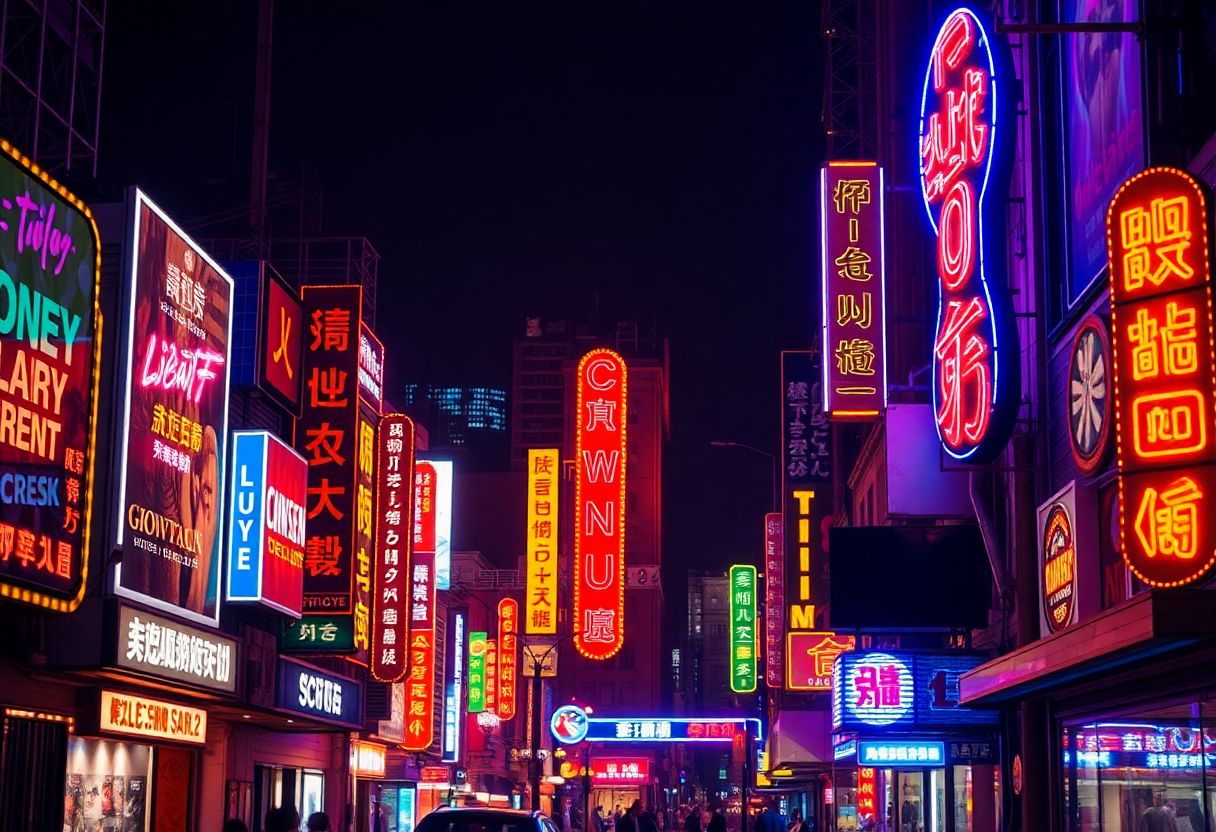
The Illuminating World of Neon Lamps: From Quantum Physics to Urban Art
In the bustling heart of any major city, as night falls, a mesmerizing spectacle unfolds. Streets come alive with a vibrant glow, painting the urban landscape in a palette of vivid hues. This is the captivating world of neon lamps – a fusion of scientific ingenuity and artistic expression that has been captivating our imagination for over a century. But what lies behind this dazzling display? Let's embark on a journey through the fascinating realm of neon lamps, exploring their inner workings, historical significance, and enduring appeal in our modern world.
The Science Behind the Glow: Atomic Dance of Light
At the heart of every neon lamp lies a remarkable interplay between atoms, electrons, and light. To truly appreciate the magic of neon, we must first delve into the fundamental principles of atomic physics.
Atoms: Nature's Light Switches
Atoms, the building blocks of matter, are like nature's own light switches. Each atom consists of a nucleus surrounded by electrons orbiting in specific energy levels. When an atom absorbs energy, its electrons become "excited" and jump to higher energy states. However, this excited state is unstable, and electrons quickly return to their original energy level, releasing the absorbed energy in the form of light particles called photons.
This process, known as atomic emission, is the key mechanism behind the characteristic glow of neon lamps. It's as if millions of tiny light bulbs are rapidly turning on and off, creating a continuous stream of light.
The Quantum Leap: Energy Levels and Emission Spectra
To understand why neon produces its distinctive red-orange glow, we need to venture into the realm of quantum mechanics. According to quantum theory, electrons in atoms can only occupy specific, discrete energy levels – imagine them as rungs on a ladder.
When an electron transitions from a higher energy level to a lower one, it emits a photon with energy equal to the difference between these levels. The energy of the photon determines its wavelength and, consequently, the color of light we perceive.
What makes neon special is its unique atomic structure and energy level configuration. When excited, neon atoms emit photons primarily in the red-orange part of the visible spectrum, giving neon its characteristic warm glow. This specific emission pattern is like a fingerprint, unique to neon, which is why pure neon always produces the same color.
The Anatomy of a Neon Lamp: A Closer Look
Now that we understand the atomic basis of neon light, let's examine how a neon lamp harnesses this phenomenon to create its captivating glow.
The Glass Tube: A Vessel for Light
A typical neon lamp consists of a sealed glass tube filled with neon gas at low pressure, typically around 1/100th of atmospheric pressure. This low pressure is crucial for the lamp's operation, as it allows electrons to move freely without frequent collisions with gas atoms.
Electrodes: The Spark of Life
At each end of the tube are electrodes – typically made of cold-cathode metal. These electrodes serve as the entry and exit points for the electric current that powers the lamp.
The Power Source: Voltage Matters
Neon lamps require a high voltage to operate, typically in the range of 2,000 to 15,000 volts, depending on the tube's length and gas composition. This high voltage is necessary to initiate and sustain the ionization process within the tube.
How Neon Lamps Work: A Step-by-Step Illumination
The process by which a neon lamp produces light is a fascinating cascade of events that occurs in microseconds:
-
Ionization: When the high voltage is applied across the electrodes, it creates a strong electric field within the tube. This field causes some neon atoms to lose electrons, becoming positively charged ions.
-
Electron Acceleration: The freed electrons are accelerated towards the positive electrode (anode) by the electric field. As they gain energy, they become capable of exciting or ionizing other neon atoms they encounter.
-
Collisions and Excitation: The accelerated electrons collide with neutral neon atoms, transferring energy and exciting them to higher energy states.
-
Light Emission: The excited neon atoms quickly return to their ground state, emitting photons in the process. For neon, these photons primarily fall in the red-orange part of the spectrum.
-
Cascade Effect: As more atoms become excited and emit light, they create a self-sustaining process. Ions returning to the cathode can cause the emission of more electrons, while the emission of UV photons can cause photoionization of other atoms.
-
Continuous Glow: This process occurs millions of times per second, creating a constant, vibrant glow that we perceive as steady light.
This intricate dance of particles occurs at a microscopic level, yet results in the mesmerizing macroscopic display we associate with neon lights.
Beyond Red: The Colorful World of Gas Discharge Lamps
While pure neon produces its iconic red-orange glow, the term "neon light" has become a catch-all phrase for a variety of gas discharge lamps using different noble gases or mixtures:
- Argon: Produces a soft blue glow
- Helium: Creates a pale yellow-orange light
- Krypton: Gives off a whitish-violet hue
- Xenon: Emits a bluish-white light
By combining these gases in various proportions and adding small amounts of mercury vapor, skilled craftsmen can create over 150 different colors. Additionally, the inner surface of the glass tubes can be coated with fluorescent phosphors, further expanding the color palette.
This versatility has made neon-style lighting a favorite among artists and designers, allowing for an incredible range of creative expression.
The Cold Cathode Advantage: Efficiency and Longevity
Neon lamps are classified as "cold cathode" devices, which offers several advantages over "hot cathode" alternatives like traditional fluorescent tubes:
- Instant Start: Cold cathode lamps require no warm-up time, illuminating instantly when powered on.
- Longevity: Without a heated filament to burn out, cold cathode lamps can last for decades with proper care.
- Energy Efficiency: They consume less power compared to hot cathode devices, making them more environmentally friendly.
- Durability: The lack of a fragile filament makes cold cathode lamps more resistant to vibration and shock.
These characteristics have contributed to the enduring popularity of neon lamps in signage and decorative lighting applications.
From Discovery to Iconic Status: The History of Neon
The story of neon lamps is a testament to human curiosity and ingenuity, spanning over a century of scientific and artistic development.
The Discovery of Neon
In 1898, Sir William Ramsay and Morris Travers discovered neon as part of their groundbreaking work on noble gases. They named it "neon" from the Greek word "neos," meaning "new." Little did they know that this new element would go on to revolutionize lighting and advertising.
Georges Claude: Father of the Neon Lamp
The true birth of the neon lamp as we know it came in 1910, when French engineer Georges Claude demonstrated the first neon lamp at the Paris Motor Show. Claude had developed a method to isolate neon in large quantities and recognized its potential for lighting.
The Neon Boom
By the 1920s, neon signs had made their way to the United States, with the first American neon advertisement appearing in Los Angeles in 1923. The vibrant, eye-catching nature of neon quickly made it a favorite for businesses looking to stand out in the growing urban landscape.
Cultural Icon
Throughout the 20th century, neon became synonymous with urban nightlife, featuring prominently in cityscapes from Times Square to the Las Vegas Strip. It became an integral part of the visual language of film noir, art deco, and later, cyberpunk aesthetics.
The Art and Craft of Neon: Where Science Meets Creativity
Creating a neon sign is a unique blend of scientific knowledge and artistic skill, requiring expertise in glassblowing, high-voltage electronics, and gas dynamics.
The Neon Artist's Process
-
Design: The process begins with a design, often created in collaboration between the artist and the client.
-
Glassblowing: Skilled artisans heat and bend glass tubes to match the design. This requires precise control of temperature and timing to achieve smooth, even bends.
-
Electrode Mounting: Electrodes are carefully sealed into the ends of the tube, ensuring an airtight fit.
-
Evacuation and Gas Filling: The tube is connected to a vacuum pump to remove all air, then filled with the chosen gas or gas mixture to a precise pressure.
-
Bombardment: The tube undergoes a process called bombardment, where a high current is passed through it to clean the inner surfaces and electrodes.
-
Aging: The completed lamp is "aged" by operating it for several hours to stabilize its performance.
-
Installation: Finally, the lamp is mounted and connected to a suitable power supply.
This labor-intensive process results in each neon sign being a unique piece of functional art, blending the precision of science with the creativity of the artist.
Neon in the Modern World: Challenges and Innovations
As we progress into the 21st century, neon faces both challenges and opportunities in a changing technological landscape.
Competition from LEDs
Light Emitting Diodes (LEDs) have emerged as a strong competitor to neon in signage and decorative lighting. LEDs offer advantages in energy efficiency, durability, and programmability. However, many argue that LEDs lack the warmth and character of true neon light.
Environmental Considerations
As society becomes more environmentally conscious, the impact of neon production and use is under scrutiny. While neon lamps are relatively energy-efficient and long-lasting, their production process can be energy-intensive. However, unlike fluorescent lamps, neon tubes contain no toxic mercury, making them safer to dispose of.
Artistic Renaissance
Despite competition from newer technologies, neon is experiencing a renaissance in the art world. Contemporary artists are embracing neon as a medium, creating stunning installations that blend traditional craftsmanship with modern aesthetics.
Hybrid Technologies
Innovative designers are finding ways to combine neon with modern technologies, creating hybrid displays that leverage the strengths of both neon and LED lighting.
The Future of Neon: Glowing Prospects
As we look to the future, neon lighting continues to evolve and find new applications:
Advanced Manufacturing
Research into new manufacturing techniques may make neon production more efficient and environmentally friendly. 3D printing technology, for instance, could revolutionize the way neon tubes are shaped and produced.
Smart Neon
Integration with IoT (Internet of Things) technology could lead to interactive neon installations that respond to their environment or user input.
Architectural Integration
Architects and designers are finding new ways to incorporate neon lighting into building designs, blending its warm glow with modern architectural elements.
Educational Tools
The visually striking nature of neon makes it an excellent tool for demonstrating principles of atomic physics and electrical engineering in educational settings.
Conclusion: The Enduring Allure of Neon
From the atomic dance of excited electrons to the skilled hands of neon artisans, neon lamps represent a fascinating intersection of science, technology, and art. Their distinctive glow has become an indelible part of our urban visual culture, evoking feelings of nostalgia, excitement, and wonder.
As we've explored, the science behind neon lighting is as captivating as its visual appeal. It stands as a testament to our ability to harness the fundamental properties of matter to create both practical tools and stunning works of art.
While new technologies may challenge its dominance in some areas, the unique properties of neon ensure its continued relevance. Whether lighting up a bustling cityscape, adding a retro touch to a diner, or pushing the boundaries of contemporary art, neon remains a brilliant example of how scientific principles can be transformed into objects of beauty and cultural significance.
The next time you find yourself bathed in the warm glow of a neon sign, take a moment to appreciate the complex interplay of physics, craftsmanship, and artistry that brings it to life. In that radiant tube, you're witnessing a dazzling demonstration of quantum physics, played out in vivid color before your eyes – a reminder of the magic that occurs when human ingenuity meets the wonders of the natural world.