The Magic of Microwave Ovens: Unveiling the Science Behind Quick and Convenient Cooking
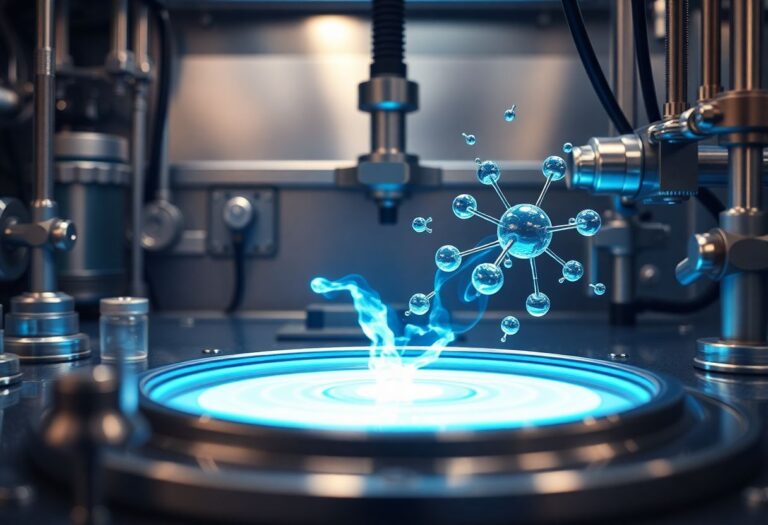
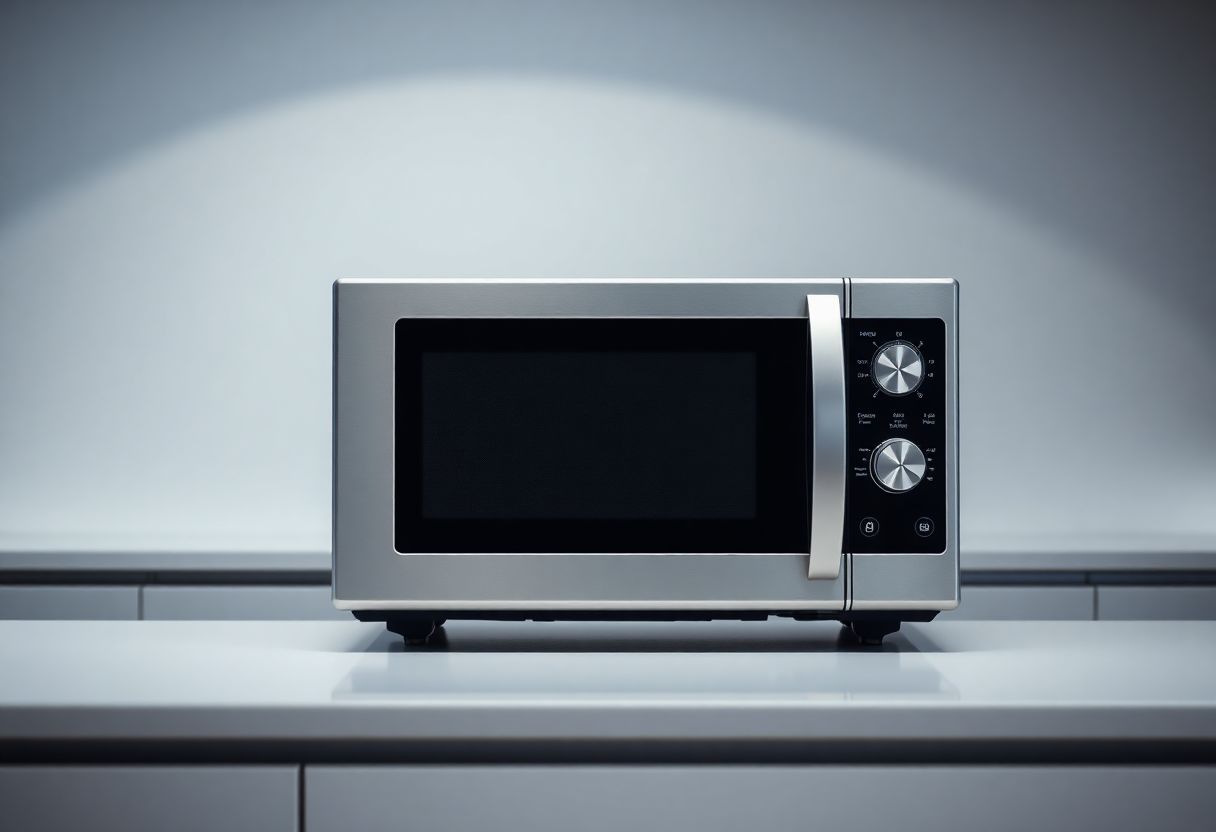
Have you ever marveled at how a microwave oven can transform a cold leftover into a piping hot meal in mere minutes? These kitchen marvels have revolutionized the way we prepare food, offering unparalleled speed and convenience. But what's the science behind this culinary wizardry? In this article, we'll dive deep into the fascinating world of microwave ovens, exploring how they use electromagnetic waves to rapidly heat our food. Get ready for a journey through the realms of physics, chemistry, and cutting-edge technology that will forever change the way you look at that humble appliance in your kitchen.
The Basics: What Is a Microwave Oven?
At its core, a microwave oven is an appliance that harnesses electromagnetic waves called microwaves to heat food quickly and efficiently. Unlike conventional ovens that heat food from the outside in, microwave ovens work by exciting the molecules within the food itself, causing them to vibrate and generate heat from within.
Key Components of a Microwave Oven
To understand how a microwave oven works, it's essential to familiarize ourselves with its main components:
-
Magnetron: This is the heart of the microwave oven, responsible for generating the microwaves that cook your food. It converts electrical energy into microwave radiation.
-
Waveguide: A metal channel that directs the microwaves from the magnetron into the cooking cavity.
-
Cooking Cavity: The metal box where you place your food. Its walls are designed to reflect microwaves, ensuring they interact with the food.
-
Turntable: A rotating plate that ensures even cooking by moving the food through the microwave field.
-
Control Panel: Allows users to set cooking time, power levels, and other functions.
The Science Behind Microwave Cooking: How Microwaves Heat Food
To truly appreciate the genius of microwave ovens, we need to delve into the physics of how they heat food. It all starts with understanding what microwaves are and how they interact with matter.
What Are Microwaves?
Microwaves are a form of electromagnetic radiation, part of the same family as visible light, radio waves, and X-rays. They occupy a specific part of the electromagnetic spectrum, with wavelengths ranging from about 1 millimeter to 1 meter. In microwave ovens, the waves typically have a wavelength of about 12.2 centimeters (4.8 inches) and a frequency of 2.45 gigahertz (GHz).
The Heating Process: A Molecular Dance
The process of heating food in a microwave oven is a fascinating interplay between electromagnetic waves and the molecules in your food. Here's a step-by-step breakdown of what happens:
-
Generation: The magnetron converts electrical energy into microwave radiation.
-
Propagation: These microwaves are directed into the cooking cavity through the waveguide.
-
Interaction: As the microwaves enter the cavity, they interact with the food, particularly with water, fat, and sugar molecules.
-
Molecular Excitement: The microwaves cause these molecules to rotate rapidly, sometimes up to 2.5 billion times per second. This rapid rotation creates friction between the molecules.
-
Heat Production: The friction between molecules generates heat, which then spreads throughout the food.
-
Heat Distribution: The turntable rotates to ensure that the food passes through different parts of the microwave field, promoting even heating.
It's important to note that microwaves don't directly heat the food through some mysterious radiation. Instead, they cause the molecules within the food to move, and it's this movement that generates heat.
Debunking the Myth: Do Microwaves Cook from the Inside Out?
A common misconception about microwave ovens is that they cook food "from the inside out." While this isn't entirely accurate, it's easy to see why this myth persists.
Microwaves can indeed penetrate food more deeply than conventional heat sources. They typically penetrate to a depth of about 1-1.5 inches (2.5-3.8 cm) in most foods. This can sometimes lead to situations where the center of a food item becomes extremely hot while the outside remains cool, such as with a jelly-filled donut.
However, for larger items, the center is often heated by conduction from the outer layers, similar to conventional cooking methods. The heating pattern in microwave ovens is more complex and depends on factors such as the food's composition, shape, and size.
The Birth of a Kitchen Revolution: A Brief History of Microwave Ovens
The invention of the microwave oven is a classic tale of accidental discovery and innovative thinking, showcasing how scientific curiosity can lead to world-changing inventions.
Percy Spencer: The Man Behind the Microwave
In 1945, Percy Spencer, an engineer at Raytheon Corporation, was working on radar technology using magnetrons when he made a serendipitous discovery. Spencer noticed that a chocolate bar in his pocket had melted while he was standing near an active radar set. Intrigued by this phenomenon, he decided to experiment further.
Spencer placed popcorn kernels near the magnetron, and to his amazement, the kernels began to pop. This moment of curiosity led to one of the most significant kitchen innovations of the 20th century.
Recognizing the potential of this discovery, Spencer and his team at Raytheon began working on developing a cooking appliance based on this principle. Their efforts culminated in the first microwave oven, patented in 1945.
Evolution of Microwave Ovens: From Industrial Giants to Kitchen Staples
The journey of the microwave oven from a laboratory curiosity to a household staple is a testament to technological progress and changing consumer needs:
-
1947: Raytheon introduces the first commercial microwave oven, the "Radarange." This behemoth stood nearly 6 feet tall, weighed 750 pounds, and cost about $5,000 (equivalent to around $58,000 in 2021).
-
1967: Amana, a division of Raytheon, introduces the first countertop microwave oven. This more compact and affordable model made the technology accessible to home kitchens for the first time.
-
1970s: Microwave ovens begin to gain popularity in American households. Prices start to decrease as production scales up.
-
1980s-1990s: Microwave ovens become a standard appliance in most American kitchens. Technological improvements lead to more features and better cooking performance.
-
2000s-present: Continued improvements in size, efficiency, and features. Integration of smart technology and combination cooking methods (like convection microwaves) further enhance the capabilities of these appliances.
The Physics of Flavor: How Microwaves Interact with Different Foods
The effectiveness of microwave cooking varies significantly depending on the composition of the food being heated. Understanding these interactions can help us use our microwave ovens more effectively and explain why some foods heat more quickly or evenly than others.
Water Content: The Key to Quick Heating
Water plays a crucial role in microwave cooking due to its molecular structure. Water molecules are dipoles, meaning they have a positive charge on one end and a negative charge on the other. This makes them particularly susceptible to the alternating electric field of microwaves.
Foods with high water content, such as vegetables, fruits, and soups, tend to heat up quickly and evenly in a microwave oven. The water molecules in these foods readily absorb microwave energy, vibrate, and generate heat.
On the other hand, dry foods like crackers or certain types of bread heat more slowly and may not warm evenly. This is because they lack the water molecules that efficiently absorb microwave energy.
Fats and Sugars: Potential Hotspots
Fats and sugars can become extremely hot in microwaves, sometimes reaching temperatures higher than boiling water. This is why microwaved syrup or jam can cause severe burns if not handled carefully.
The reason for this lies in the molecular structure of fats and sugars. Like water, these molecules are good at absorbing microwave energy, but they can heat up to higher temperatures because they have a higher boiling point than water.
Density and Size: The Importance of Uniform Pieces
The density and size of food items significantly affect how they cook in a microwave oven. Dense foods, like meats, may cook unevenly if not cut into smaller, uniform pieces. This is because microwaves have limited penetration depth, and the center of a large, dense piece of food may not receive enough energy to cook thoroughly.
Large items generally require longer cooking times and may benefit from periodic stirring or rotation to ensure even heating. This is why many microwave recipes call for stirring or letting food stand for a few minutes after cooking, allowing the heat to distribute more evenly throughout the dish.
Safety First: The Role of Microwave-Safe Containers
Not all containers are suitable for use in microwave ovens, and using the wrong type of container can lead to safety hazards or affect the quality of your food. Understanding which materials are safe is crucial for both effective cooking and safety.
Safe Materials for Microwave Use
-
Glass: Most glass products are microwave safe, especially those labeled as such. Glass is an excellent choice as it doesn't absorb microwave energy and allows you to see the food as it cooks.
-
Ceramic: Most ceramic dishes are microwave safe, but be cautious with antique or hand-painted ceramics, as they may contain metal that can cause arcing.
-
Microwave-safe plastic: Look for containers specifically labeled as microwave-safe. These plastics are designed to withstand the heat generated during microwave cooking without melting or leaching chemicals into your food.
-
Paper towels and wax paper: These are generally safe for use in microwaves, especially for covering foods to prevent splattering.
Materials to Avoid in Microwave Ovens
-
Metal: Never put metal objects in a microwave oven. Metal reflects microwaves, which can cause arcing (sparking) and potentially damage your oven or start a fire.
-
Non-microwave-safe plastics: These can melt or leach chemicals into your food when exposed to high temperatures.
-
Styrofoam: Unless specifically labeled as microwave-safe, Styrofoam can melt and potentially contaminate your food.
-
Aluminum foil: While small amounts can be used to shield certain parts of a dish from overcooking, it's generally best to avoid using aluminum foil in microwaves due to the risk of arcing.
Mastering Microwave Cooking: Techniques for Better Results
To get the most out of your microwave oven and achieve the best cooking results, consider these techniques:
-
Arrange food evenly: Spread food out in a circular pattern for more even heating. This helps ensure that all parts of the dish receive similar exposure to the microwaves.
-
Cover dishes: Using a microwave-safe lid or plastic wrap (with a few holes for venting) traps steam and helps cook food more evenly. It also prevents splattering and keeps your microwave clean.
-
Stir and rotate: For larger dishes or liquids, stir or rotate halfway through cooking. This helps distribute heat more evenly and eliminates cold spots.
-
Let food stand: Allow food to sit for a few minutes after cooking. This resting period allows the heat to distribute evenly throughout the dish, improving overall quality and safety.
-
Use microwave-safe containers: Always use appropriate cookware for safety and optimal results. The right container can make a significant difference in how your food cooks.
-
Adjust power levels: Many microwave ovens allow you to adjust the power level. Lower power settings can be useful for more delicate foods or for defrosting.
-
Know your wattage: Microwave ovens come in different power ratings, typically ranging from 600 to 1200 watts. Be aware of your microwave's wattage and adjust cooking times accordingly.
Energy Efficiency: Microwaves vs. Conventional Ovens
One of the key advantages of microwave ovens is their energy efficiency. In general, microwave ovens are more energy-efficient than conventional ovens for several reasons:
-
Direct heating: Microwaves heat only the food, not the surrounding air or the cooking container. This means less energy is wasted on heating the oven itself.
-
Shorter cooking times: Because microwaves heat food directly, cooking times are significantly shorter than with conventional ovens. This translates to less energy use overall.
-
No preheating: Unlike conventional ovens, microwave ovens don't require preheating, saving both time and energy.
However, it's important to note that the efficiency of microwave ovens can vary depending on the task:
- For small portions or liquids, microwaves are highly efficient.
- For larger meals or when cooking multiple items, conventional ovens may be more efficient.
According to the U.S. Department of Energy, microwave ovens use about 80% less energy when reheating food compared to conventional ovens. For a typical household, this can result in significant energy savings over time.
Safety Considerations: Using Your Microwave Oven Responsibly
While microwave ovens are generally safe when used properly, there are some important safety considerations to keep in mind:
-
Avoid metal: Never put metal objects in a microwave oven. This includes aluminum foil, metal utensils, and dishes with metallic trim.
-
Check for damage: Don't use a microwave if the door is damaged or doesn't close properly. A damaged door can allow microwave radiation to leak out.
-
Use appropriate containers: Always use microwave-safe containers. Avoid materials that can melt, warp, or leach chemicals into your food.
-
Be cautious of steam: When removing covers or plastic wrap from heated dishes, be careful of escaping steam to avoid burns.
-
Avoid superheating: Liquids can sometimes become superheated in a microwave without showing signs of boiling. This can lead to sudden boiling when the container is moved or something is added to the liquid. To avoid this, don't overheat liquids and let them stand for a minute before handling.
-
Cook food thoroughly: Use a food thermometer to ensure that food, especially meat and poultry, is cooked to safe temperatures.
-
Keep the oven clean: Regular cleaning prevents the buildup of food particles that can affect the oven's performance and potentially cause arcing.
Troubleshooting: Common Microwave Oven Problems and Solutions
Even the best microwave ovens can encounter issues. Here are some common problems and their potential solutions:
-
Uneven heating:
- Solution: Use a turntable, stir food halfway through cooking, or use a lower power setting for a longer time.
-
Food not heating properly:
- Solution: Check if the magnetron is functioning. If not, professional repair may be needed.
-
Sparking or arcing:
- Solution: Immediately stop the microwave. Check for and remove any metal objects or food with high mineral content (like eggs in shells).
-
Microwave running but not heating:
- Solution: This could indicate a faulty magnetron or high voltage diode. Professional repair is recommended.
-
Turntable not rotating:
- Solution: Check if the turntable is properly seated on the drive shaft. Clean any debris under the turntable.
-
Loud noises during operation:
- Solution: This could be due to a faulty magnetron, blower motor, or turntable motor. If the noise persists, seek professional repair.
-
Door not closing properly:
- Solution: Check for obstructions in the door latch. If the problem persists, the door may need to be realigned or replaced by a professional.
The Future of Microwave Technology: What's Next?
As with all technology, microwave ovens continue to evolve. Here are some exciting developments on the horizon:
-
Smart microwaves: Integration with smart home systems, allowing for voice control and remote operation through smartphone apps.
-
Improved sensors: Better detection of food doneness and automatic adjustment of cooking times and power levels for optimal results.
-
Combination technologies: Microwaves combined with conventional, convection, or even infrared heating for more versatile cooking options.
-
Enhanced energy efficiency: Further improvements in power usage and cooking efficiency to reduce energy consumption.
-
New cooking techniques: Development of specialized microwave cooking methods for gourmet results, potentially changing the perception of microwave cooking as merely for reheating or simple dishes.
-
Advanced defrosting technology: More sophisticated algorithms and sensors to improve the often-tricky process of defrosting foods without partially cooking them.
-
Sustainable materials: Development of more eco-friendly materials for microwave oven construction, aligning with growing environmental concerns.
-
Compact designs: Innovations in magnetron technology may lead to even smaller, more space-efficient microwave ovens for small kitchens or portable use.
Conclusion: The Enduring Magic of Microwave Ovens
Microwave ovens have come a long way since their accidental discovery in the 1940s. By harnessing the power of electromagnetic waves, these appliances have transformed the way we prepare food, offering speed and convenience that our ancestors could only dream of. From exciting water molecules to generate heat, to the careful design that keeps these waves safely contained, microwave ovens are a testament to human ingenuity